Using Mandarin Oil at Home: Air, Skin, Crafts, Storage
A fresh bottle of mandarin oil tends to find four jobs around the house: scenting the air, going on skin in a carrier, joining something you make, and living in a cupboard until next time. Each job has its own sensible habits, so here they are in the order you will meet them, with the maths done for you.
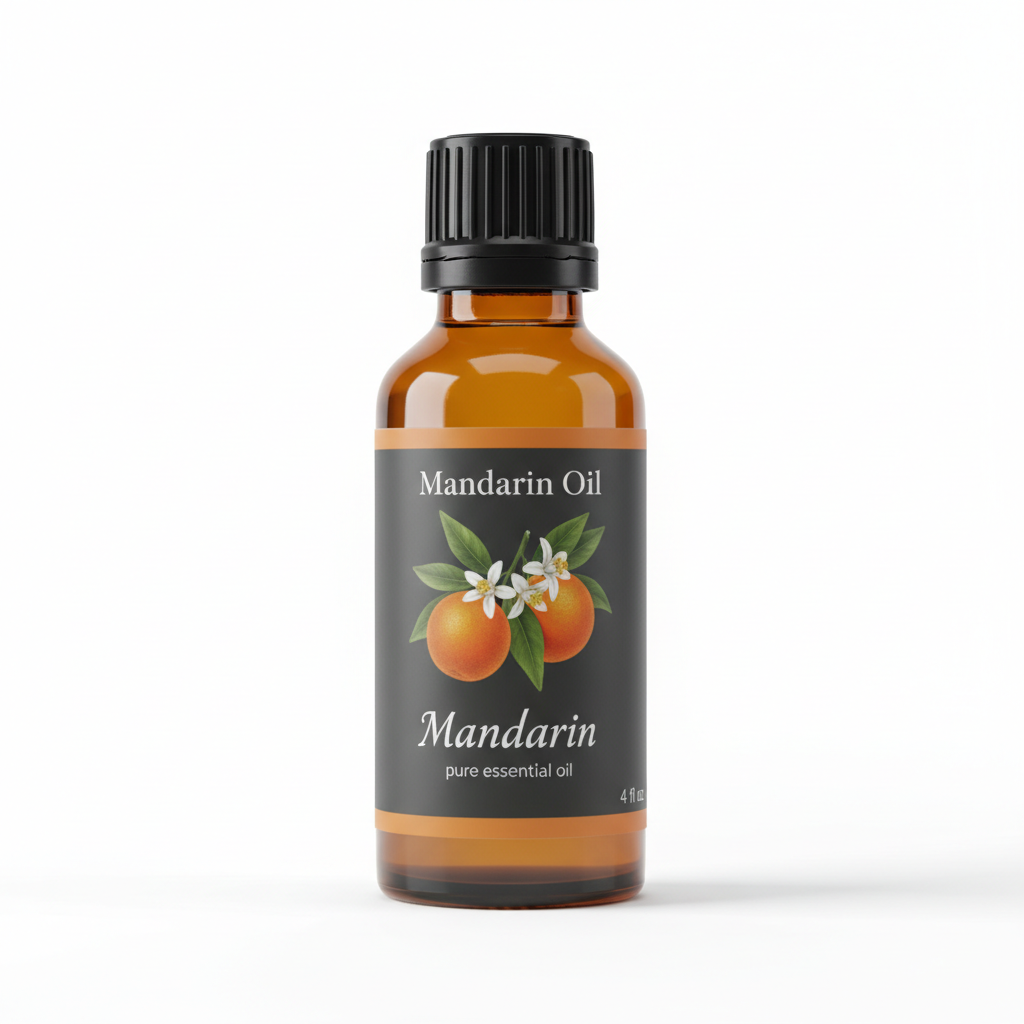
Mandarin Essential Oil
Our own Mandarin Essential Oil, in sizes from 0.5 oz to bulk.
From $12.99
Shop Now →In the air
Mandarin's sweet, mellow aroma makes it a natural for an evening diffuser,. For the how-to, Tisserand's own guidance is to use a diffuser in a well-ventilated room and keep the product and the diffuser well out of children's reach. The same page advises extra caution around pets, and for homes with cats, keeping diffusing to a minimum. If anyone in your household has asthma or a reactive airway, or you share the space with birds or a pet with breathing issues, ask a physician or veterinarian first. For a no-electricity option, try our reed diffuser.
On skin, diluted
We sell mandarin neat, so the dilution is yours to work out. Our guidance is 0.5% to 2% in a carrier oil, a patch test first, and starting at the low end if citrus oils are new to you. At about 20 drops per millilitre, that looks like this:
| Carrier | 0.5% | 1% | 2% |
|---|---|---|---|
| 10 ml roller bottle | 1 drop | 2 drops | 4 drops |
| 1 oz (29.57 ml) | 3 drops | 6 drops | 12 drops |
| 4 oz (118 ml) | 12 drops | 24 drops | 47 drops |
Check one cell yourself: 0.5% of 29.57 ml is 0.148 ml, about 3 drops. Droppers vary, so a scale is better when precision matters. The batch on our certificate has a relative density of 0.852, so a millilitre weighs a little under a gram. Carrier oils come from a grocery, pharmacy or craft supplier, and our carrier oil article helps you choose.
The patch test earns its place. In a large European study, air-oxidised limonene gave positive tests in 5.2% of 2,900 patients referred for dermatitis. That group is not the general public, but it explains why we suggest a small test patch on the forearm and stopping if you see redness, itching or swelling.
For sunshine, the Tisserand Institute says expressed mandarin has extremely small amounts of furanocoumarins and that IFRA limits bergapten to 15 ppm in leave-on citrus products. That is a general statement, and our certificate carries no furocoumarin data, so if you plan to wear a blend on skin that will see strong sun, ask us in writing for what we can provide first, and keep sunbathing and tanning beds away from any citrus-scented skin oil.
In something you make
Each project asks something different of the oil. Water-based mixes need dispersing, which our bath article explains. Candles need a close look at flash point, covered in our candle article. Perfume needs patience, because limonene is quick to evaporate, which our perfumery article explains. We sell the oil only, so carriers, wax, bases, bottles and sprayers come from a craft or supply shop.
One boundary holds for anything you label. The FDA treats an aromatherapy product as a cosmetic when it is meant only to cleanse or beautify, and as a drug when the claims are therapeutic, judged by labelling, websites and advertising. We make no medical claims for mandarin oil, and a label you write should not either.
On the shelf
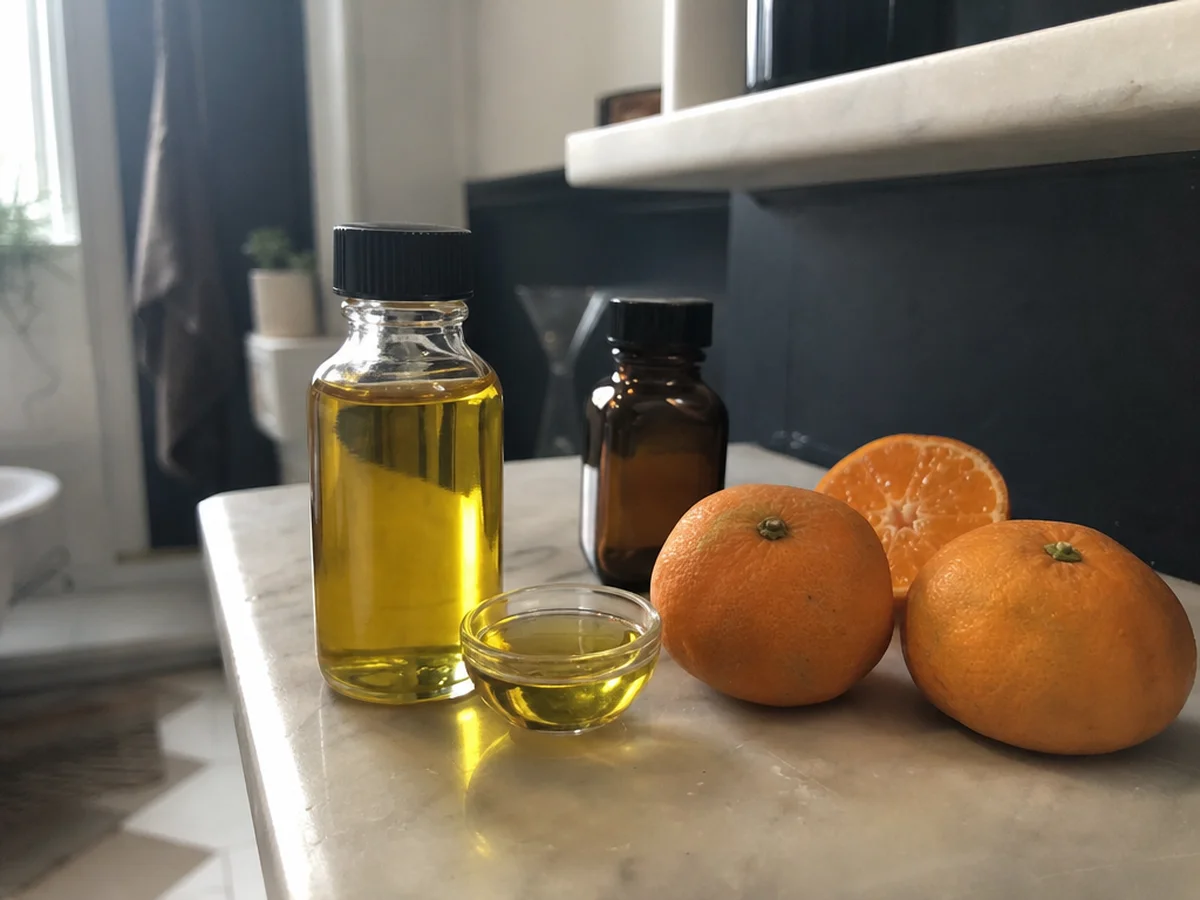
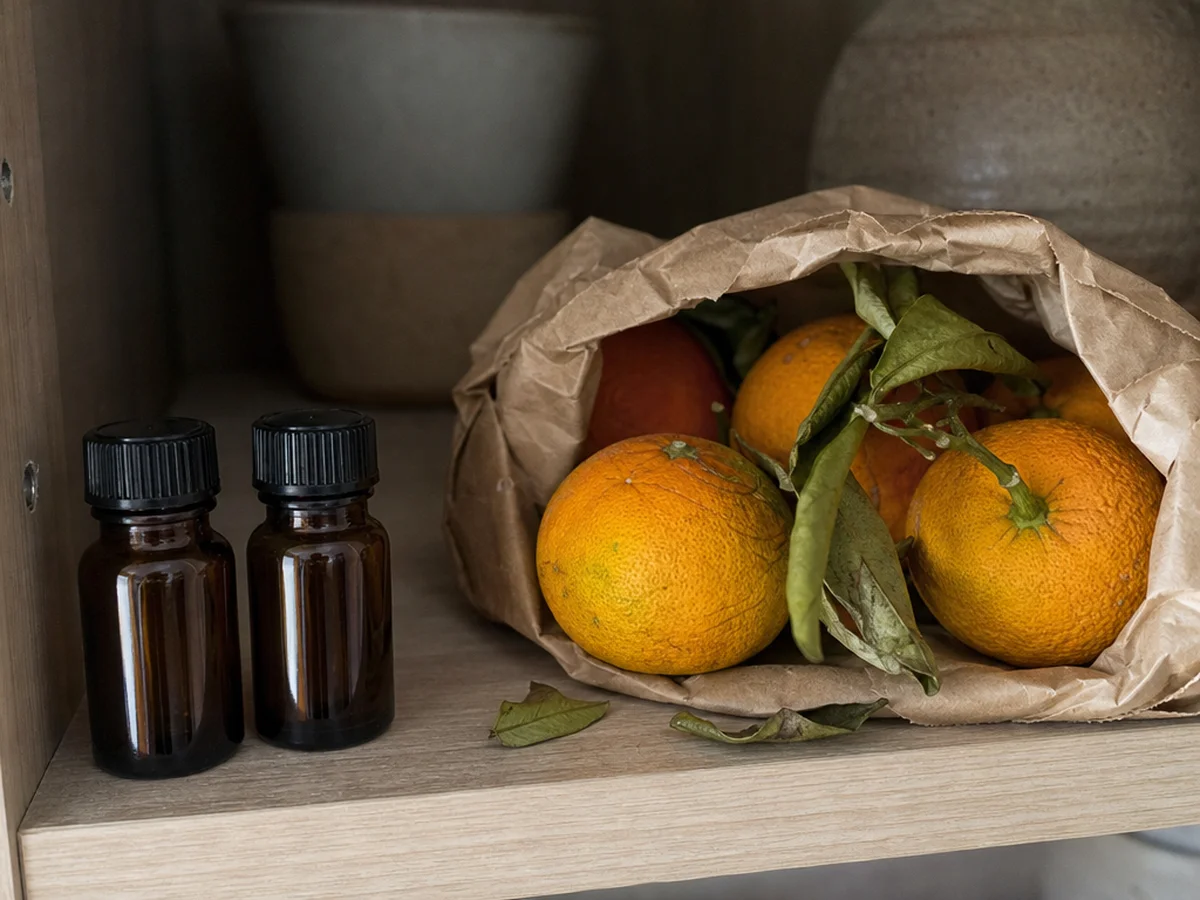
Heat, light and moisture drive oxidation, says the Tisserand Institute, and more air in the bottle makes it faster. That is why we suggest buying small, reordering often, keeping the cap tight and the bottle cool and dark. Transfer a working amount into a small bottle and reseal the big one. A date written on the label when you open it is a nice habit.
A first week with a new bottle
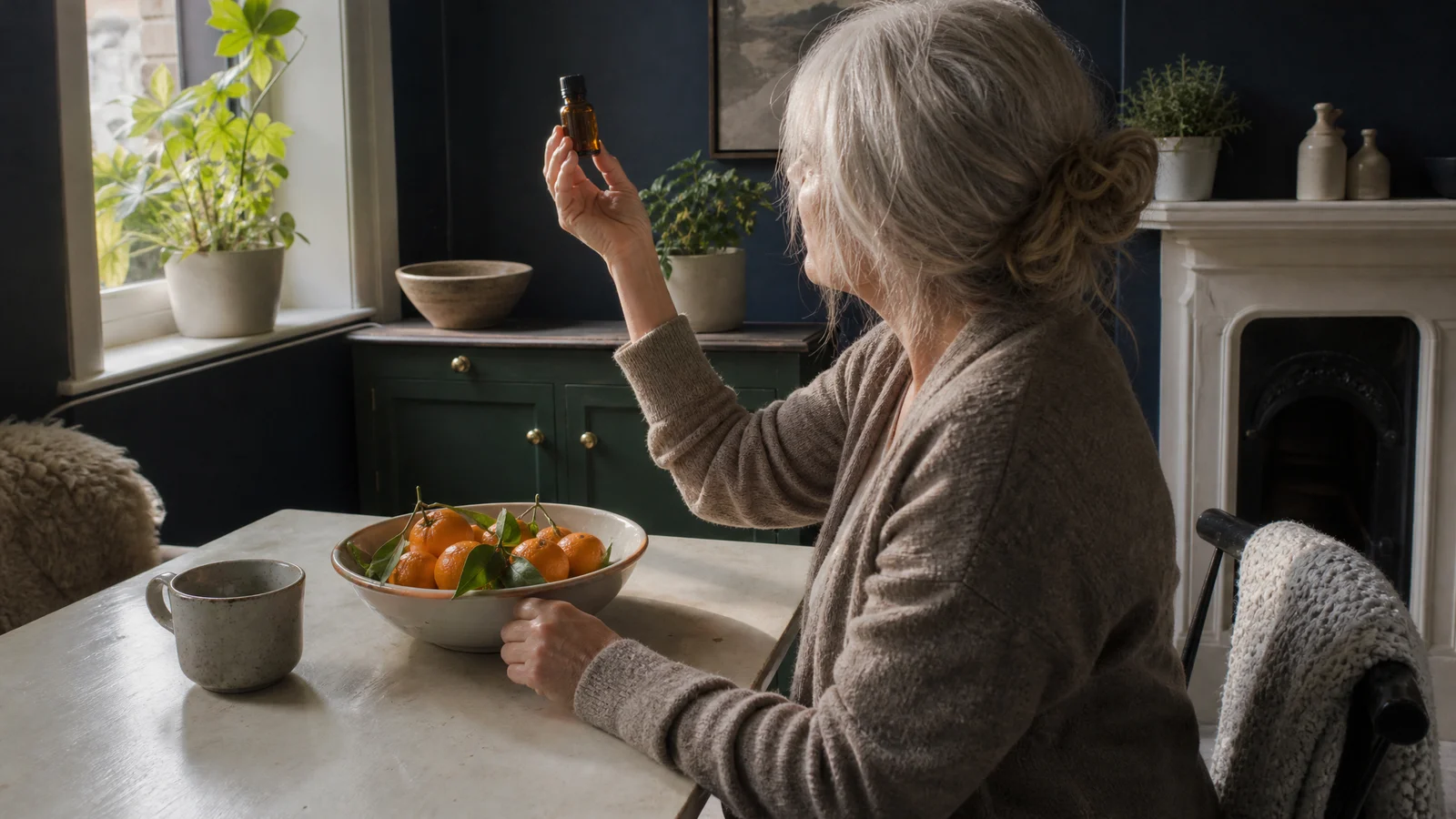
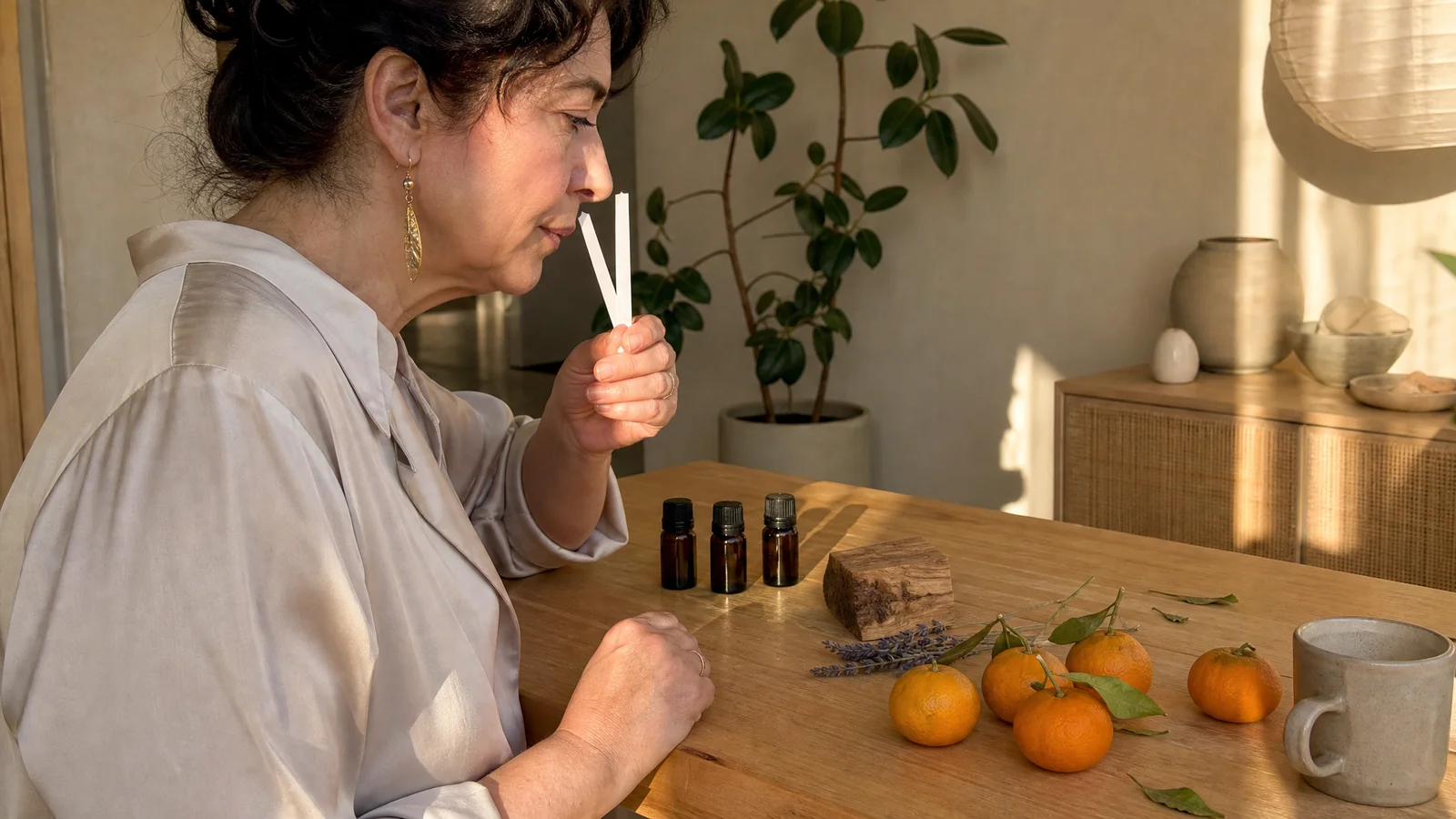
If you have just opened a bottle, here is a gentle way to get to know it. On day one, do nothing but smell it: a drop on a paper strip, and notice the sweet, mellow, juicy opening with its faint floral hum. Write the date on the label while you are at it. Over the next few days, try it in the air for a short while and see how little you need. Later, work out one small skin blend at the low end and patch test it before using it anywhere else.
Taking it slowly means you learn how strong mandarin is to your nose, and that makes every project afterwards easier to judge.
Where it lives in the house
Choose one cool, dark cupboard and keep the bottle there with the cap tight, away from the stove and the sunny window. A single home for it means it is easy to find and easy to keep fresh.
Who should skip it
Anyone with a known citrus or fragrance allergy, anyone whose test patch reacts, and anyone who finds scent triggers breathing trouble. If you are pregnant, nursing or managing a medical condition, check with your physician first. Mandarin oil is for external use only. See why we do not suggest eating it.

Keep a small notebook with the bottle if you like, with the date opened, the blends you tried and what you would change. In a few months you will have your own handbook for how mandarin behaves in your home.
Keep those four habits in mind and a single bottle of mandarin will brighten a surprising number of corners of your home.
Mandarin Essential Oil
Mandarin Essential Oil from our own shop, in sizes from 0.5 oz to bulk.
From $12.99
Shop Now →Sources & Further Reading
- Tisserand. We are here to help answer your frequently asked questions. tisserand.com
- Bråred Christensson J. and colleagues, 2013. An international multicentre study on the allergenic activity of air-oxidized R-limonene. Contact Dermatitis 68:214. Europe PMC
- Tisserand Institute. Phototoxicity: essential oils, sun and safety. tisserandinstitute.org
- Tisserand Institute. Is my bottle of essential oil oxidized or no longer good to use? tisserandinstitute.org
- US Food and Drug Administration. Aromatherapy. fda.gov