Mandarin Top Note: How It Opens a Natural Perfume
Mandarin makes a first impression and then quietly leaves the room. That is not a flaw in the oil. It is the nature of a light citrus molecule, and once you accept it, mandarin becomes one of the most useful oils in a natural perfumer's palette: the sparkle on top that makes the rest of the blend feel alive.
Mandarin Essential Oil
Our own Mandarin Essential Oil, in sizes from 0.5 oz to bulk.
From $12.99
Shop Now →What "top note" actually means
Perfumers talk about top, heart and base notes, and the idea has a measurable side. A Procter and Gamble patent on fragrance compositions defines top notes as materials with a vapor pressure above 0.1 Torr at 25 C, heart notes as those between 0.001 and 0.1, and base notes as anything below 0.001. It also describes top notes as tending to smell citrusy, green, light and fresh. Higher vapor pressure means a material escapes into the air faster, so it is the first thing you smell and the first to go.
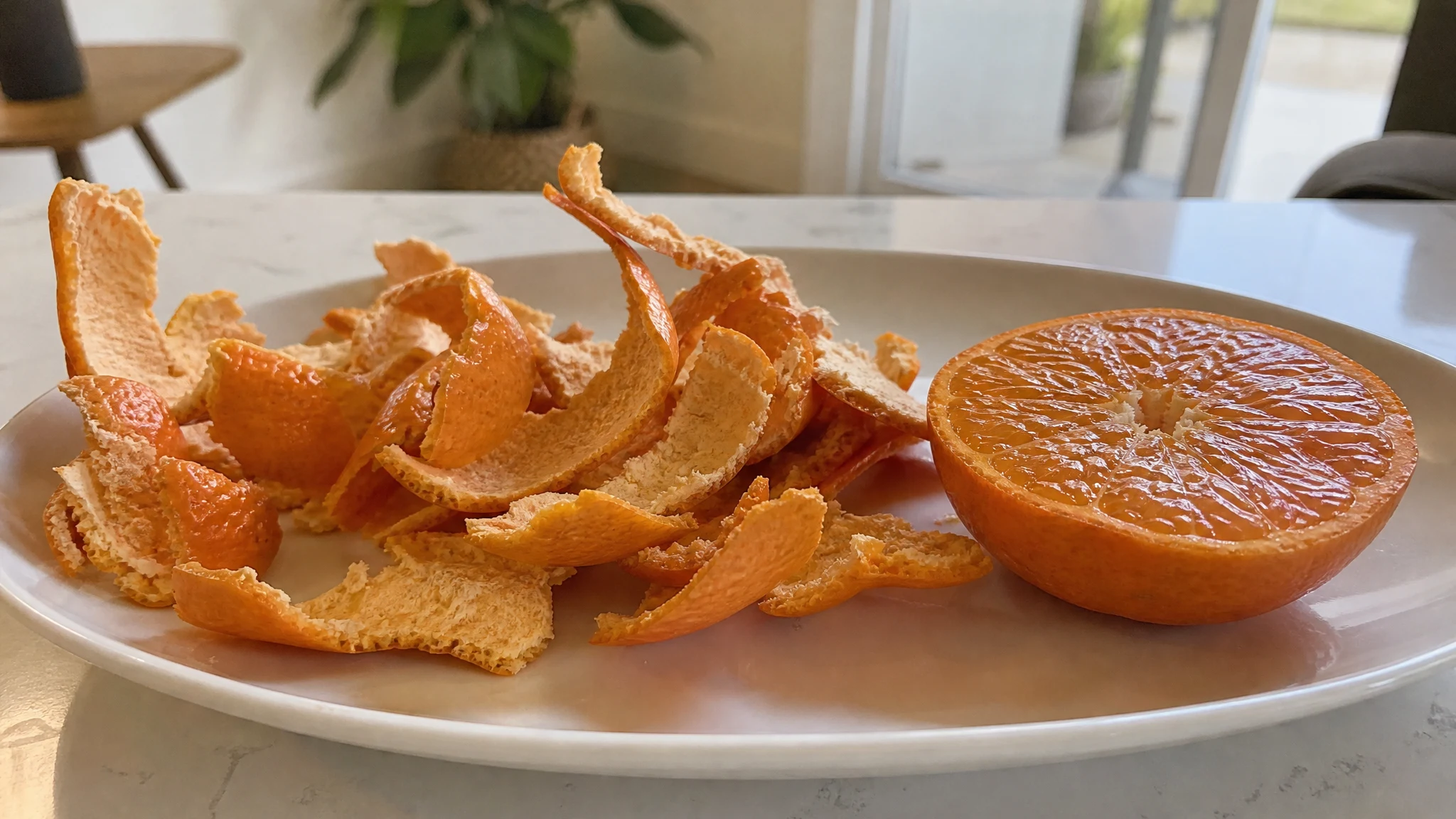
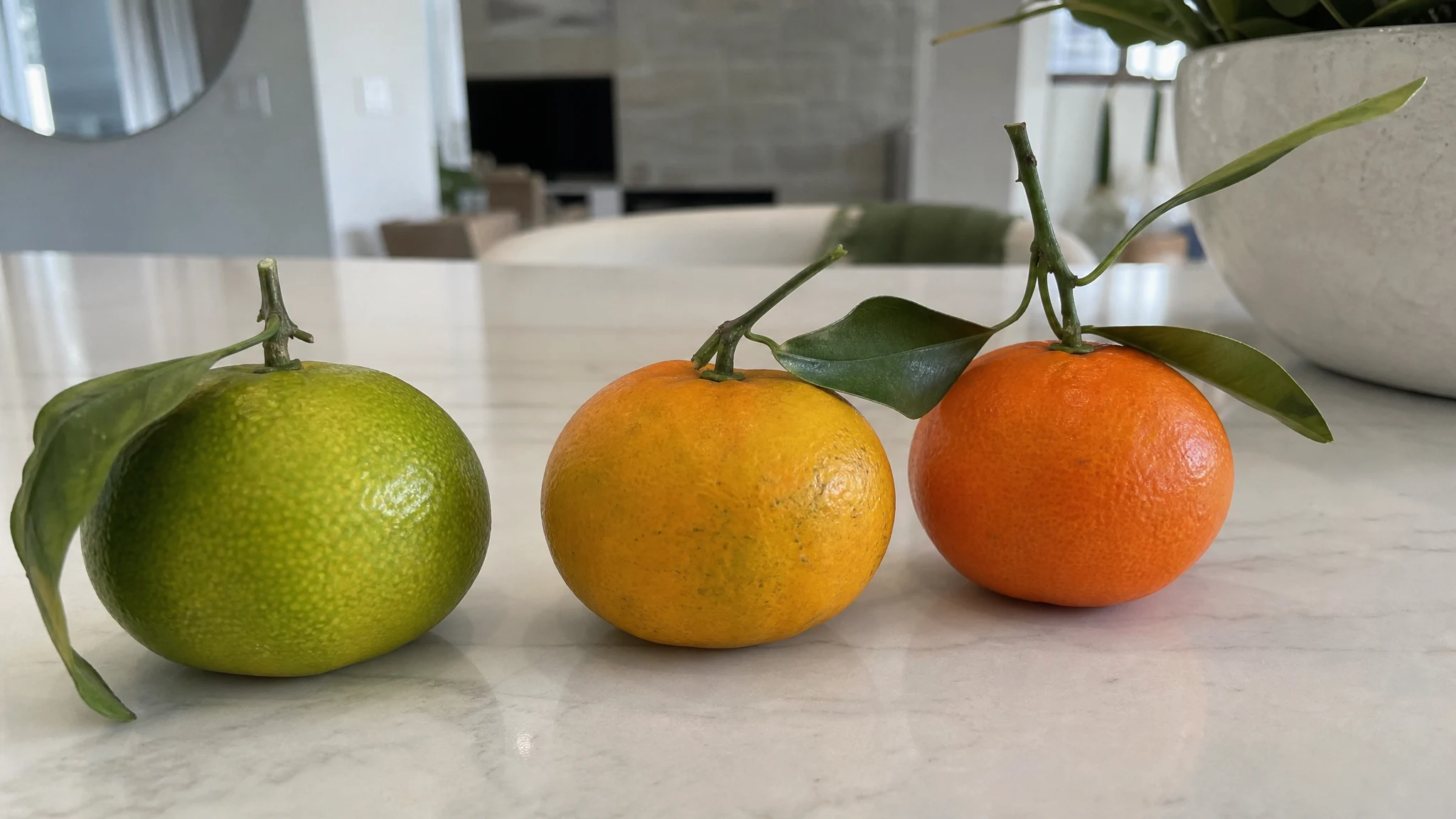
Mandarin peel oil is built on limonene. In a laboratory study of cold-pressed peel oils, limonene made up 74.93% of the Ponkan mandarin oil, with gamma-terpinene as the other major component. Those are small, mobile molecules, which is why mandarin behaves as a lift. We have no data converting that into minutes on skin, and wear time also depends on skin temperature and the other materials in the blend, so we will not invent a figure. The direction, though, is clear.
Why that is useful
The same patent notes that when base notes are reduced or left out, the fragrance weakens over time. In practice this means the heart and base give a perfume its staying power, and mandarin gives it its opening. If you remove the mandarin, the perfume still stands. If you remove the base, the mandarin has nothing to hold on to.
Three habits follow from that, and they come from reasoning, not from any batch we made:
- Decide the heart and base first. Mandarin should be the last and smallest decision in a blend.
- Give it a bridge. Floral and herbal heart materials (lavender, neroli and bergamot appear on our blending list, though we sell only the mandarin) sit between the bright top and the deep base, so the transition feels smooth.
- Enjoy the fade. A top note that departs gracefully is part of the design. How an oil base or solid balm changes the fade is worth checking on your own skin.
Smelling the arc of a blend
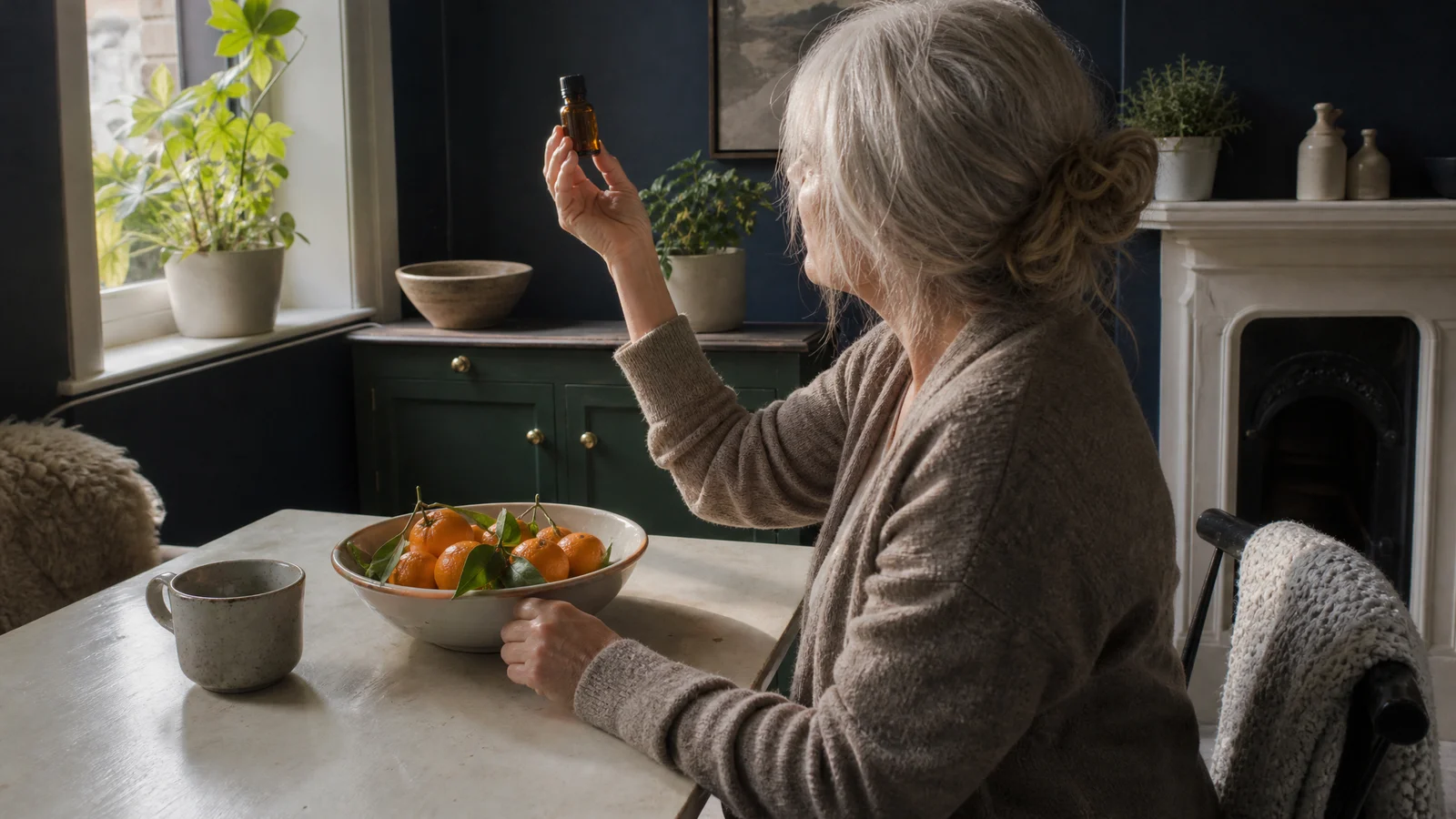
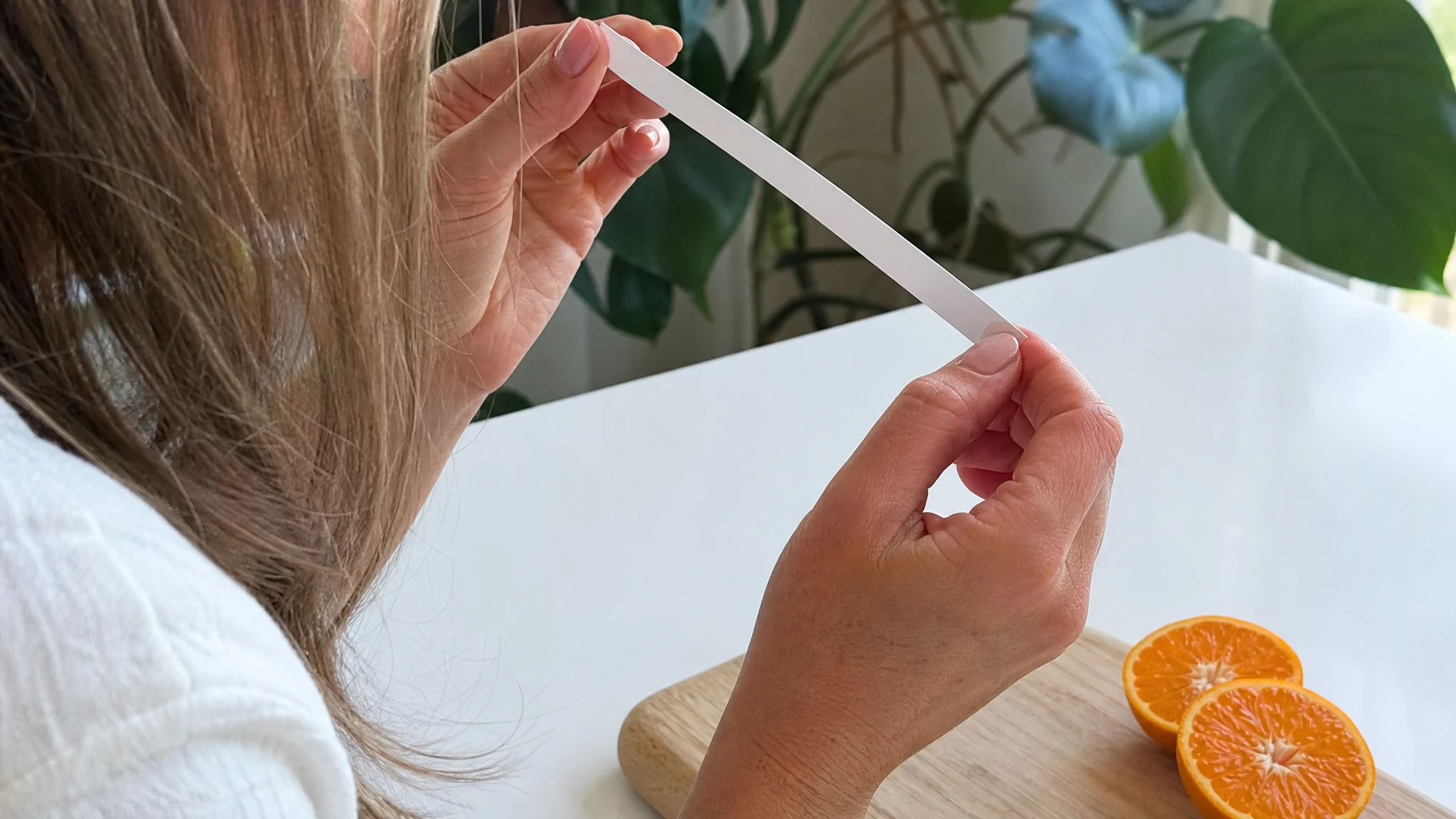
The best way to understand a top note is to follow one. Put a drop of your finished blend on a paper strip and smell it at once, then again after five minutes, then after thirty. At the start you will notice the juicy, sweet mandarin first. A little later it steps back and the heart of the blend comes forward, and by the end it is mostly the base you are smelling. Keep notes of what you notice at each stage, because that little timeline is the real recipe card for a perfume.
It also helps to rest your nose. Smelling a single strip over and over dulls the sense quickly, so step outside for fresh air or sniff the crook of your own sleeve between rounds. A tired nose is the most common reason a good blend seems to go wrong.
Keeping the proportions honest
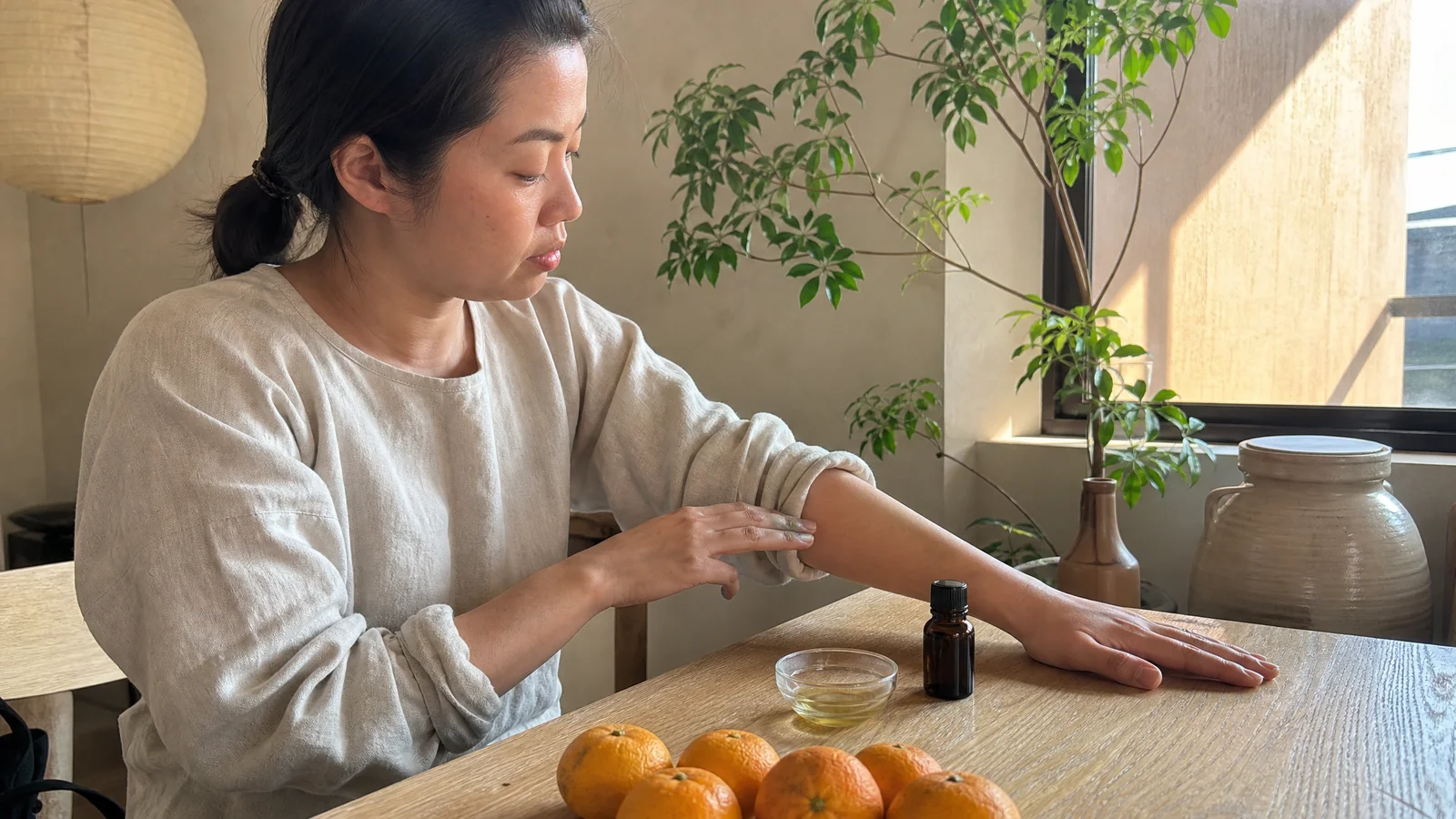
Our skin guidance is 0.5% to 2% mandarin in a carrier, roughly 3 to 12 drops per ounce, with a patch test first and the low end for anyone new to citrus oils. For a perfume, we would apply that same ceiling to the total fragrance load, so that every material stays inside it. That is our own conservative suggestion, and other oils have their own limits, so check each one with its supplier and the IFRA standards. As arithmetic, 1 oz is 29.57 ml and 12 drops at 20 per ml is 0.6 ml, which is 2%. A split of 4 drops mandarin, 5 drops heart and 3 drops base would reach that. It is an example of structure, not a tested formula. Weigh the oils for repeat batches, since droppers vary.
The carrier, the roller bottle and the other aromatics come from your perfumery or craft supplier; we sell only the mandarin. For an alcohol-based spray, follow a supplier's guidance for the alcohol grade and handle it away from flame. Our carrier oil article will help with the base.
If you plan to sell your perfume
Selling changes the paperwork. IFRA standards work by calculating each ingredient's level in your finished product, and you will need documents for every material. The certificate we publish for one batch lists density, refractive index and optical rotation, so for an allergen declaration or composition report, ask us in writing through the contact page before ordering. In the United States, the FDA says the law does not require approval before fragrance products go on the market and that fragrance ingredients can be listed simply as "Fragrance". In the EU, Regulation 2023/1545 added 56 more fragrance allergens that must be labelled individually above 0.001% in leave-on products. A cosmetic chemist or regulatory consultant is worth the fee.
For the scent itself, the scent profile and the pairing guide are good companions, and the solid balm recipe shows one way to hold onto a little more of the top.
If you are ever unsure whether a blend needs more mandarin, add less than you think, wait a day and smell again. Top notes show up loudly in the first minute, so a light hand usually reads better than a heavy one.
Think of mandarin as the opening line of a blend: brief, bright and memorable enough that people lean in for the rest.
Mandarin Essential Oil
Mandarin Essential Oil from our own shop, in sizes from 0.5 oz to bulk.
From $12.99
Shop Now →Sources & Further Reading
- US9814661B2 - Fragrance compositions (Procter and Gamble, Google Patents)
- Peel oils from three Citrus species: volatile constituents, antioxidant activities and related contributions of individual components (J Food Sci Technol, 2019)
- Fragrances in Cosmetics (US FDA)
- Fragrance allergens labelling (European Commission)