Evening Diffuser Tips for Mandarin Oil
There is a particular pleasure in the end of the day when the lamp is low and the room smells faintly of sweet citrus. Mandarin is a lovely oil for that: soft, juicy and rounded, with none of lemon's sharp edge. The scent is yours to enjoy. What follows is the practical side, so that the room is pleasant for everyone who shares it.
Mandarin Essential Oil
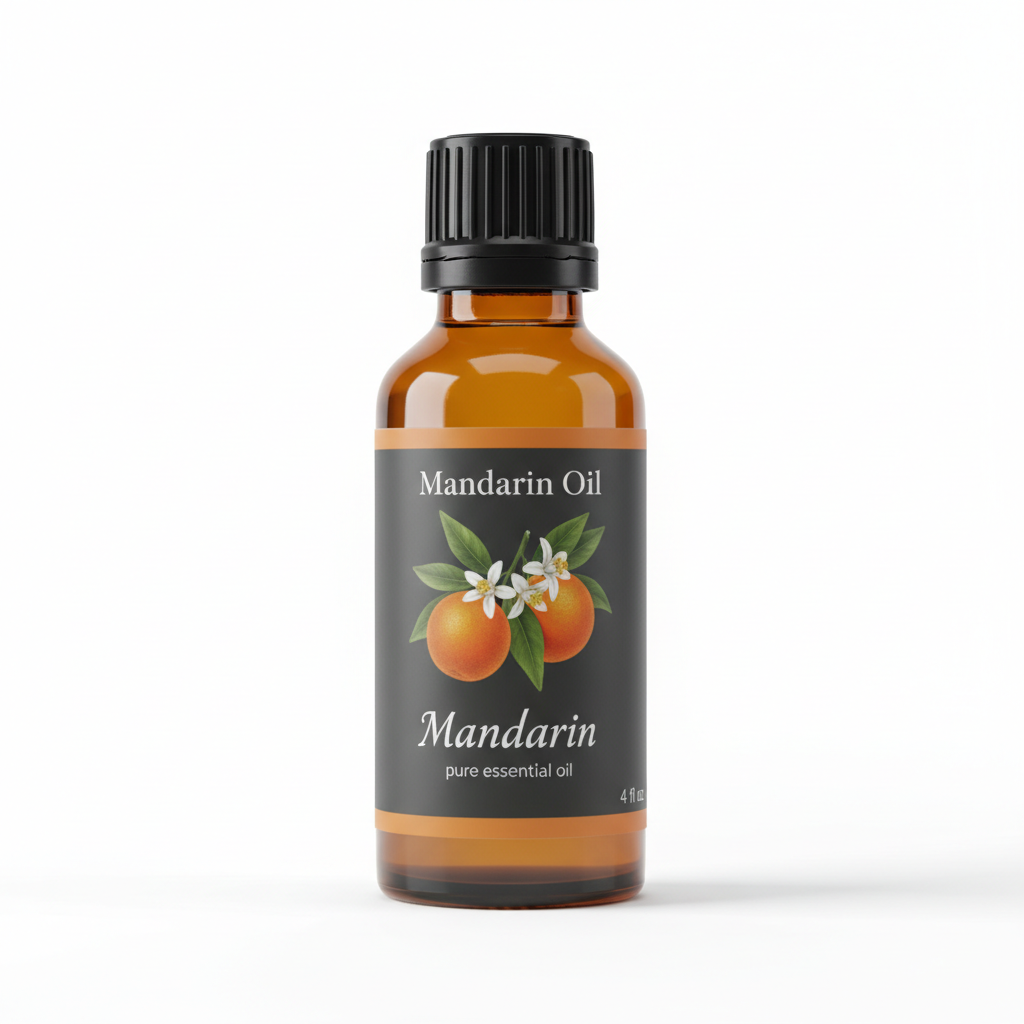
Our own Mandarin Essential Oil, in sizes from 0.5 oz to bulk.
From $12.99
Shop Now →Scent for ambience, nothing more
We offer mandarin oil for its aroma, and we make no claim that it relaxes you or helps you sleep. The FDA says how an aromatherapy product is regulated depends mainly on how it is intended to be used, and gives a scent sold to help you sleep as an example of a drug claim. So we leave that to doctors. If sleep is a worry, a physician is the right person to talk to, and the oil is simply a nice thing to smell while you get on with your evening.
Know which diffuser you own
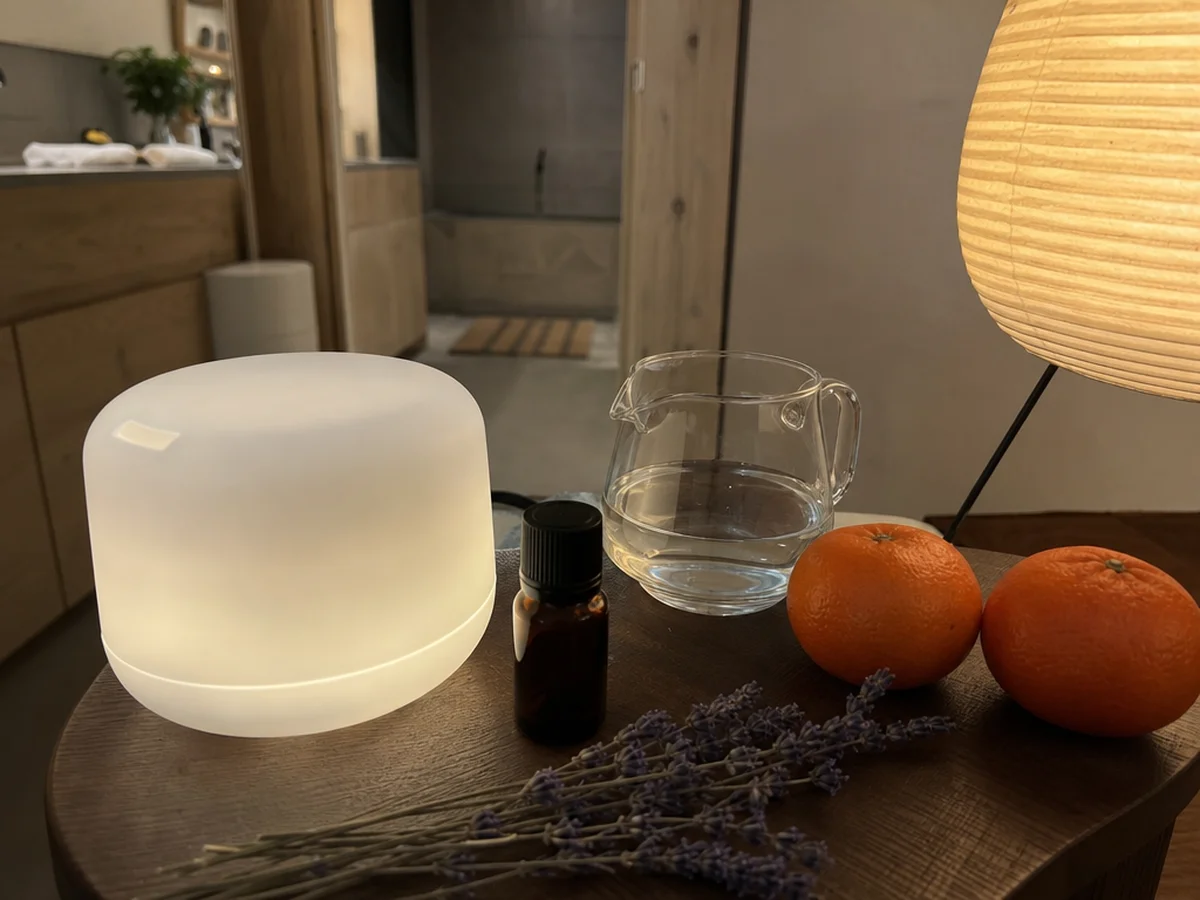
The type of machine matters more than the brand of oil. The Merck Veterinary Manual separates the types: passive diffusers such as reeds and candles do not emit actual droplets of oil, while active ones, nebulizing or ultrasonic, emit microdroplets into the air. A nebulizer therefore puts the oil itself into the room, and a reed releases vapour from a surface. For an ultrasonic or nebulizing unit, use the least oil you can smell and run it for a fixed time; our reed diffuser article covers the slower option.
How much, and for how long
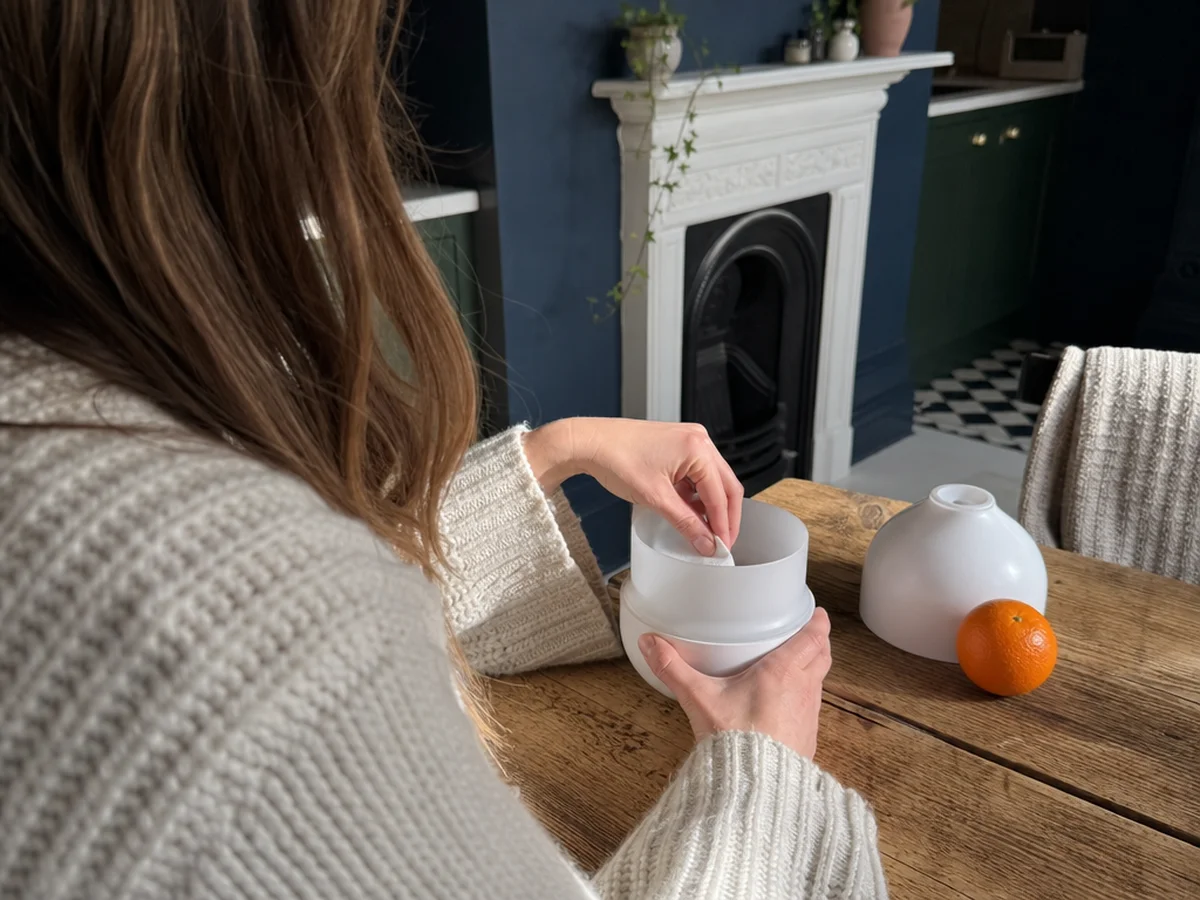
Tisserand's consumer guidance says to use a diffuser in a well-ventilated room and to keep the oil and the machine out of children's reach. It suggests 6 to 8 drops for adults, does not recommend essential oils for children under 5, and gives totals of 4 drops for ages 5 to 12 and up to 8 for 12 and over. Our shop describes the aroma as suitable for shared family spaces; for a child, that is a question for a pediatrician and not something we can settle.
Our own starting point is lower than Tisserand's figure: 2 or 3 drops in a small reservoir, run briefly, then step out and come back in. Noses adapt quickly to a scent, so how strong it seems after you have been sitting in it is a poor guide to how strong it is. This is our reasoning, not a tested routine.
Pets and shared air
The Merck page advises running diffusers for short periods, under 30 minutes, keeping pets out of the room, and ventilating afterward. It explains that cats are more sensitive because they lack an enzyme, glucuronyl transferase, that birds are also at high risk, and that cats with asthma or chronic bronchitis face extra risk from inhalation. Tisserand's FAQ agrees about cats and asks that diffusing be kept to a minimum. Neither page names mandarin, so applying them is an inference, but a sound one. If a cat, bird or any pet with a breathing problem shares your home, we would skip the diffuser or ask your veterinarian first. If a pet has been exposed and seems unwell, call a veterinarian or a pet poison hotline.
For people, EFSA's assessment of expressed mandarin oil describes it as an irritant to skin, eyes and the respiratory tract and a skin sensitiser. That comes from hazard data on the oil rather than diffuser trials, and it is a good reason for restraint. Anyone with asthma or airways that react to scent should check with a physician before diffusing.
A word on closed rooms
Mandarin oil is mostly limonene, and a 2000 chamber experiment found that limonene reacting with ozone formed fine particles in the 0.1 to 0.3 micrometre range. It was a laboratory chamber, not a bedroom, so we take only a general lesson from it: more diffused citrus is not simply more of a good thing, and fresh air helps.
Let the room do some of the work
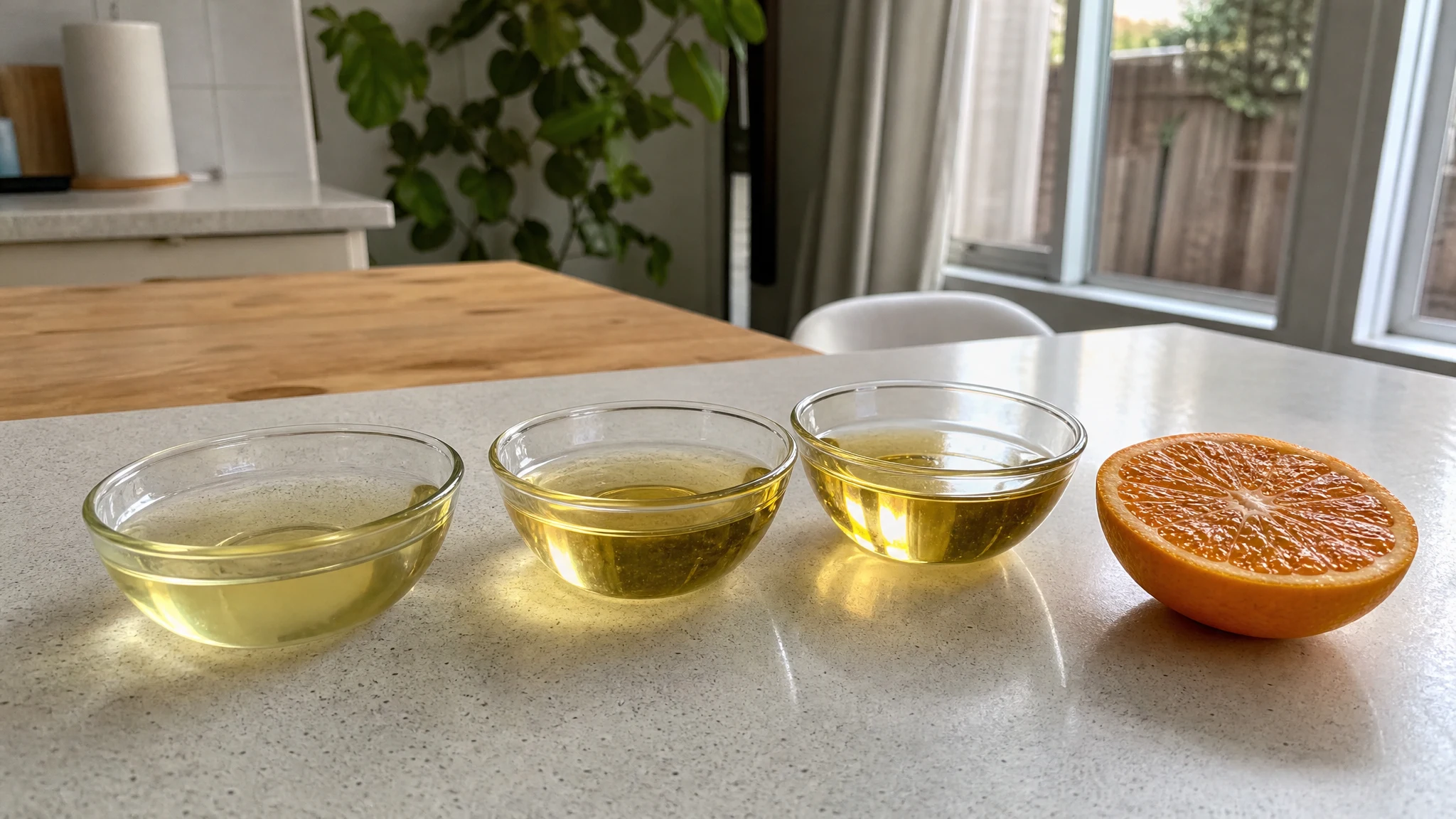
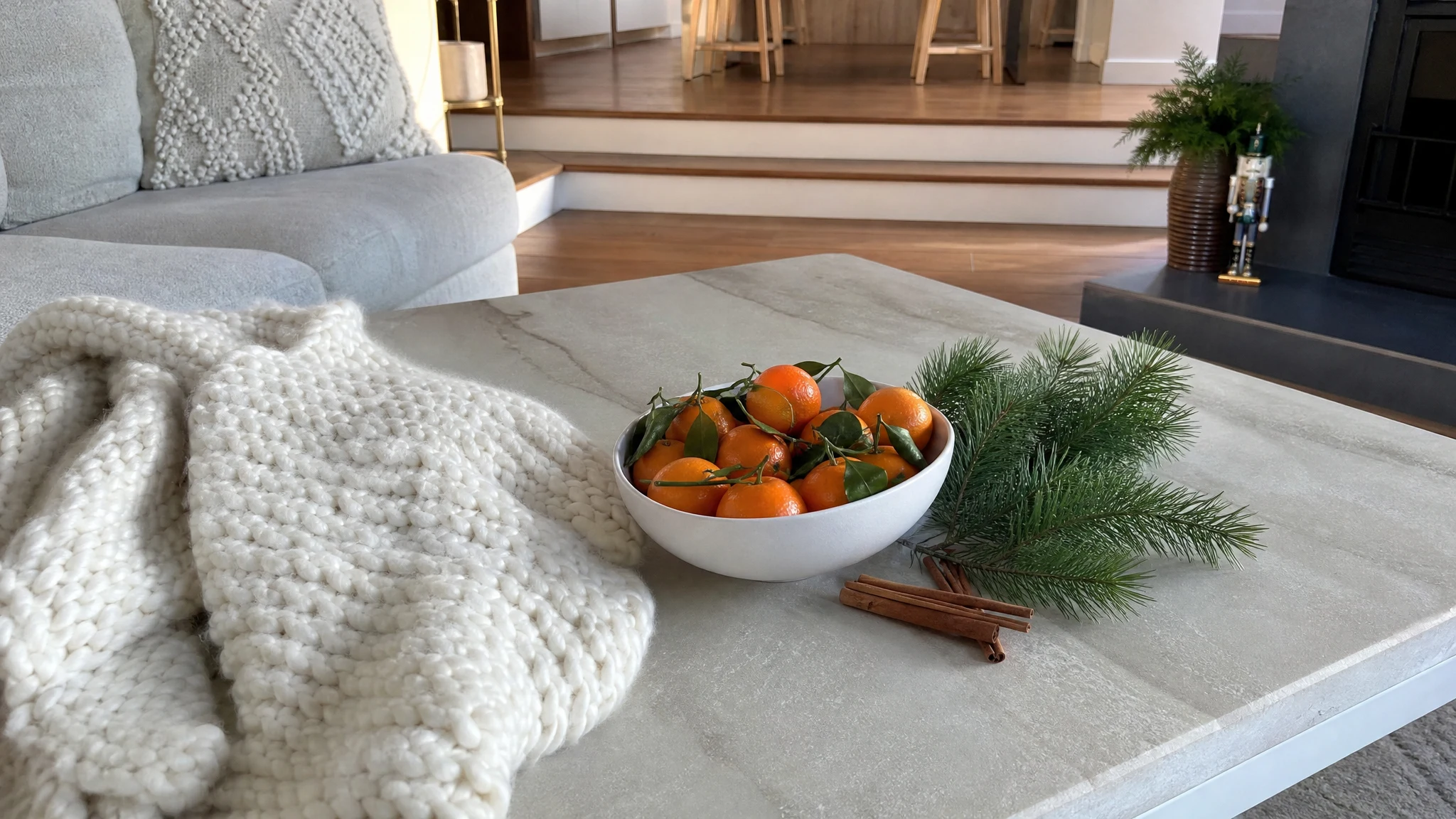
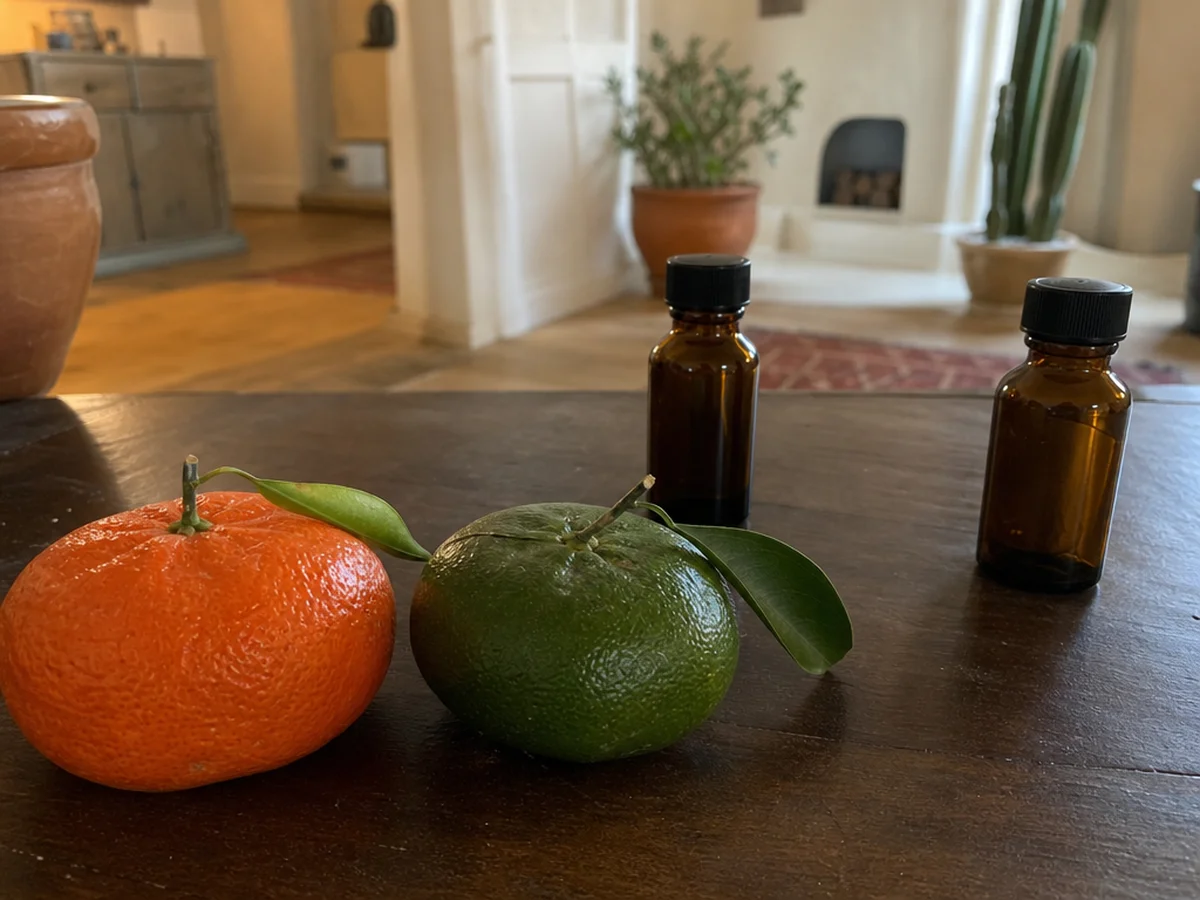
A diffuser is only one part of a pleasant room. Turn down the overhead light and switch on a lamp, put a bowl of real mandarins on the table, and open the window a crack so the air stays fresh. The fruit and the fragrance make a pair, and you may find you need less oil than you expected because the setting does half the work.
Place the diffuser on a hard, level surface, away from the edge of a shelf and from anything that could knock it over. A coaster under it protects the furniture from stray droplets.
Switch it off while you are enjoying it
One more habit we like: switch the diffuser off before you sit down to dinner or settle in with a book. The scent lingers for a while, and you get to enjoy it without the machine still running in the background.
An evening that works
- Think about who shares the air: children, cats, birds, someone with asthma.
- Add the fewest drops you can smell and run the diffuser for a set time, not all night.
- Switch it off, then open a window or door for a few minutes.
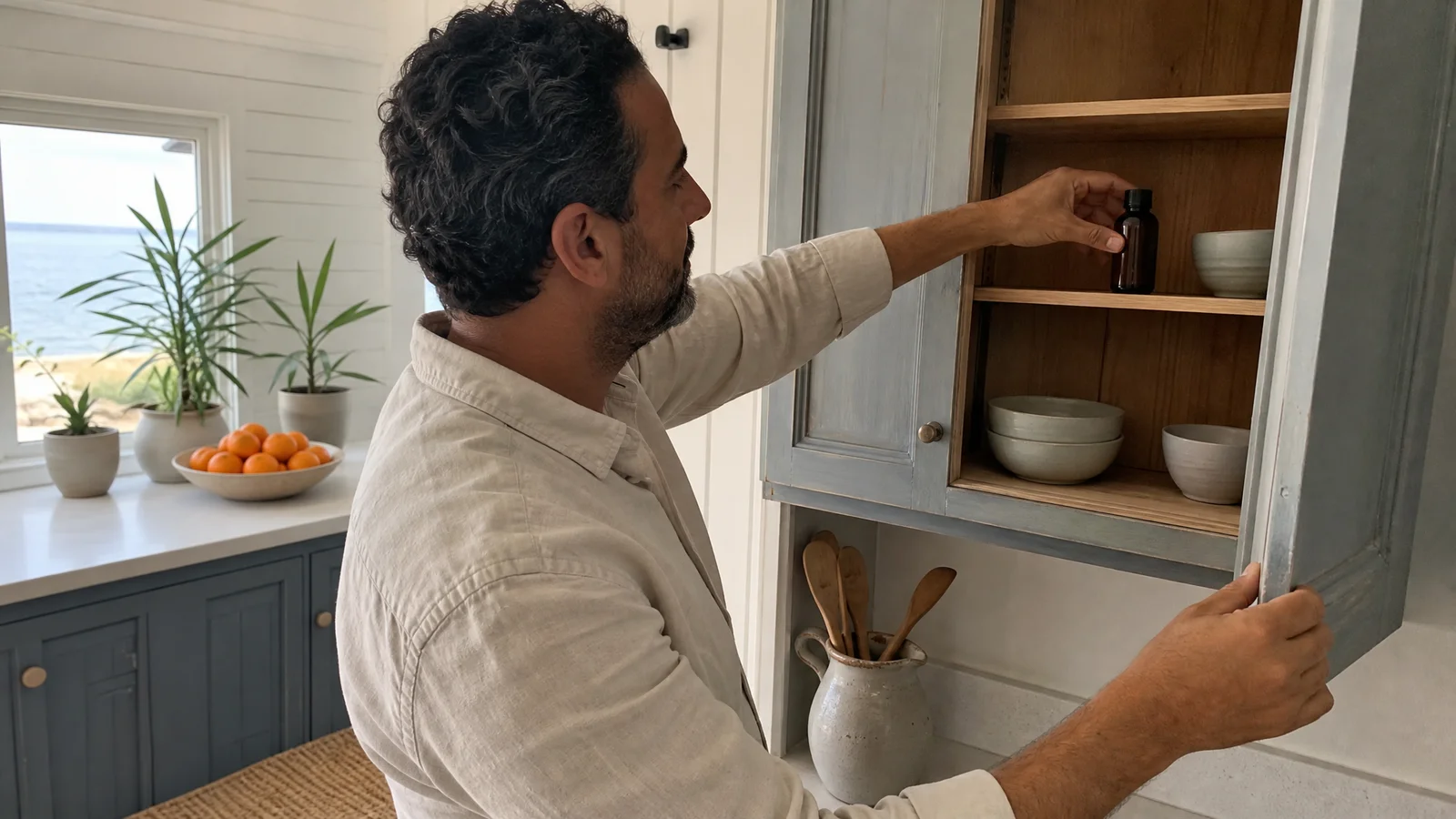
- Cap the bottle and store it out of reach of children and pets, in a cool, dark place.
If you want something warmer underneath the citrus, see the pairing guide, and the home use guide has more ways to enjoy it.
Done lightly and sensibly, a little mandarin in the air is one of the easiest pleasures in the house.
Mandarin Essential Oil
Mandarin Essential Oil from our own shop, in sizes from 0.5 oz to bulk.
From $12.99
Shop Now →Sources & Further Reading
- Aromatherapy (US FDA)
- Toxicoses From Essential Oils in Animals (Merck Veterinary Manual)
- We are here to help answer your frequently asked questions (Tisserand)
- Safety and efficacy of a feed additive consisting of expressed mandarin oil from the fruit peels of Citrus reticulata Blanco for use in all animal species (FEFANA asbl) (EFSA Journal, 2021)
- Ozone and limonene in indoor air: a source of submicron particle exposure (Environmental Health Perspectives, 2000)