How Mandarin Oil Is Made: From Fruit Peel to Bottle
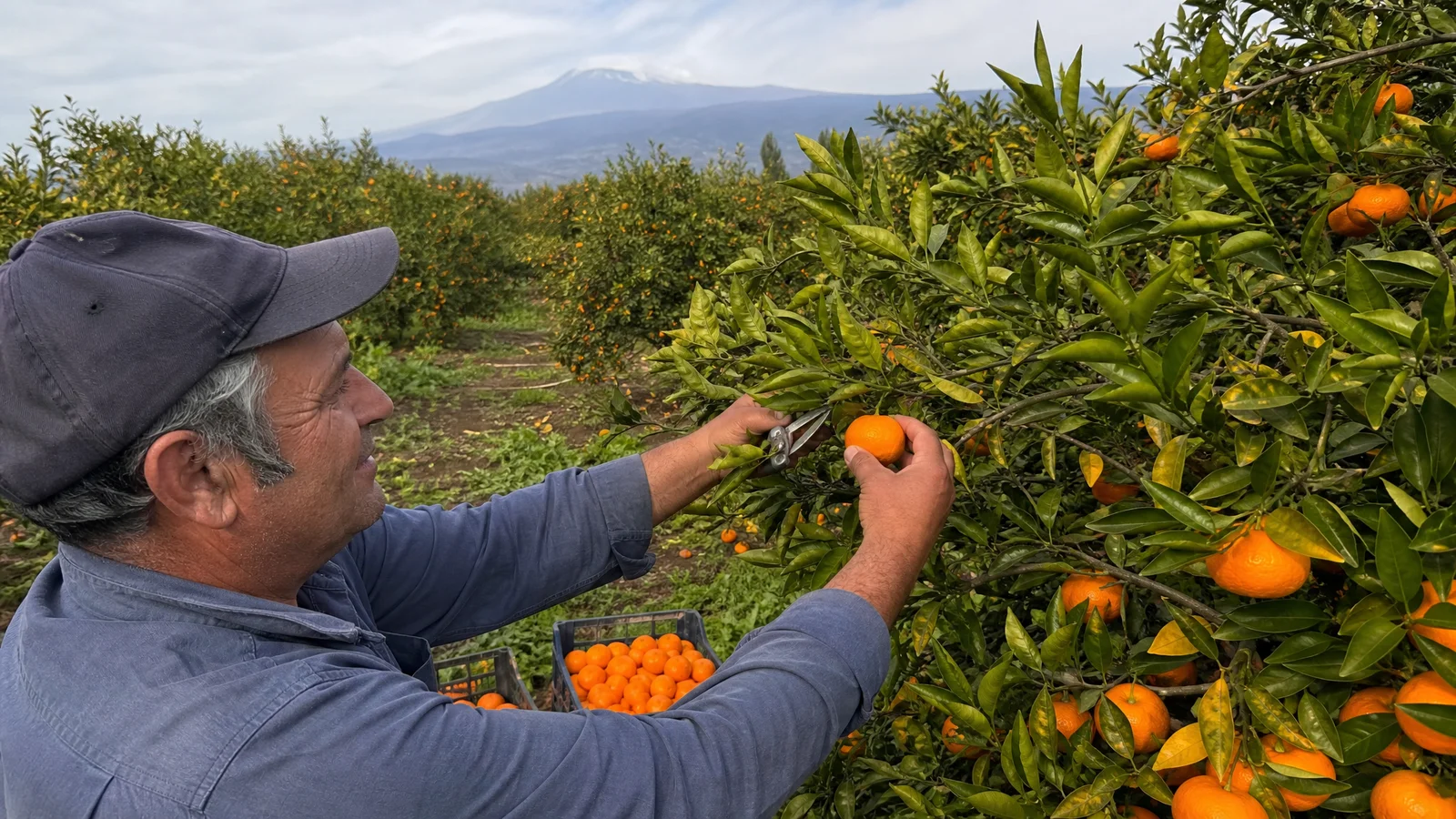
Nobody sits down and squeezes mandarin peels for oil. The oil we sell is a side stream of the juice industry: fruit goes in for juice, and a thin film of aromatic oil comes off the skin along the way. Knowing that changes how you think about the bottle, and it explains why mandarin oil is both easy to love and not especially abundant.
Mandarin Essential Oil
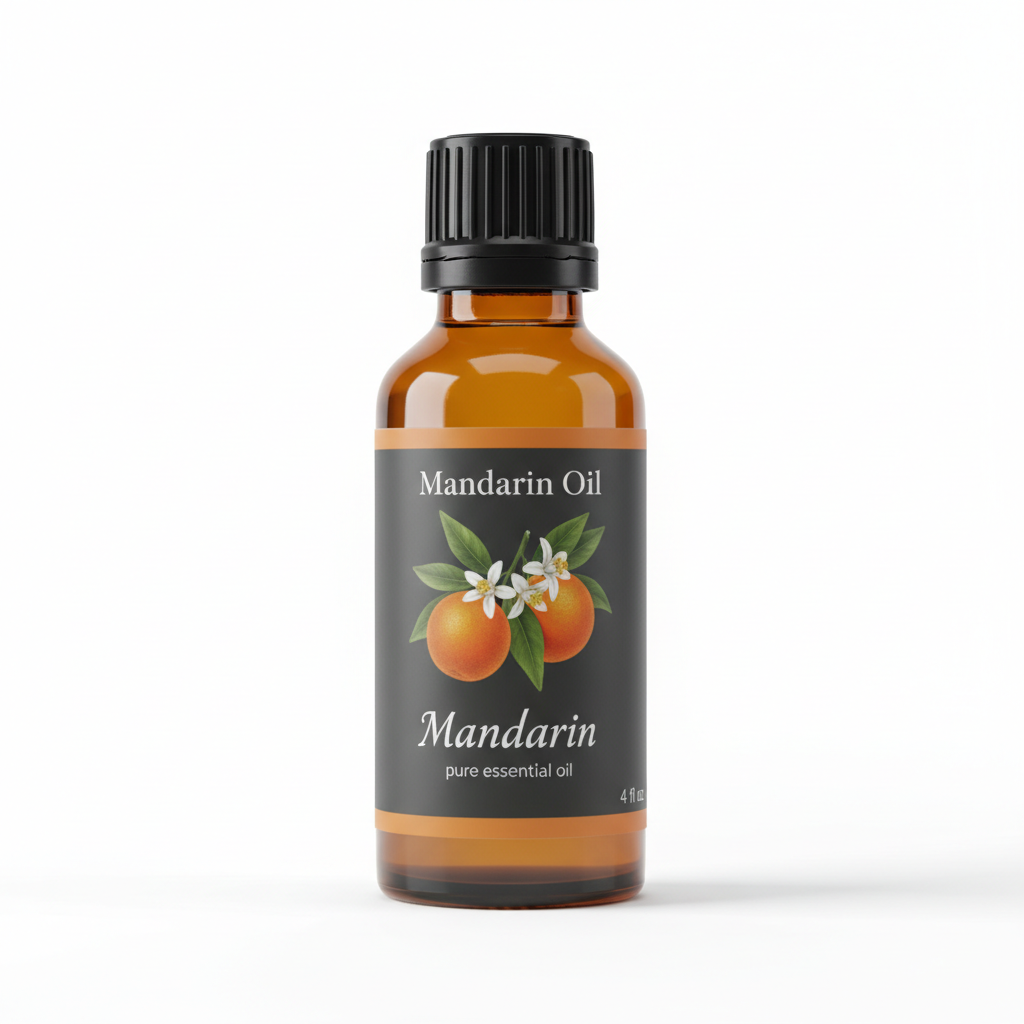
Our own Mandarin Essential Oil, in sizes from 0.5 oz to bulk.
From $12.99
Shop Now →Where the oil lives
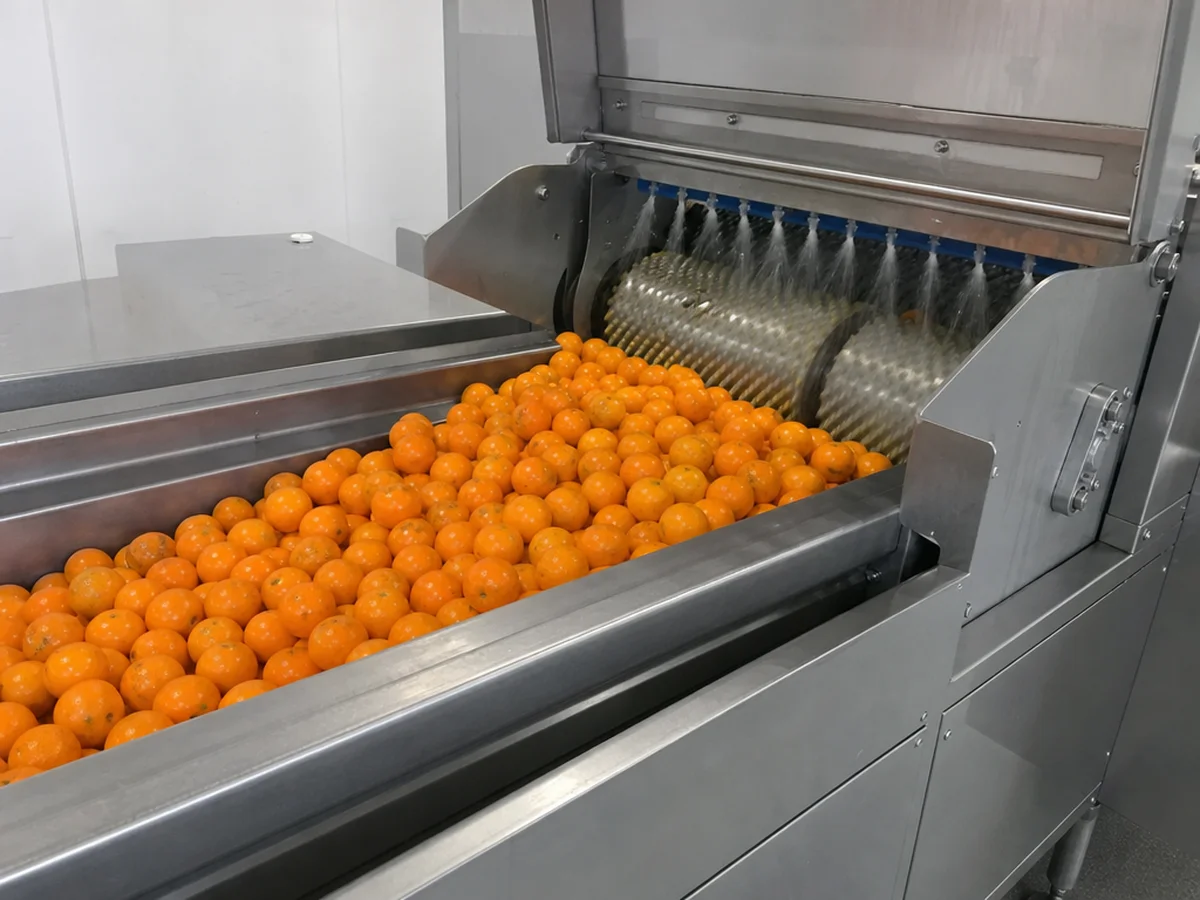
Citrus peel carries its oil in microscopic glands in the outer layer of the skin. Squeezing, scoring or scraping the peel bursts them. The European Food Safety Authority, assessing expressed mandarin oil, describes the commercial version: the fruit surface is broken, water is sprayed over it to wash off the released oil, the watery suspension is filtered to remove cell debris, and centrifuges separate the oil from the water. No heat is part of that definition, which is why you see the phrase cold-pressed.
A laboratory version you can picture
Researchers pressed 300 g of citrus peel in a spiral juicer, dried the liquid with anhydrous sodium sulphate, spun it at 10,000 rpm and 4 C for 30 minutes, and kept the clear oil at minus 20 C. Their cold-pressed yields per 100 g of fresh peel were 0.49% for Valencia orange, 0.45% for Ponkan mandarin and 0.37% for Eureka lemon. The steps are worth noticing: press, remove the water, spin out the solids. A factory repeats the same logic on a larger scale, and so does a juice line.
The juice-line route
In practice the oil is a co-product. The whole fruit passes through an in-line extractor, the peel oil leaves as an oil-in-water emulsion, and the emulsion is desludged and centrifuged. The oil is then chilled close to freezing for days or weeks so that waxes settle out, and it is polish filtered before it is ready to bottle. The pressing happens at the extractors, not at our bench, so we do not press it. We select it, and we sell it neat in amber glass.
It also helps to know that peels make up around half of a citrus fruit's weight, and that about a third of the world's citrus goes to juice, according to a review of citrus processing waste. A great deal of peel exists as an output of juice making, and recovering a little oil from it is a sensible use.
Why mandarin oil is not cheap to make
A 2001 study measured peel oil recovered per tonne of fruit by a different, steam-assisted method (flash vacuum-expansion), so it is not cold pressing and the absolute numbers should not be borrowed. The comparison between fruits is still instructive: lemon gave 2.41 kg, sweet orange 1.43 kg, grapefruit 0.73 kg and mandarin 0.64 kg. Reading that sensibly, mandarin is the most modest oil producer of the four, which helps explain why it is a modest-volume oil. Our price guide picks that thread up.
Pressed or distilled
Citrus oil can also be steam-distilled, and both routes exist for Citrus reticulata. A 2026 review notes that pressing is described as preserving heat-sensitive aroma compounds, though it offers no head-to-head composition data for mandarin, so we treat it as a general principle and not a measured result. One difference that matters to makers is sun exposure: the Tisserand Institute says distilled citrus oils contain virtually no furanocoumarins, while expressed oils are assessed separately, which is why the two should not be swapped without checking. We compare them in cold-pressed versus steam-distilled.
Try it with a real mandarin
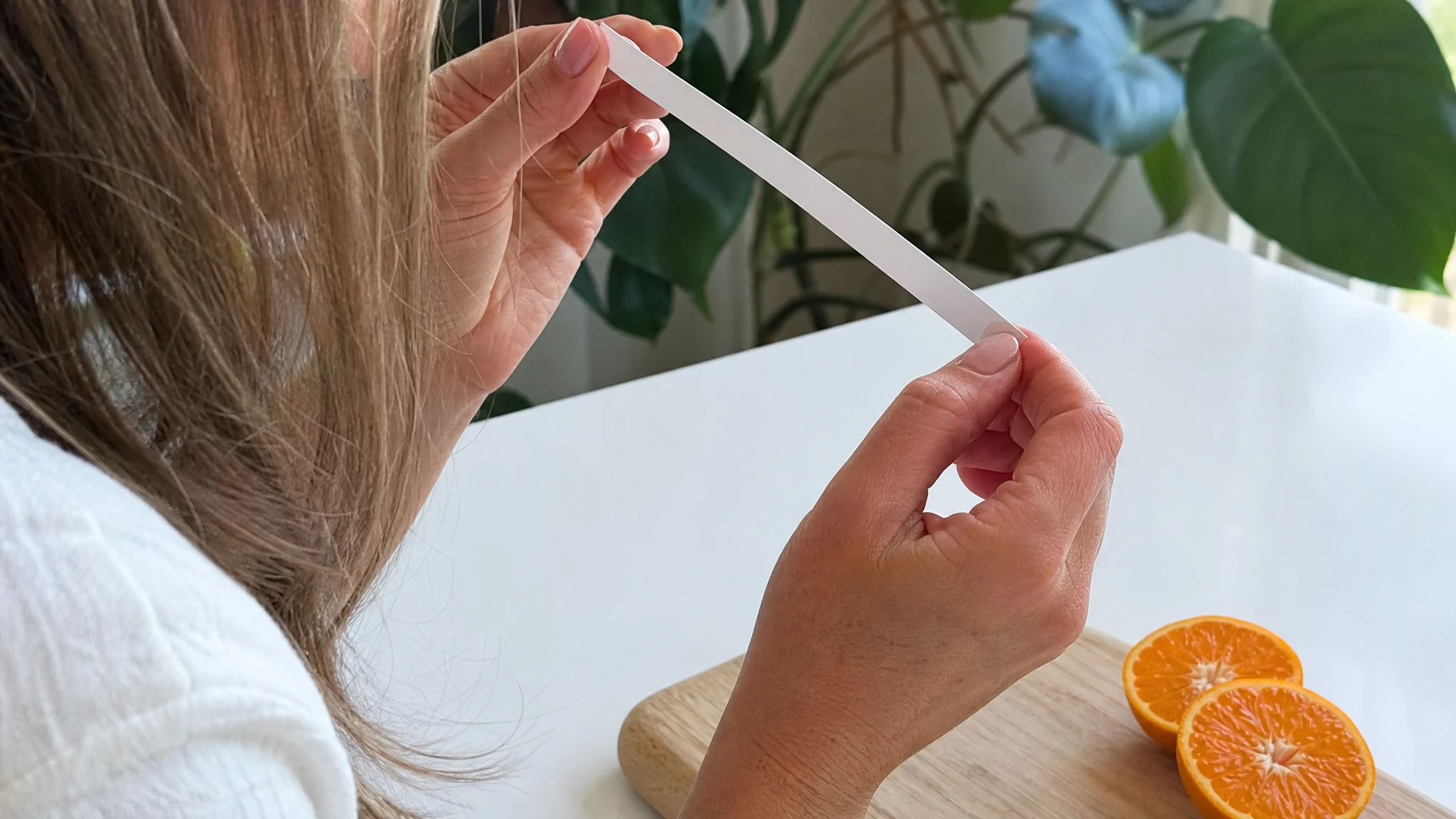
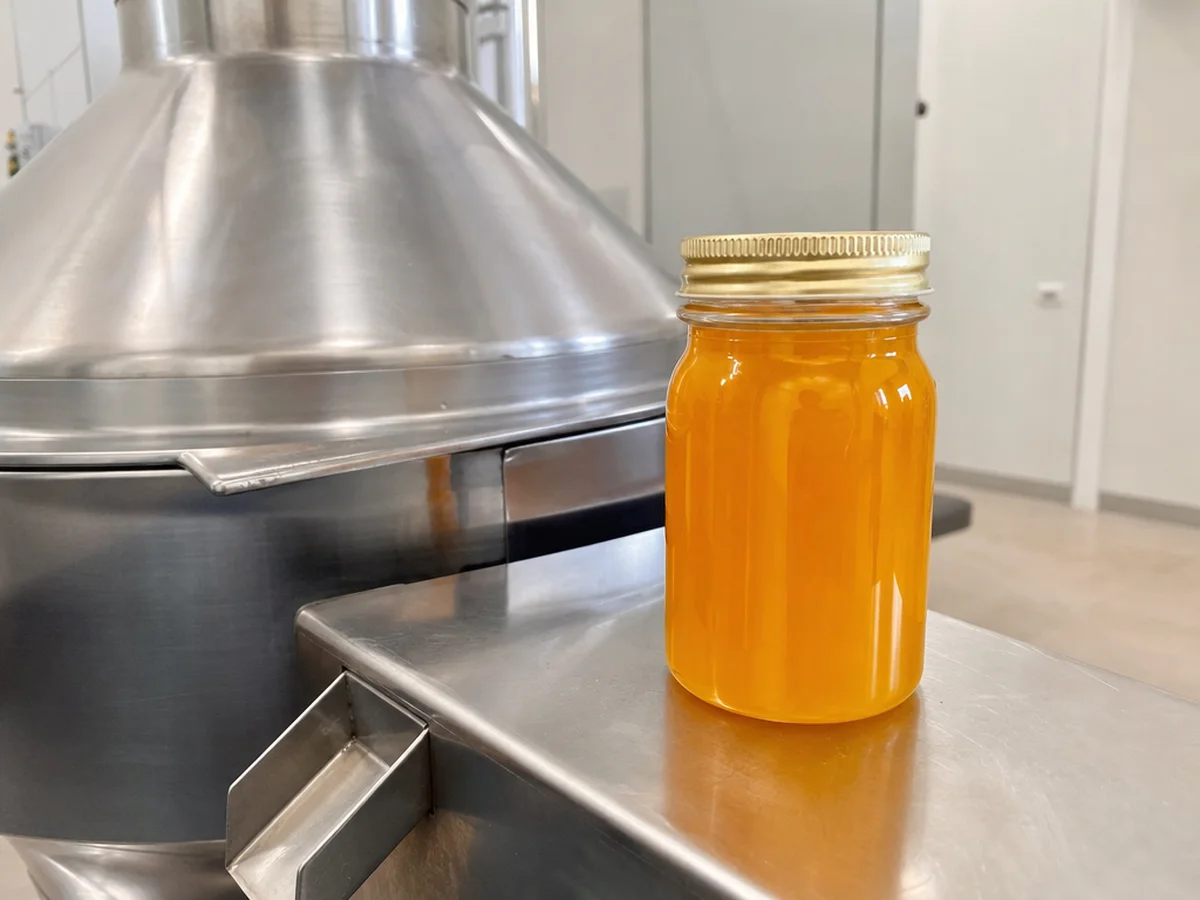
You can watch the idea at work in your own kitchen. Hold a fresh mandarin up to a window and bend a piece of peel sharply, skin side out. You may notice a spray of fine droplets glittering in the light, and your fingers will smell of the fruit for the rest of the afternoon. That is the oil breaking out of its tiny glands, and it is the whole story in miniature.
It is also a nice way to see why the oil is delicate. Left on a warm windowsill, a peel dries and loses its scent within a day or so, and a bottle of pressed oil appreciates a cool, dark cupboard for similar reasons.
Why we keep it simple at the end
We sell one oil. That keeps the bottle honest: cold-pressed from the peel, sold neat, in amber glass, with nothing added. When you open it, what you smell is mandarin, sweet and mellow and juicy, with that faint floral note hanging behind it.
What our paperwork shows
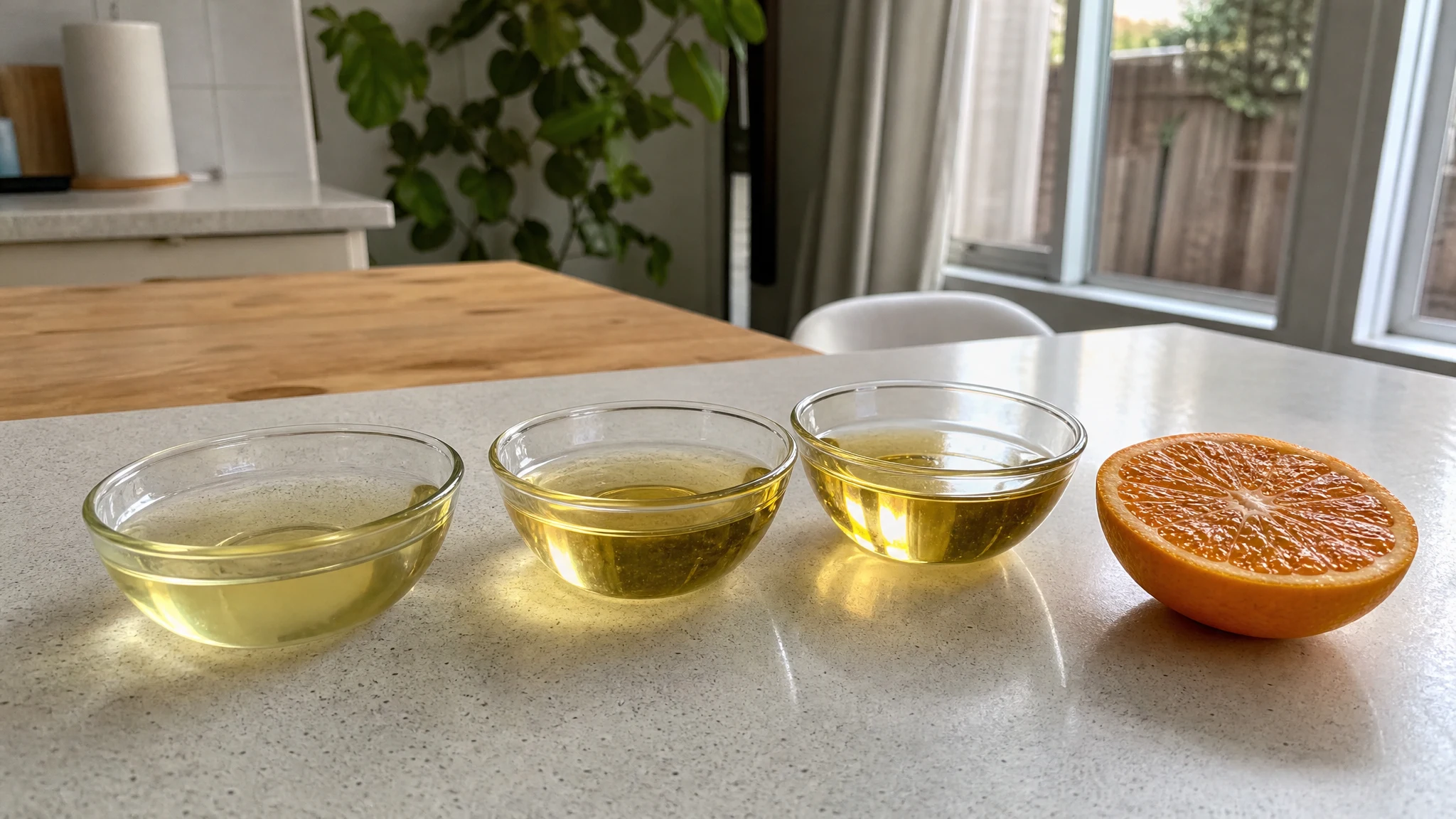
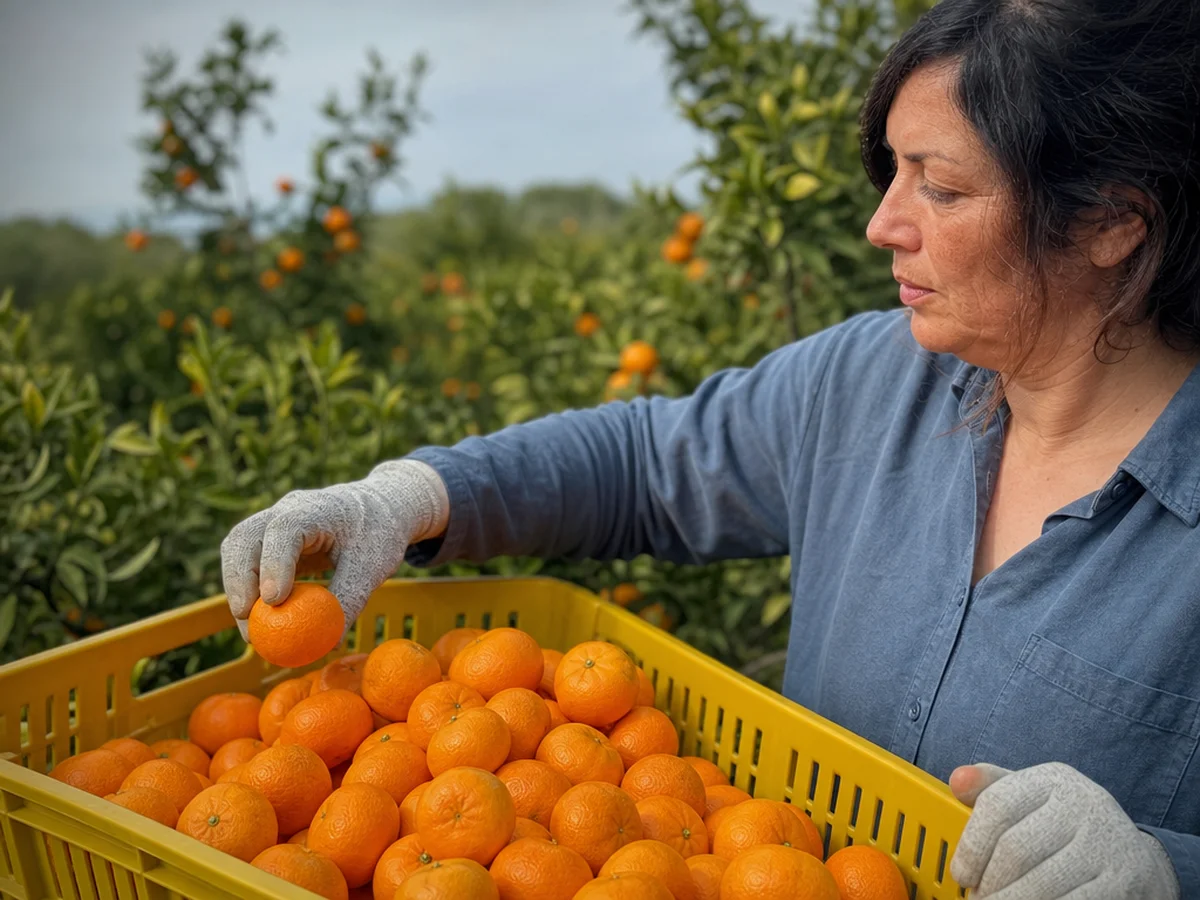
We sell one mandarin oil, cold-pressed from the peel. The certificate we publish for one batch lists extraction as cold pressed, parts used as peel, appearance as a green liquid, relative density 0.852, refractive index 1.471 and optical rotation +69.80 degrees at 20 C. Those are bulk physical measurements, and our COA guide explains each one. If you need a GC-MS composition report, ask us in writing through the contact page; we would rather you had the answer in hand before you build a product on it. For how fruit and season shift the colour and chemistry of the oil, see green, red and yellow mandarin oil.
Next time a bottle of mandarin oil crosses your hands, it is worth remembering that it began as the outermost skin of a fruit most people peel and throw away.
Mandarin Essential Oil
Mandarin Essential Oil from our own shop, in sizes from 0.5 oz to bulk.
From $12.99
Shop Now →Sources & Further Reading
- Safety and efficacy of a feed additive consisting of expressed mandarin oil from the fruit peels of Citrus reticulata Blanco for use in all animal species (FEFANA asbl) (EFSA Journal, 2021)
- Peel oils from three Citrus species: volatile constituents, antioxidant activities and related contributions of individual components (J Food Sci Technol, 2019)
- Essential oils obtained by flash vacuum-expansion of peels from lemon, sweet orange, mandarin and grapefruit (Fruits, 2001)
- Recent advances in valorization of citrus fruits processing waste: a way forward towards environmental sustainability (Food Sci Biotechnol, 2021)
- Citrus reticulata Essential Oil as a Bioactive Food Ingredient: Composition Variability, Extraction, Functional Bioactivities, and Cross-Study Quantitative Analysis (Food Sci Nutr, 2026)
- Phototoxicity: essential oils, sun and safety (Tisserand Institute)