Why Mandarin Oil Prices Differ: A Fair Comparison
Two bottles of mandarin oil can sit side by side at very different prices and both be perfectly honest. Part of the reason is that mandarins give up very little oil, and part is that the numbers on the label are rarely measuring the same thing. We do not quote prices in articles, because they move, and our shop page always shows the current price for each size. What lasts is the method for comparing offers fairly, and it starts at the fruit.
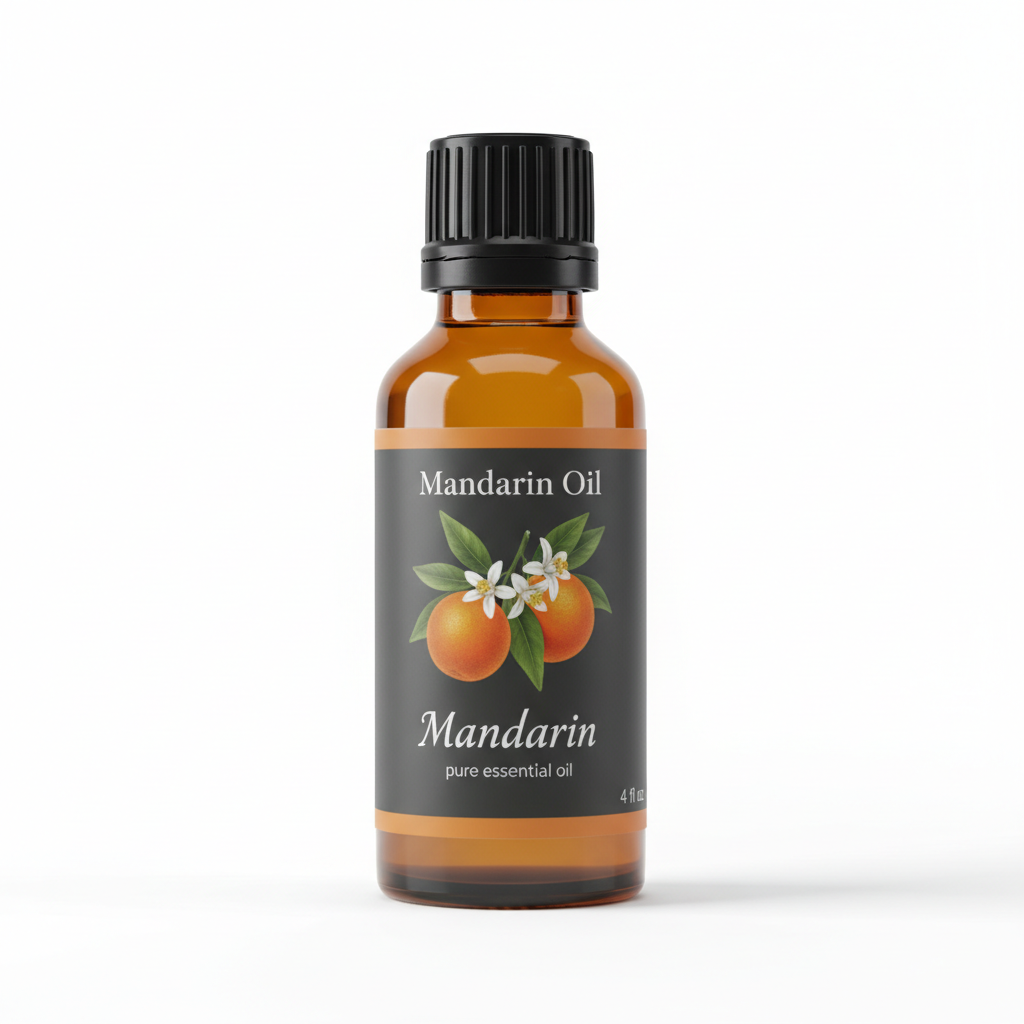
Mandarin Essential Oil
Our own Mandarin Essential Oil, in sizes from 0.5 oz to bulk.
From $12.99
Shop Now →A tonne of mandarins does not make much oil
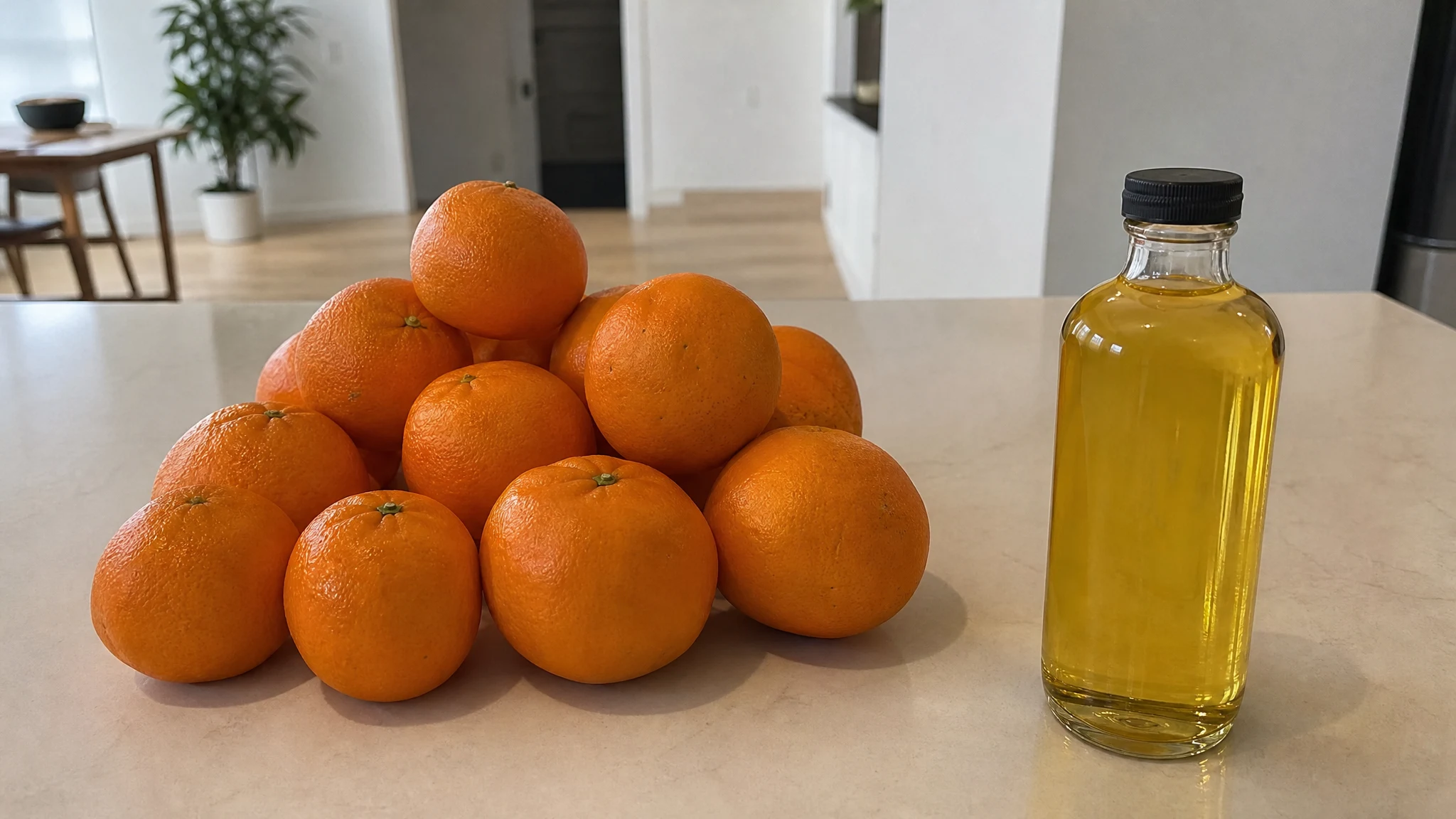
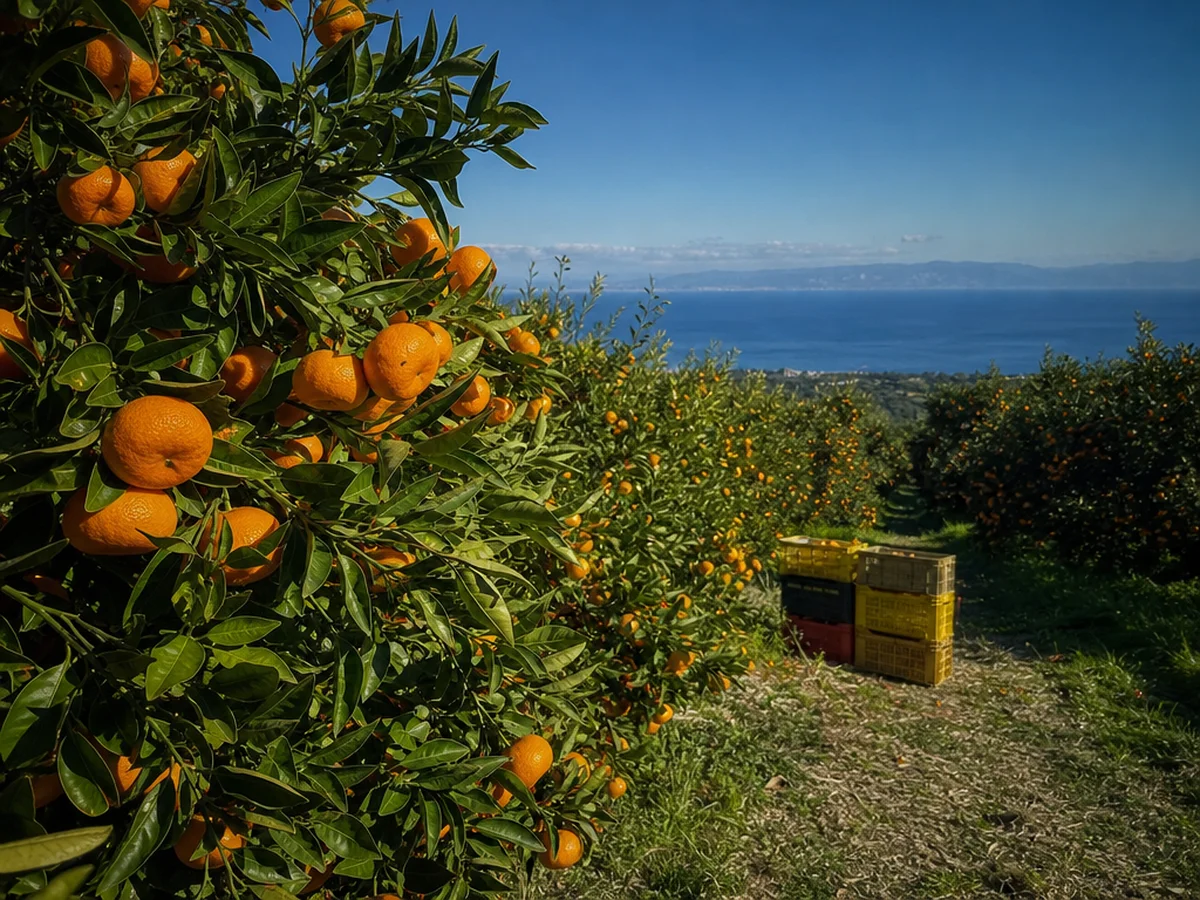
In a 2001 study in the journal Fruits, researchers measured how much peel oil four citrus fruits gave up. Per tonne of fruit they recovered 2.41 kg from lemon, 1.43 kg from sweet orange, 0.73 kg from grapefruit and 0.64 kg from mandarin. The method they used, flash vacuum-expansion, is not cold pressing, and these were specific lots of fruit in 2001, so treat the numbers as a sense of scale and not as what any producer gets today. Even so, the pattern is striking. On those figures a tonne of mandarins yields roughly a quarter of the oil a tonne of lemons does and under half what sweet orange does. It is reasonable to conclude that mandarin oil starts out costing more per kilogram to produce than lemon or orange oil, before a single bottle is filled.
Why two fair prices can differ
Beyond yield, a handful of things quietly change what you are buying.
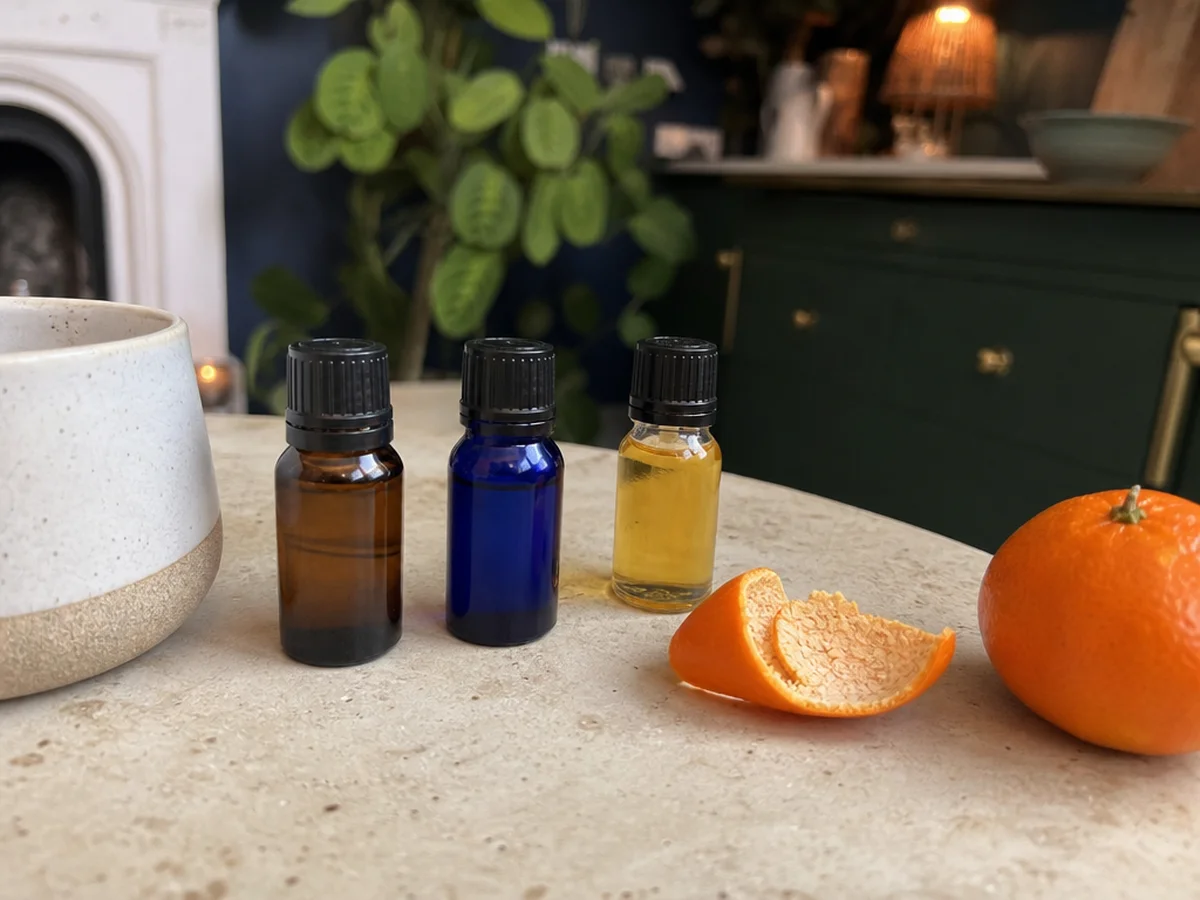
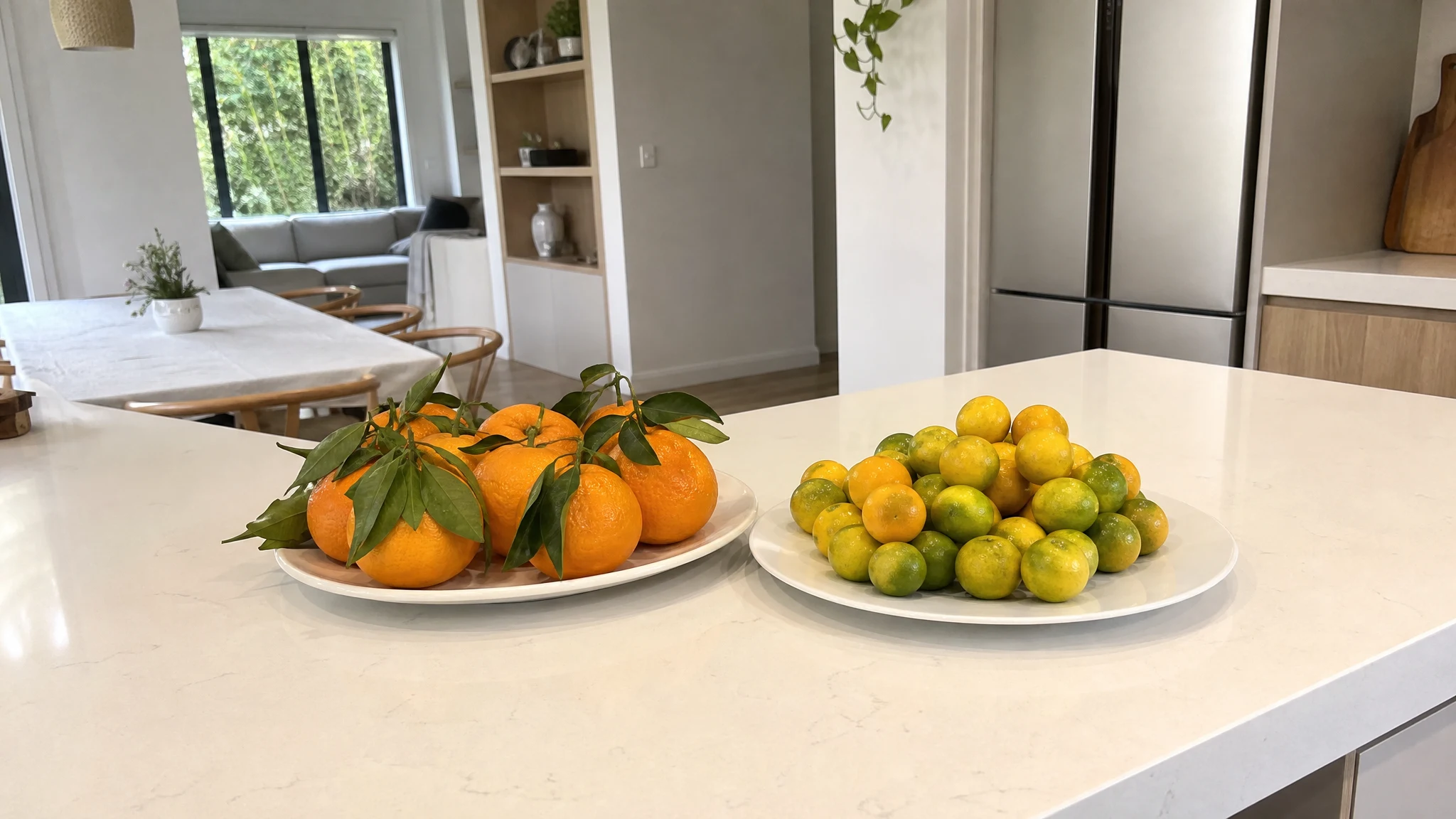
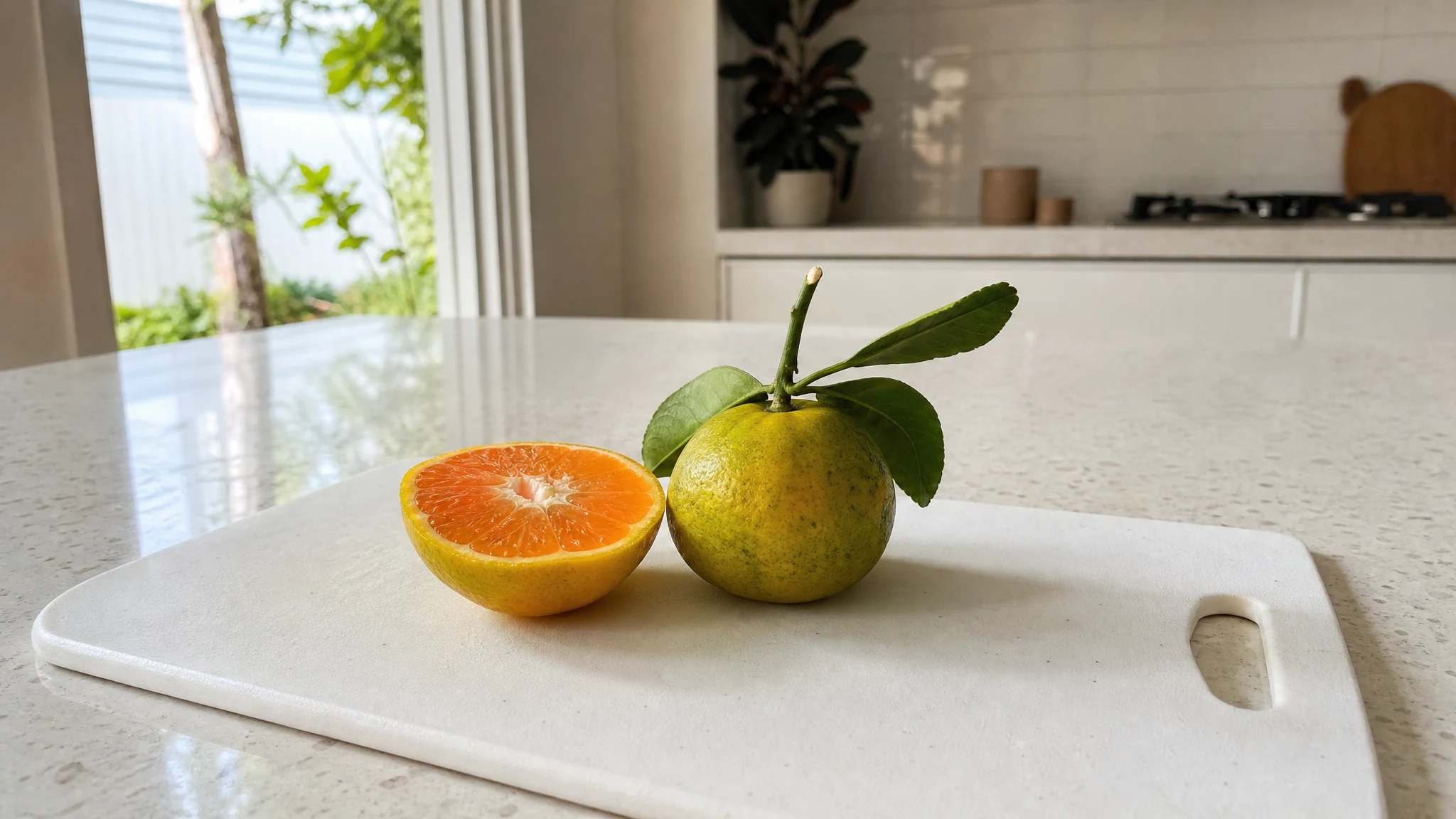
- Type. EFSA describes green mandarin oil (green to green-brown) and red mandarin oil (orange to red-amber) as distinct products. A listing that says which one it is gives you the first fact a perfumer would want. The Certificate of Analysis we publish for one batch describes it as "Green liquid".
- Lot to lot variation. In EFSA's ten batches, limonene ranged from 56.4% to 68.6%. Oils from different fruit and seasons are close cousins and not clones.
- Age. The Tisserand Institute notes that most essential oils keep well for at least one to two years, that heat, light, moisture and air speed oxidation, and that refrigeration roughly doubles useful life. Two bottles at the same price can hold different amounts of remaining freshness depending on how they were stored. A best-by date for the lot is something you can actually weigh.
- Paperwork. A GC-MS report is useful, but as the Tisserand Institute points out, it cannot reveal everything and cannot check for pesticides. It costs a seller money to produce, and what matters is what it covers.
None of these says a cheaper oil is worse or a dearer one better. They are the reasons to ask questions before judging.
Convert everything to grams
This single step fixes most bad comparisons. Using the relative density of 0.852 printed on our certificate for one batch (a batch figure, not a promise for every lot), here is the arithmetic:
- 1 fluid ounce is 29.57 ml, about 25.2 g.
- 1 ounce by weight is 28.35 g, about 33.3 ml, which is 12.5% more oil than a fluid ounce.
- 1 lb is 453.6 g, about 532 ml.
- At a typical 20 drops per ml, a 10 ml bottle holds roughly 200 drops, though droppers vary.
So a bulk price per pound and a retail price per fluid ounce cannot be compared until both become price per gram. Write down each offer, convert the size, divide, and the comparison is suddenly honest.
Then think in blends, not bottles
Price per gram is still not what a project costs. Our dilution guidance for skin is 0.5% to 2% in a carrier oil, roughly 3 to 12 drops per ounce of carrier, with a patch test first. At the top of that range a 1 oz blend takes 12 drops, so a 0.5 oz bottle (about 296 drops, by our arithmetic) covers around two dozen such blends. A bottle that oxidizes before you finish it quietly raises the cost of every blend you made from it, which is why our bottle size article and our storage guide belong in any buying decision.
Leave with a notebook, not a hunch
We would rather you walk away from a comparison with a calculator and a page of notes than with a vague feeling that one bottle looked cheap. Write each offer down with the date, because offers move. Note the type, the size in a unit you can convert, the lot code if it is shown, and whatever paperwork is offered. Then do the gram sum from above. It takes ten minutes and it makes the next purchase easier too.
It also helps to decide in advance what you are buying the oil for. A diffuser bottle you will finish in a season asks different things of a seller than a litre you will blend into a product line. Knowing your own use keeps the comparison honest, and it keeps you from paying for a size you will not finish.
Questions worth sending a seller
When a price is far below the others, it is a prompt for curiosity and not an accusation. Ask which type the bottle holds, the botanical name and extraction, the lot code and best-by date, what report covers the lot and who ran it, and how much is in the bottle in a unit you can convert. Our quality check article lists the documents in order of how much they tell you.
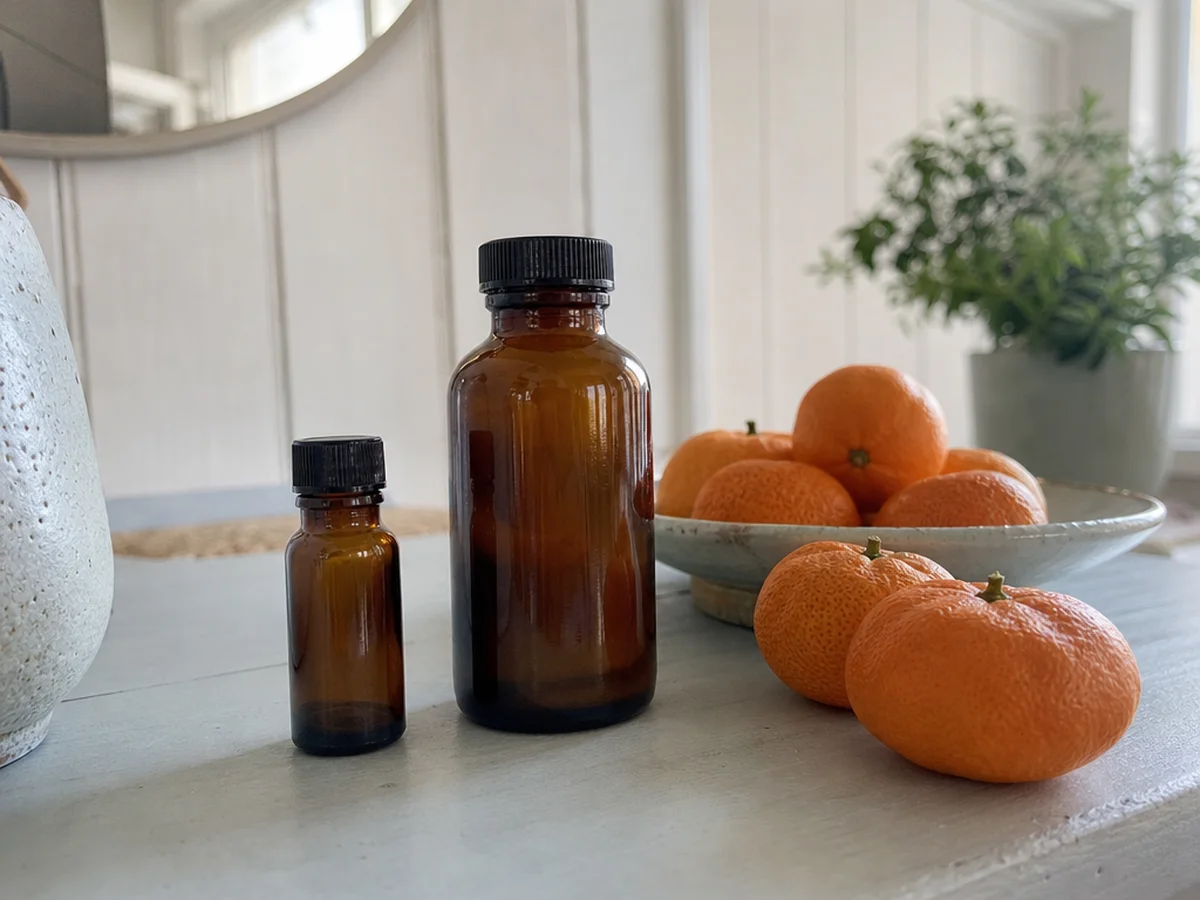
We sell one mandarin oil, cold-pressed from the peel, in sizes from 0.5 oz to 400 lb. If you are buying for production, the wholesale page has a sample bottle option, which lets you judge the oil in your own formula before committing to volume. Put every offer, ours included, through the same conversion and let the numbers speak.
However you compare offers, do it the same way every time and keep your notes, and the price on the page will start to make sense.
Mandarin Essential Oil
Mandarin Essential Oil from our own shop, in sizes from 0.5 oz to bulk.
From $12.99
Shop Now →Sources & Further Reading
- Brat et al., 2001. Essential oils obtained by flash vacuum-expansion of peels from lemon, sweet orange, mandarin and grapefruit. Fruits 56(6):395-402.
- EFSA FEEDAP Panel, 2021. Safety and efficacy of a feed additive consisting of expressed mandarin oil from the fruit peels of Citrus reticulata Blanco for use in all animal species (FEFANA asbl). EFSA Journal.
- Tisserand Institute. Is my bottle of essential oil oxidized or no longer good to use?
- St-Gelais, Tisserand Institute. The Highs and Lows of GC-MS in Essential Oil Analysis.