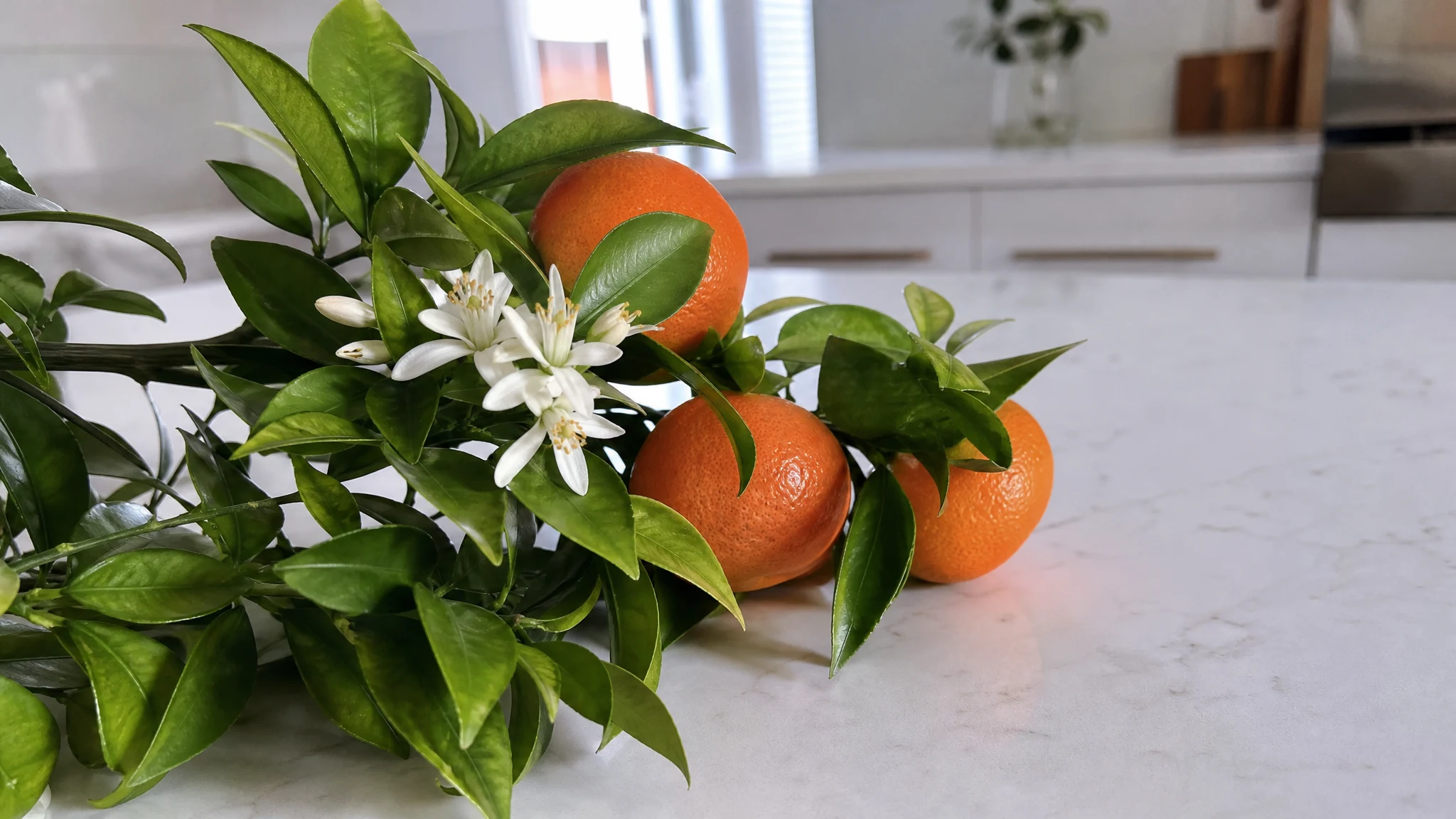
Is There an IFRA Limit for Mandarin Oil?
If you came looking for the IFRA usage limit for mandarin oil, here is the short, slightly surprising answer: there is not one. The IFRA Standards contain no entry titled mandarin oil. What exists instead is a pair of standards that touch mandarin through what is inside it, and understanding them is more useful than any single percentage would be.
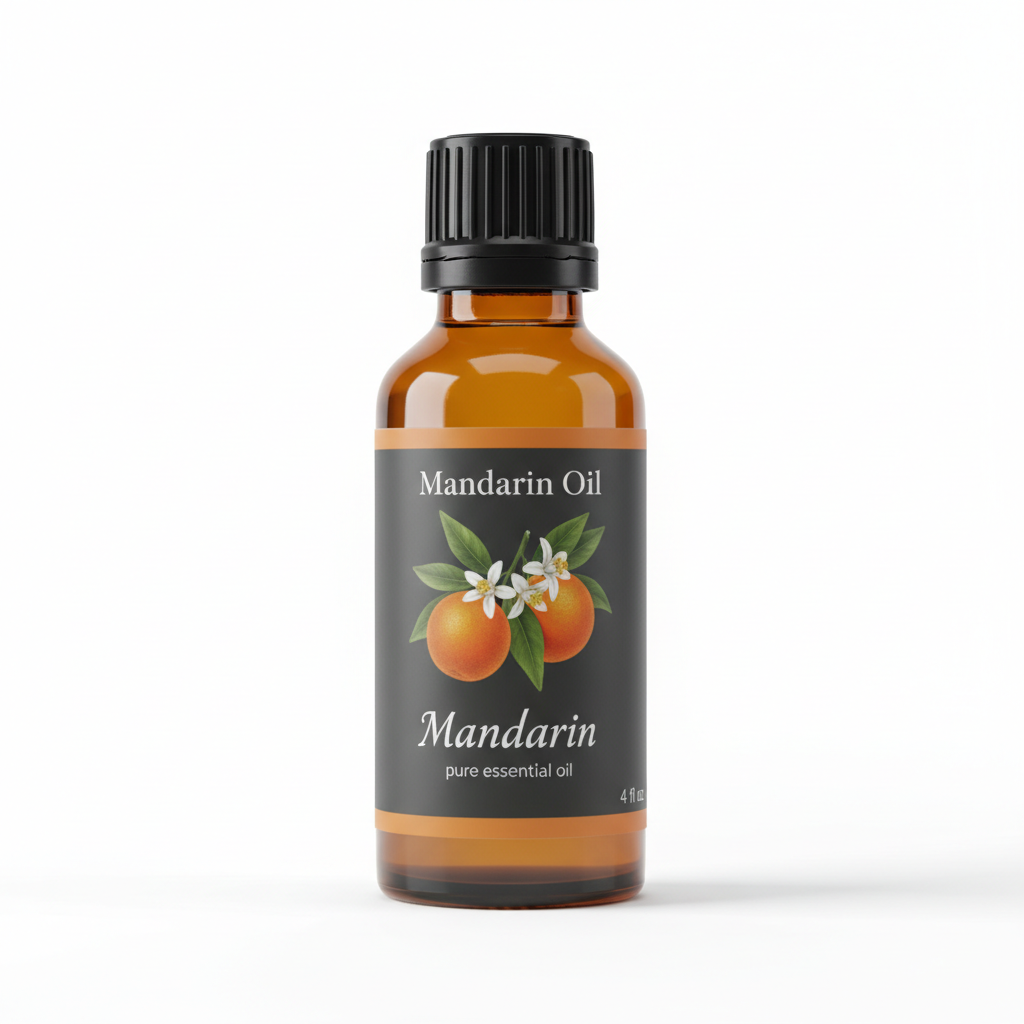
Mandarin Essential Oil
Our own Mandarin Essential Oil, in sizes from 0.5 oz to bulk.
From $12.99
Shop Now →Standard one: a compound with a funny name
Mandarin peel oil carries a small amount of methyl N-methylanthranilate, the molecule behind much of that orange-and-mandarin peel note. IFRA restricts it because of phototoxic effects, and the 2023 standard (Amendment 51) caps it in the finished product at 0.10% for most categories, including 5A, which covers body lotion, and 0.50% for categories 6, 7A, 9 and 10A. A handful of categories carry no restriction. The standard also asks that anyone downstream be told the material can form nitrosamines in nitrosating systems, which matters if a formula contains ingredients of that kind.
Here is why that does not turn into a single oil percentage. The EFSA panel measured this compound in ten mandarin oil batches and found 0.51% to 1.59%, with a mean of 1.04%. Let us do the arithmetic, using those figures as an illustration of the method and not as a statement about our oil. For a product capped at 0.10%, the oil could make up about 19.6% of the product if the compound sits at 0.51%, about 9.6% at the mean, and about 6.3% at 1.59%. Put the oil at 2% in a lotion and the compound lands between 0.010% and 0.032%. The same oil share gives a threefold swing, purely from composition. That is why IFRA expects you to use the actual figures for your lot where you have them.
Standard two: the citrus sun rule
The IFRA standard on citrus oils and other furocoumarin-containing oils (Amendment 49, 2020) is the one behind the familiar sun advice. It lists eight oils as restricted: angelica root, bergamot, bitter orange, cumin, grapefruit, lemon, lime and rue. Plain expressed mandarin peel oil is not on that list. The standard does name two relatives, petitgrain mandarin and cold-pressed tangerine, at a typical furocoumarin level of 50 ppm each, and says those levels are not high enough to require special restrictions if the oil is used alone.
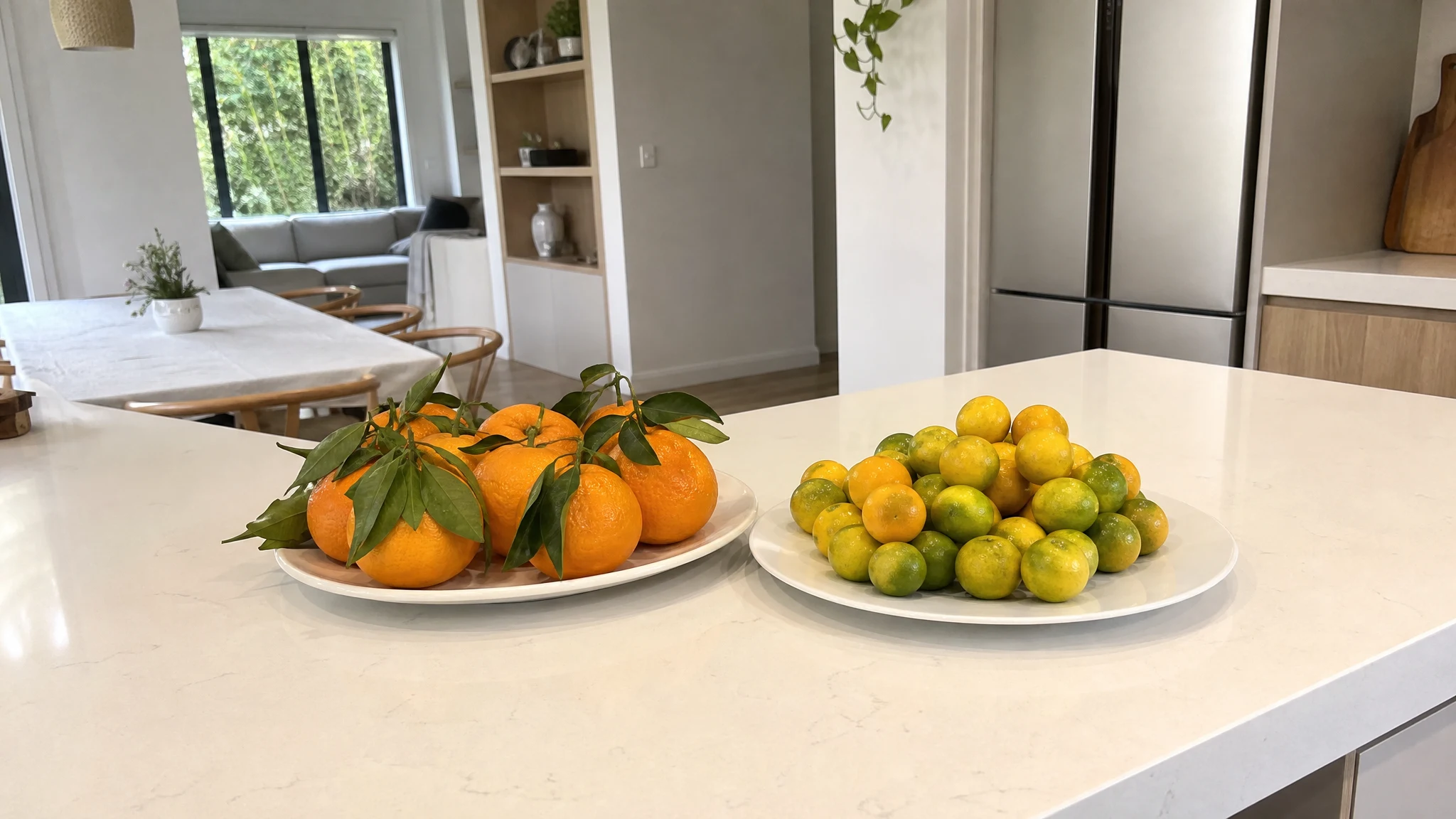
Two features of the standard are worth knowing. For skin exposed to UV light, the total bergapten in the finished product should not exceed 15 ppm (0.0015%), and that limit does not apply to rinse-off products. And when oils are combined, the standard adds them up: each oil's use is expressed as a percentage of its own ceiling, and the sum must not pass 100. Mandarin oil can sit alongside lemon or bergamot in a formula, but the restricted oils are the ones that spend the allowance. The citrus comparison shows the numbers side by side.
Two more rulebooks that matter to makers
In the European Union, Regulation 2023/1545 expanded the list of fragrance allergens that must be named on the label to 56. They are declared above 0.001% in leave-on products and 0.01% in rinse-off ones, with new products covered from 31 July 2026 and existing ones from 31 July 2028. In the United States, FDA treats a product as a cosmetic or a drug according to what it claims to do, so intended use matters as much as ingredients. We sell a cosmetic oil and make no body claims for it.
A word for hobbyists
Not everyone reading this sells anything. If you are mixing a small jar of body oil for yourself or a friend, the rulebooks above can feel like a lot. Our suggestion is to take what is useful from them and keep the rest in mind for later.
- Keep the batch small, so it is used up while the oil is still fresh.
- Label the jar with the date and what is in it.
- Stay near the low end of our dilution guidance and patch test first.
- Write down what you put in, so you can repeat a blend you liked.
If your hobby starts turning into a little business, that is the moment to begin collecting the paperwork in the list below. It is far easier to start the folder on day one than to reconstruct it after your first order.
What to collect before you sell something
- A GC report for the lot, naming the method, with methyl N-methylanthranilate and limonene quantified.
- A furocoumarin or bergapten figure, if the product is leave-on and will be worn in sun.
- An IFRA statement from your supplier that names the Amendment number, so you know which limits it was calculated against.
The Certificate of Analysis we publish for one batch lists appearance, smell, relative density, refractive index and rotation. For GC-MS or other lot data, ask us in writing through the contact page before ordering and keep the reply. Then take the documents to a regulatory consultant or cosmetic chemist, who can compute limits for your formula, your product categories and your markets.
Our own dilution guidance of 0.5% to 2% in a carrier is a general line for personal skin use with a patch test, and it is not an IFRA calculation. If you are making a single batch for yourself, IFRA's figures are a useful picture of the risks rather than an obligation, and our safety basics and lotion formulation articles are good next stops. IFRA revises its standards regularly, so check the current amendment before you rely on any figure here.
Mandarin Essential Oil
Mandarin Essential Oil from our own shop, in sizes from 0.5 oz to bulk.
From $12.99
Shop Now →Sources & Further Reading
- IFRA. Citrus oils and other furocoumarins containing essential oils, 2020 (Amendment 49).
- IFRA. Methyl N-methylanthranilate, 2023 (Amendment 51).
- EFSA FEEDAP Panel, 2021. Safety and efficacy of a feed additive consisting of expressed mandarin oil from the fruit peels of Citrus reticulata Blanco for use in all animal species (FEFANA asbl). EFSA Journal.
- European Commission. Fragrance allergens labelling.
- US FDA. Aromatherapy.