How to Read a Mandarin Oil Label: A Two-Minute Checklist
Pick up a bottle of mandarin oil and the label is making a handful of small promises. Some of them you can check against a document, and some are simply words. Learning which is which takes about two minutes, and it changes how you shop. Here are the lines we would read first, in the order we would read them.
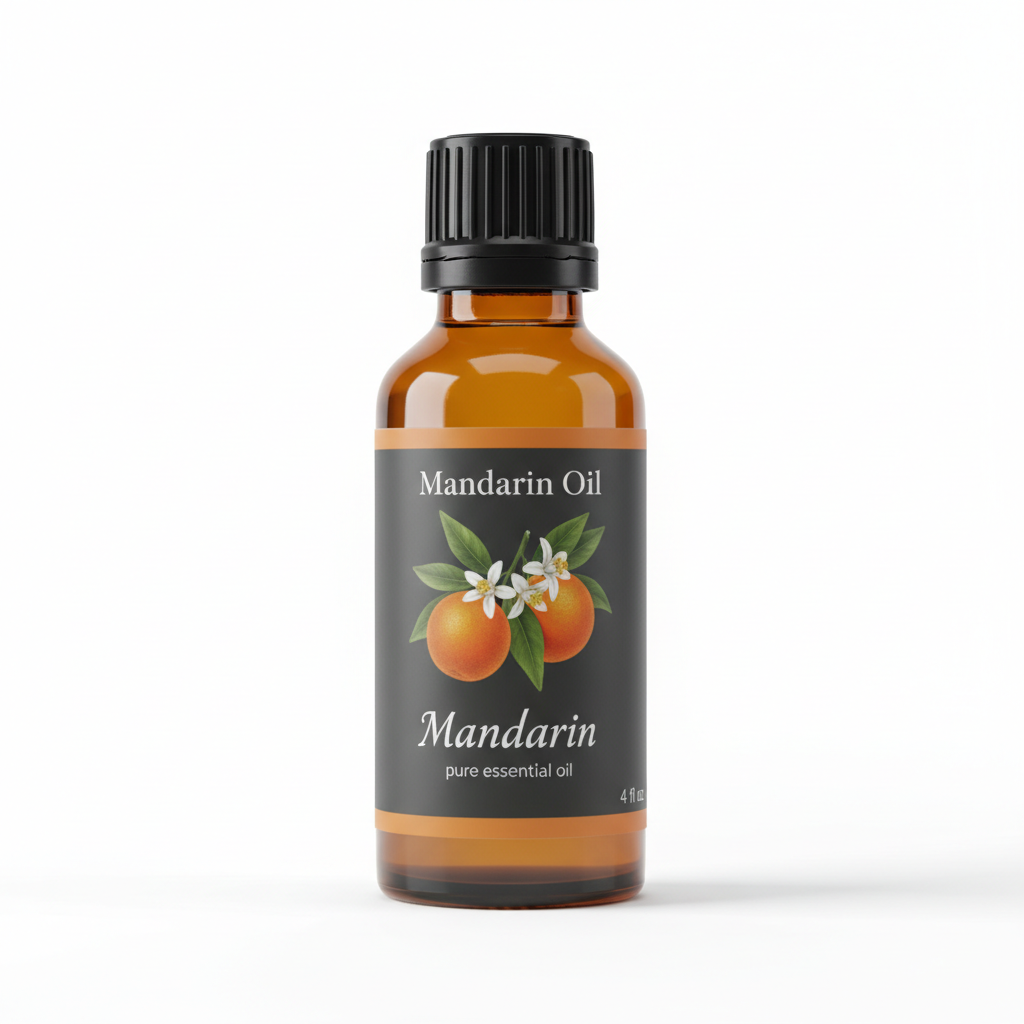
Mandarin Essential Oil
Our own Mandarin Essential Oil, in sizes from 0.5 oz to bulk.
From $12.99
Shop Now →The Latin name and the plant part
This is the one line with a clear answer. The mandarin oil that EFSA reviewed in 2021 comes from Citrus reticulata Blanco, and the international standard that describes Italian-type mandarin oil, ISO 3528:2012, uses the same name in its title. A label that says only "mandarin" or "citrus oil" has left out the single detail that ties the bottle to a species with a body of research behind it. The plant part belongs on the label too, since leaf and twig oil from the same tree is a different material from peel oil. Our petitgrain comparison explains that difference.
Our own mandarin oil is listed as Citrus reticulata, from the peel, and the Certificate of Analysis we publish for one batch prints the same details along with the extraction method.
Cold pressed or distilled
The way an oil is extracted changes more than the aroma. EFSA describes mandarin oil as obtained by cold expression from the fruit peel. The Tisserand Institute adds a safety angle: most phototoxic essential oils are expressed citrus oils, while distilled citrus oils contain virtually no furocoumarins, the compounds responsible. So "distilled" on a mandarin bottle shifts the sun conversation as well as the scent, and a seller using that word should be able to say which part of the plant was distilled. Ours is cold-pressed from the peel and sold neat. If you enjoy the craft side of this, we compare the two methods in cold-pressed vs steam-distilled mandarin oil.
Colour: a type, not a grade
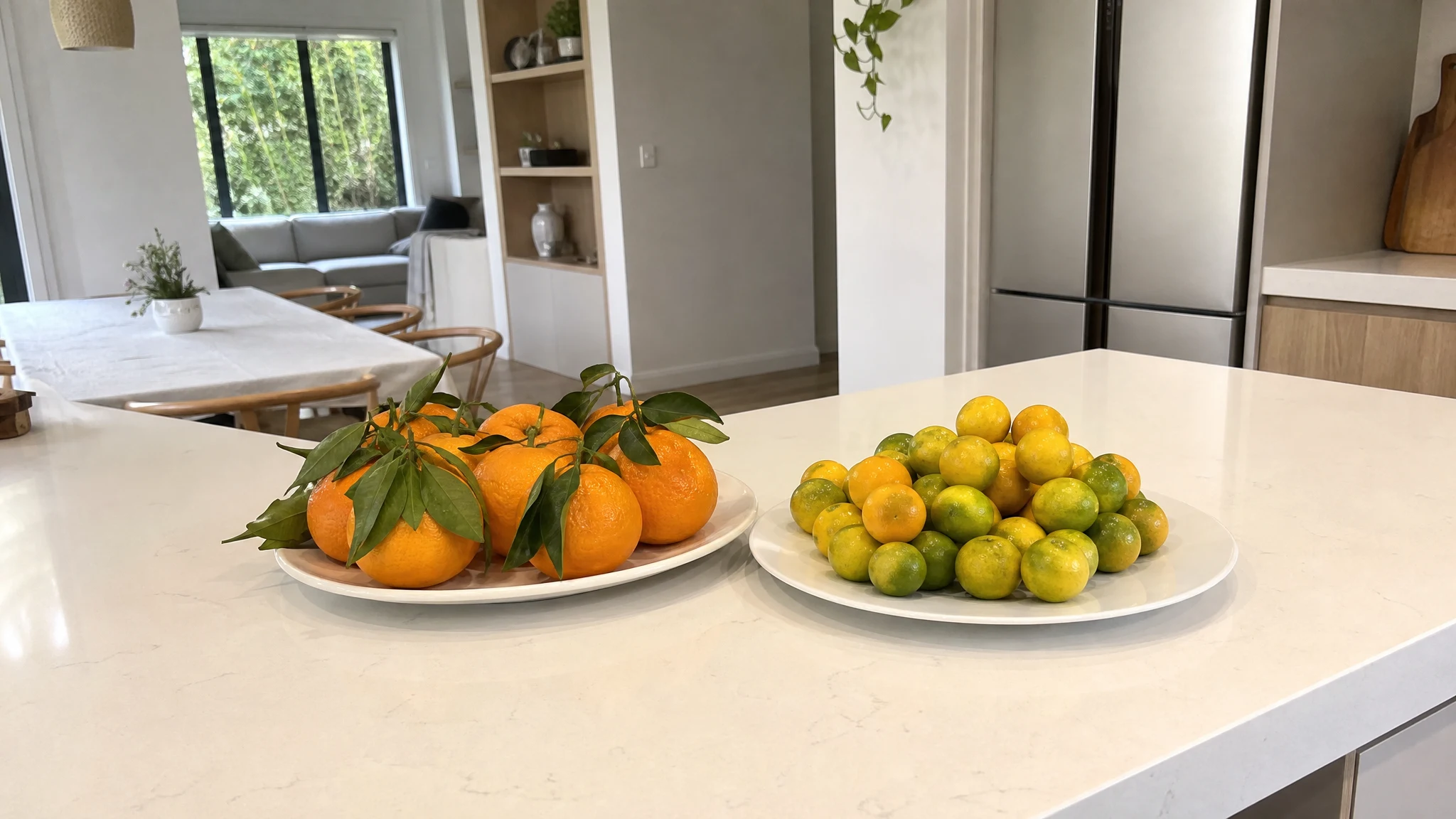
Mandarin oil comes in a green to green-brown type and an orange to red-amber type, according to EFSA. A label that says green or red is simply telling you which product you have. The certificate we publish lists the appearance of its batch as "Green liquid". Treat any claim that one colour is better as a marketing choice, since nothing we read ranks them.
Origin: ask instead of assume
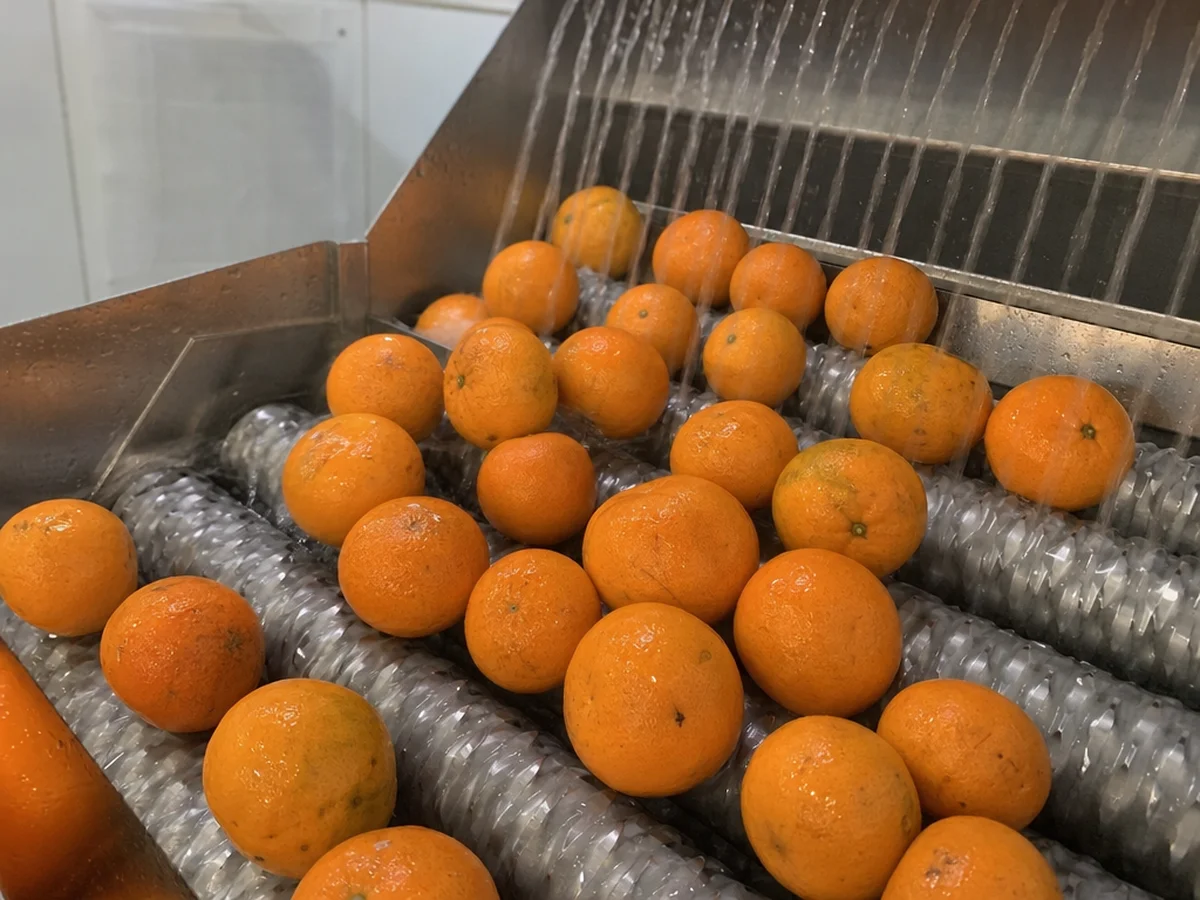
The ISO standard describes a type of oil and says nothing about where the fruit for a particular bottle grew. EFSA's ten analysed batches came from Italy except one green batch from Brazil, a reminder that mandarin oil is made in more than one country. If origin matters to you for a formula or a customer claim, ask for it in writing for the specific lot, along with how it was confirmed.
Lot code and best-by date
A lot code earns its keep only when the code on the bottle matches the code on the paperwork. Do not try to decode one; just check that they agree. A best-by date in the future is the other half. The Tisserand Institute explains that heat, light and moisture drive oxidation and that oxidized oils lose some of their freshness, which you notice most against a fresh bottle. The best-by date for the batch on our published certificate has passed, so for any order we would encourage you to ask us in writing for the lot and date that will ship to you.
The line that is usually missing: sun
Most bottles carry nothing at all about sunlight. The Tisserand Institute states that expressed mandarin and tangerine oils contain extremely small amounts of furocoumarins, not enough to make them phototoxic, and quotes the IFRA and EU maximum of 15 ppm bergapten for the products it covers. That is a general statement about expressed mandarin oil, and not a measurement of any particular bottle. If you are making a leave-on product for sun-exposed skin, the sensible step is to request a bergapten figure for your lot, and our IFRA article shows how that number gets used.
Words that need a document
"Natural", "top grade", "organic" and "lab tested" are claims, and each one needs a named document with a lot and a date behind it. We make no organic claim for our oil, and we would suggest holding anyone's labels to the same standard. Health promises deserve extra care: the FDA's aromatherapy page explains that a product intended only to cleanse or beautify is a cosmetic, while claims such as easing pain are drug claims, judged from labeling, websites and advertising. A label that promises an effect on the body is describing a different kind of product.
Keep a label file
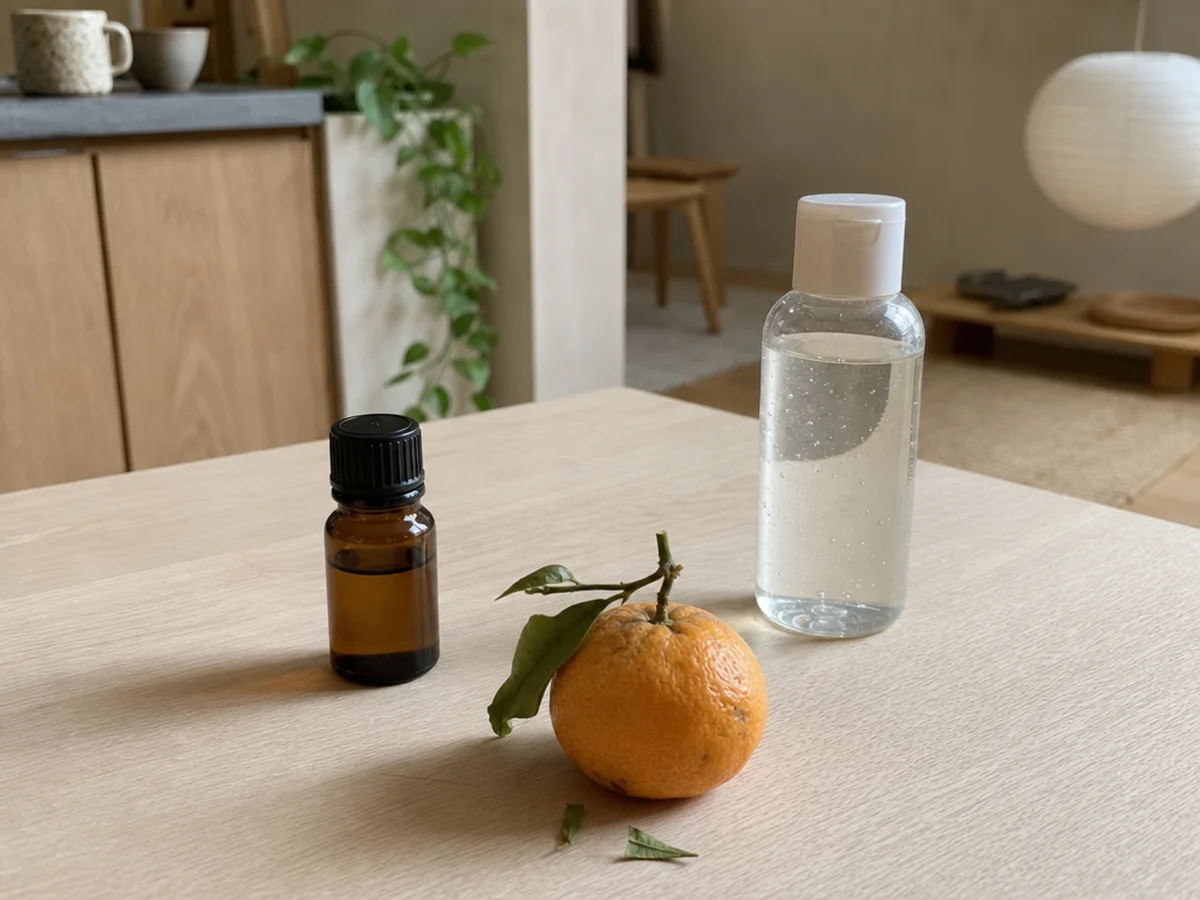
A small habit saves a lot of confusion later. When a new bottle arrives, take a photo of the label or write down the botanical name, the lot code and the date, and put them in one folder or notebook along with any paperwork. Months later, when you are wondering which bottle went into a blend, you can look it up in a minute instead of guessing.
The two-minute checklist
- Botanical name, plant part and extraction all present.
- Type or colour stated, if the seller offers both.
- Origin only if it will be put in writing for your lot.
- Lot code on the bottle matching the document, and a best-by date still ahead of you.
- A sun statement or a bergapten figure for leave-on use.
A bottle can pass every line and still be wrong for your purpose, so use the list to decide what to ask. For the documents that sit behind the label, our COA guide goes through the sheet we publish line by line.
Mandarin Essential Oil
Mandarin Essential Oil from our own shop, in sizes from 0.5 oz to bulk.
From $12.99
Shop Now →Sources & Further Reading
- EFSA FEEDAP Panel, 2021. Safety and efficacy of a feed additive consisting of expressed mandarin oil from the fruit peels of Citrus reticulata Blanco for use in all animal species (FEFANA asbl). EFSA Journal.
- ISO, 2012. Essential oil of mandarin, Italian type (Citrus reticulata Blanco), ISO 3528:2012.
- Tisserand Institute. Phototoxicity: essential oils, sun and safety.
- Tisserand Institute. Is my bottle of essential oil oxidized or no longer good to use?
- US FDA. Aromatherapy.