Mandarin Peel Oil vs Petitgrain: Fruit or Leaf?
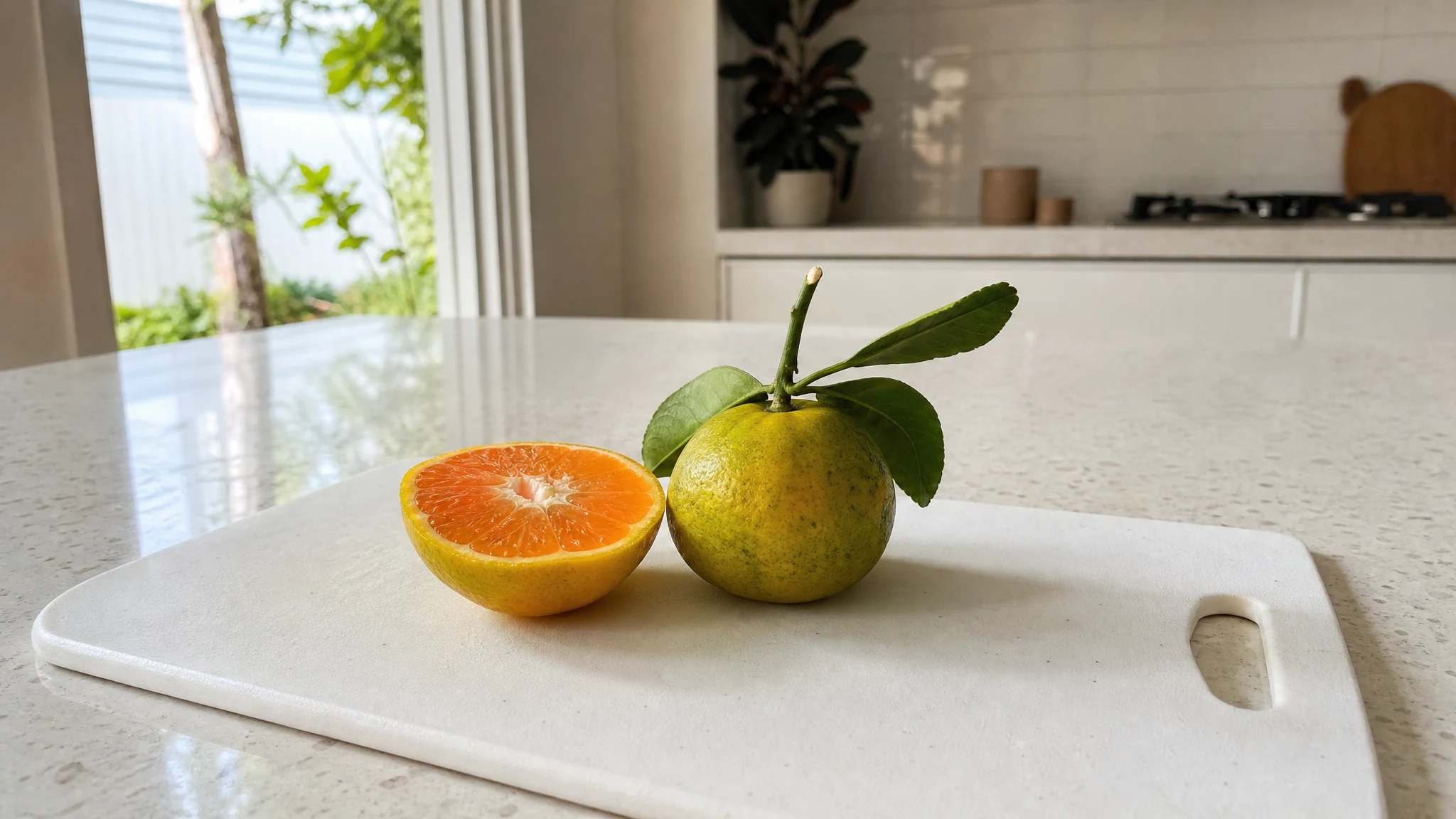
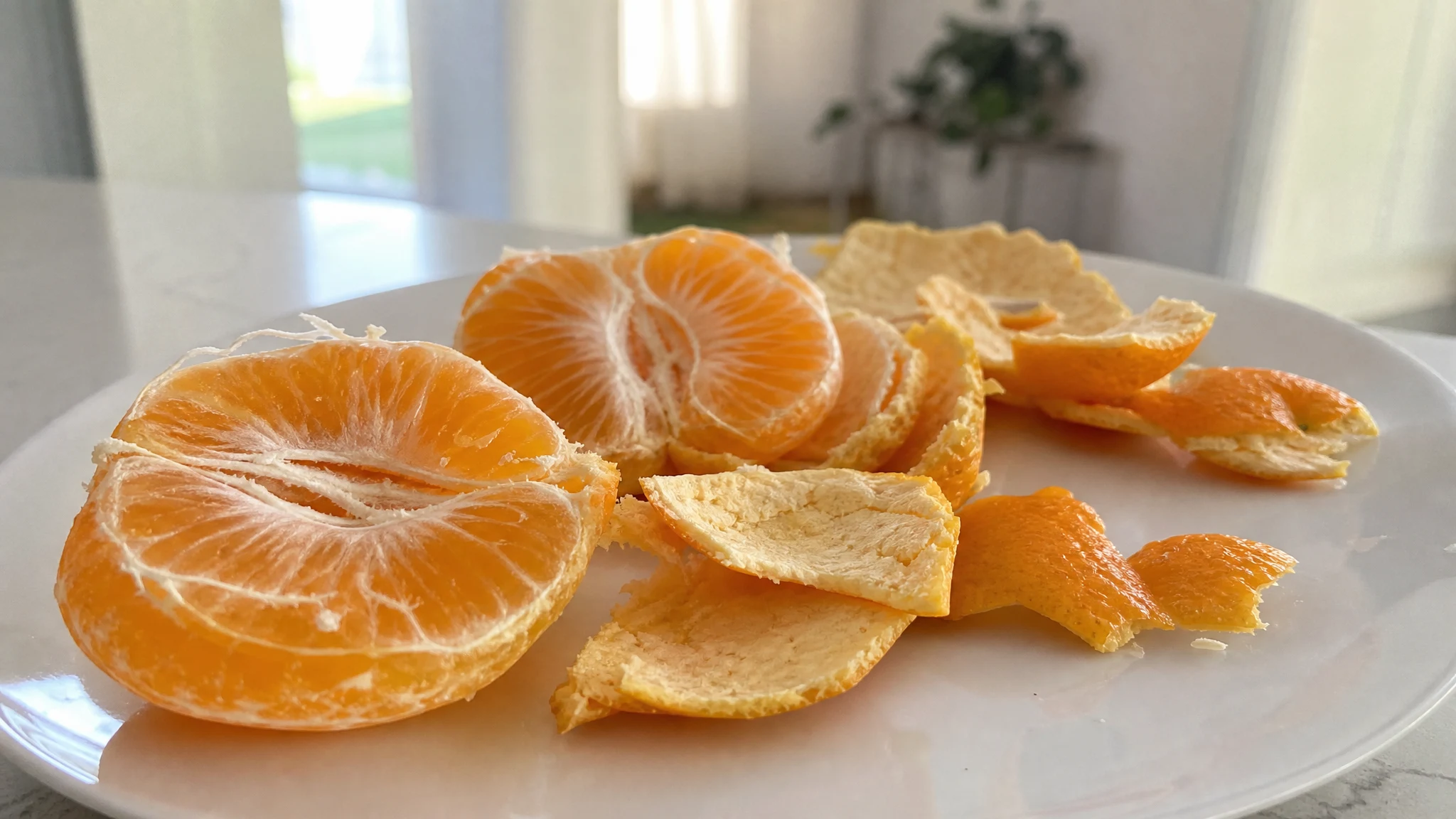
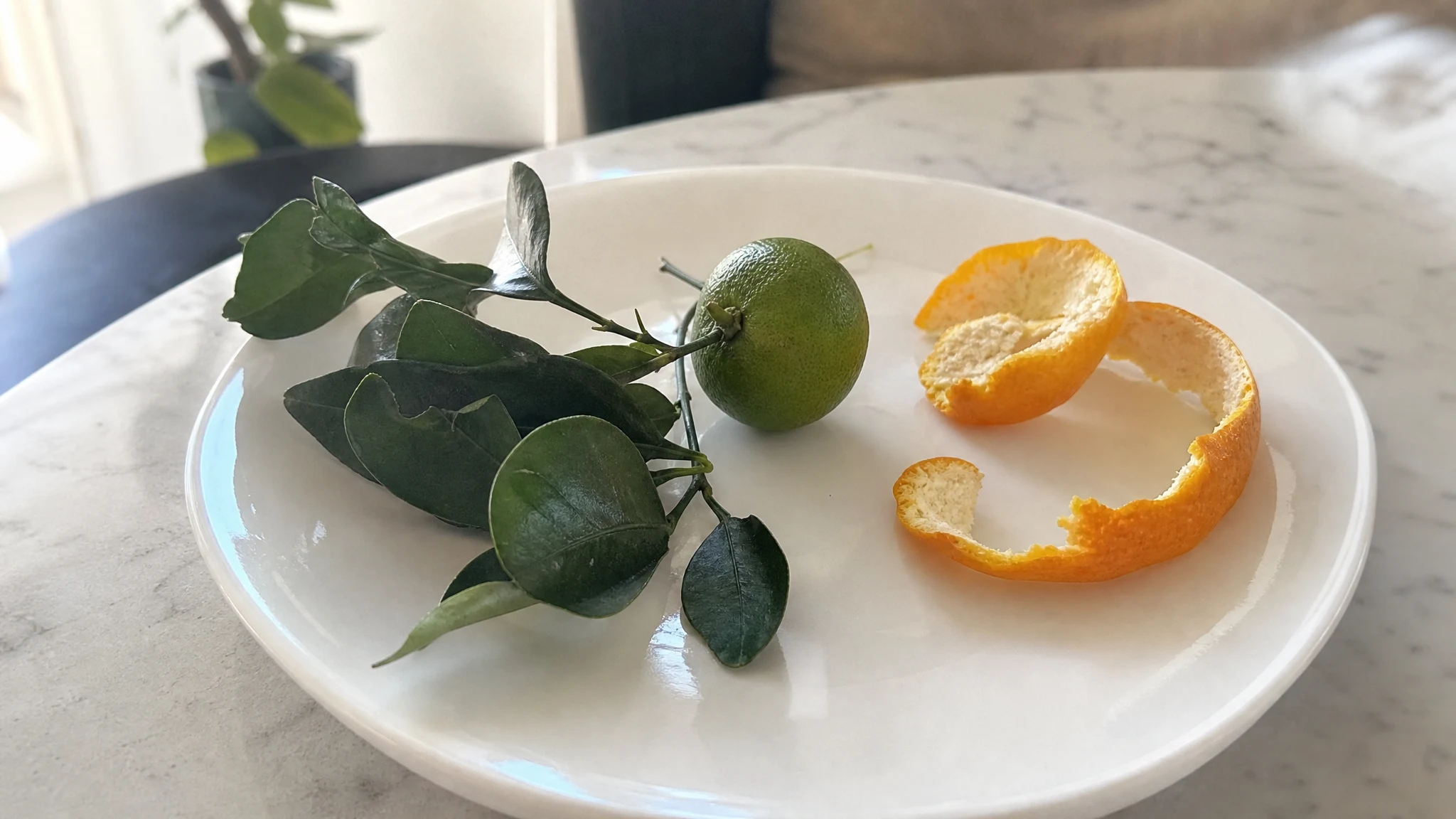
Open a few supplier catalogues and you will find "mandarin" attached to more than one oil. One is pressed from the fruit's rind and smells like a mandarin peeled at the kitchen table. Another is distilled from the leaves and twigs of the same tree and is called petitgrain. They share a species and a name, and very little else.
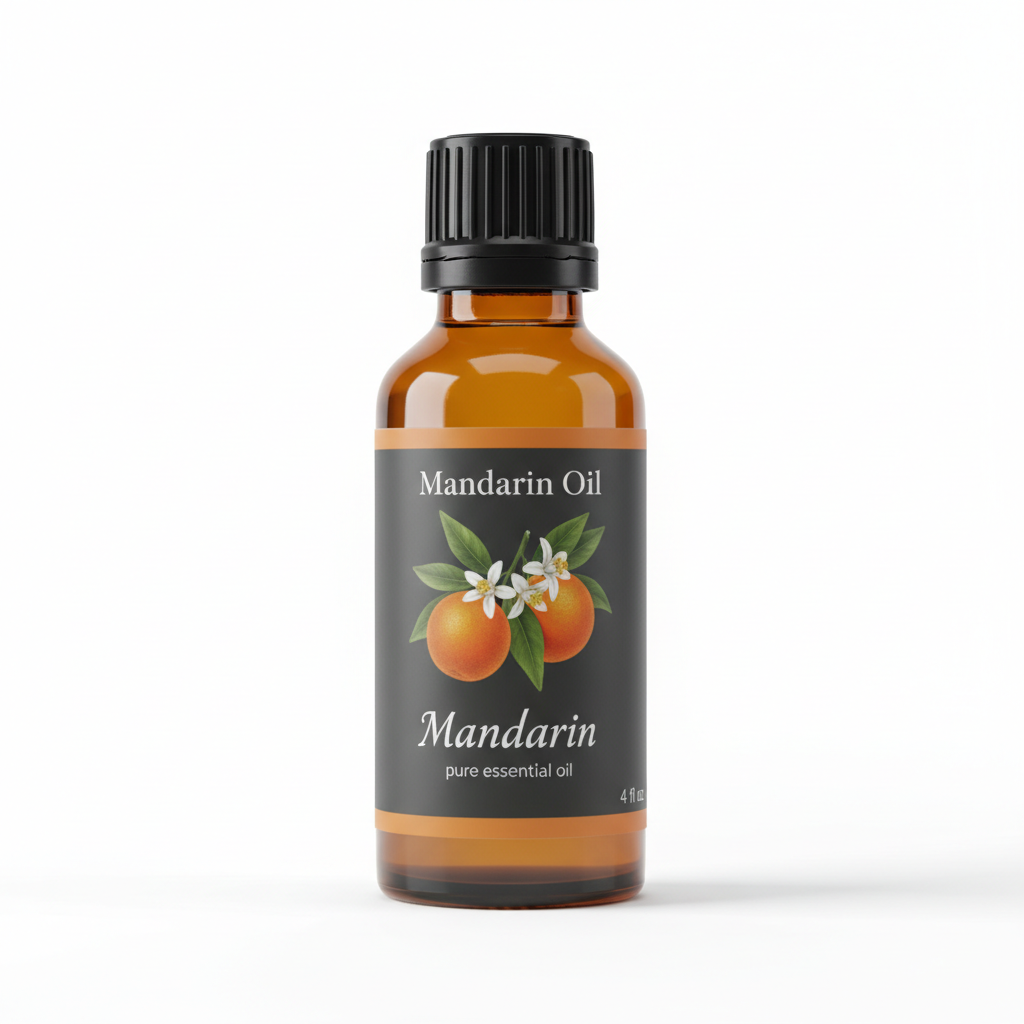
Mandarin Essential Oil
Our own Mandarin Essential Oil, in sizes from 0.5 oz to bulk.
From $12.99
Shop Now →One tree, three possible bottles
The mandarin oil we sell is cold-pressed from the peel of Citrus reticulata, and the Certificate of Analysis we publish for one batch lists the part as peel and the extraction as cold pressed. We do not sell petitgrain. If you are shopping for either, two words on the label settle most of the question: the plant part and the method. Peel that has been pressed, peel that has been distilled, and leaf that has been distilled are three different materials, and "distilled mandarin" on its own does not tell you which one you are holding.
What the peel oil is made of
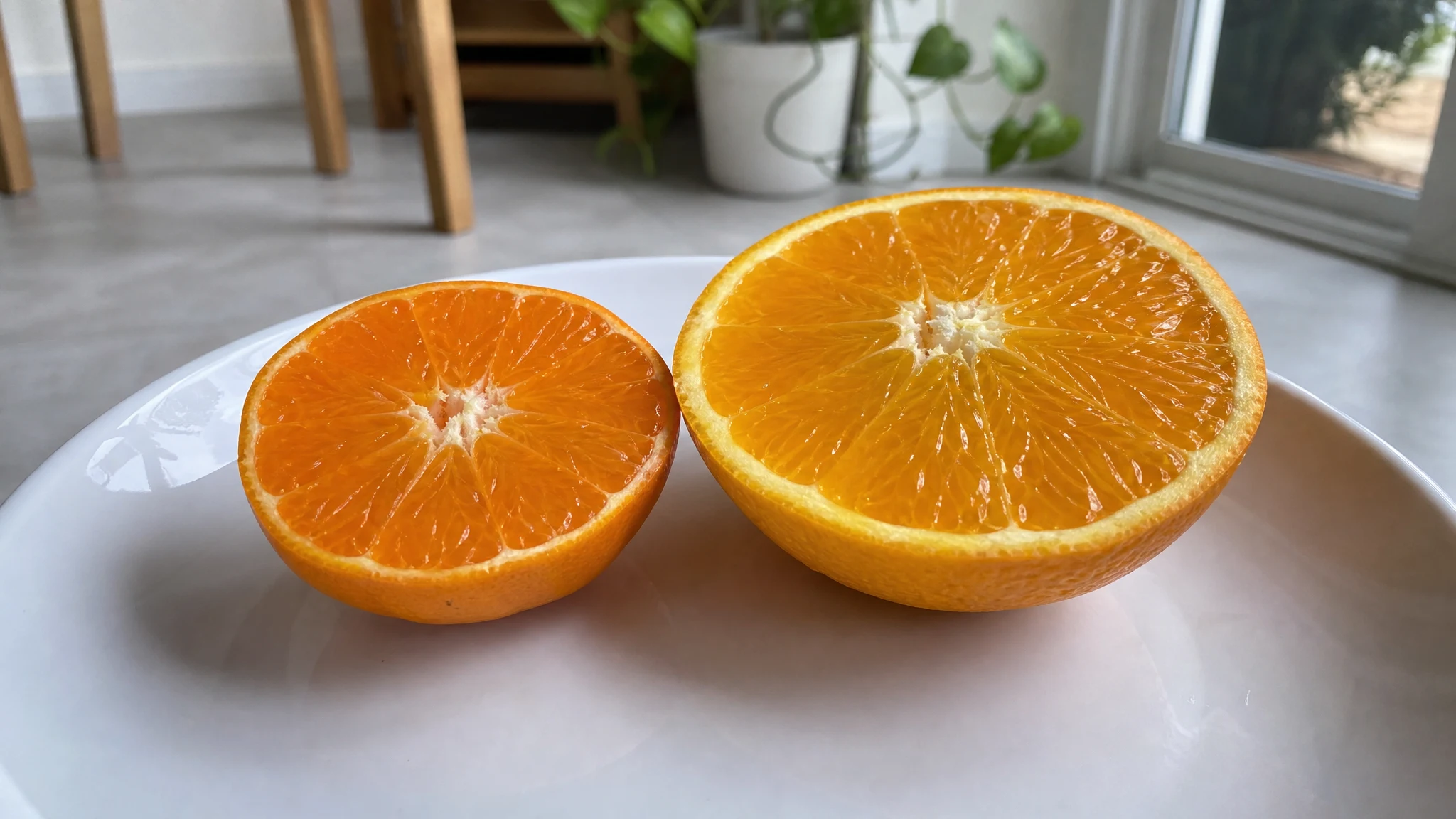
Peel oil is mostly terpene hydrocarbons, and limonene leads. In a laboratory comparison of peel oils from three citrus species, a cold-pressed Ponkan mandarin came in at about 75% limonene with roughly 10% gamma-terpinene, while the same fruit's hydrodistilled oil measured about 68% limonene and a similar share of gamma-terpinene (Lu and colleagues, 2019). That is one fruit lot, so read it as an illustration of the family, not a specification. Limonene is a big part of why peel oil smells juicy and fresh from the first sniff, and gamma-terpinene adds a softer, rounder edge.
Why petitgrain is its own story
Leaf oils play a different game. A team distilling the leaves of six mandarin cultivars grown in Nigeria identified 57 compounds and found that sabinene, gamma-terpinene, p-cymene, delta-3-carene and (E)-beta-ocimene varied the most from tree to tree (Kasali and colleagues, 2010). Their introduction is where the petitgrain story gets interesting. Mandarin petitgrain is prized for an aroma compound called methyl N-methylanthranilate, which the authors describe as valuable because it does not discolor or form condensation products in the presence of aldehydes. They also note that distilling mandarin leaves and twigs has occasionally produced an oil with none of it, and that leaf oils fall into three chemical types while peel oils fall into two.
The practical reading, and this is our conclusion from those findings, is that "petitgrain mandarin" names a kind of oil rather than a guaranteed recipe. Two bottles with the same name can smell and behave quite differently. If that marker compound is the reason you want petitgrain, ask the supplier for a gas chromatography report on your lot that shows it.
A simple smelling test
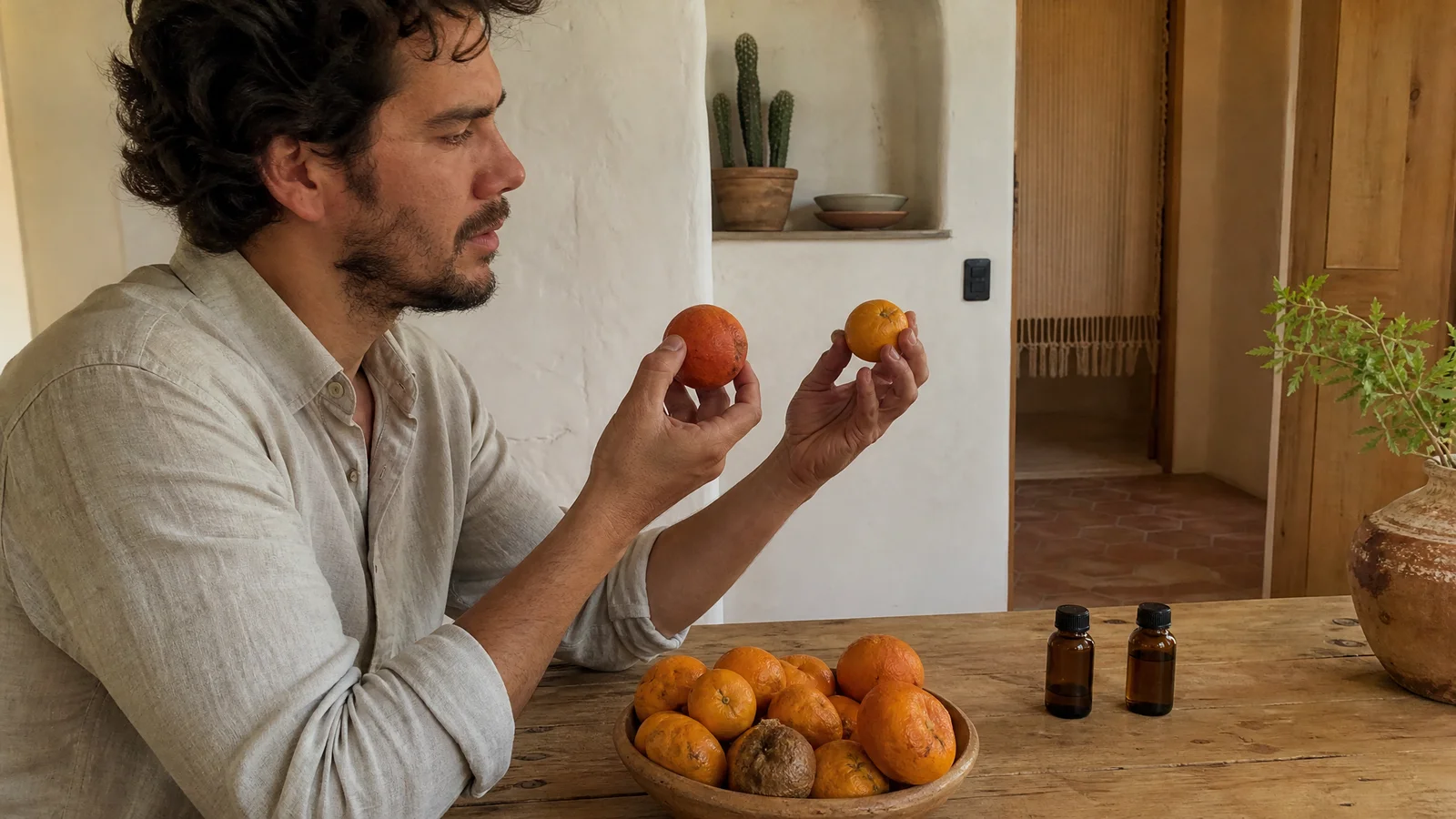
If you can get both oils in front of you, do it the old-fashioned way. Put a drop of each on its own strip of plain paper, label the strips in pencil, and hold them under your nose one at a time, with a few breaths of fresh air in between. The peel oil is the one that smells like fruit: sweet, mellow and juicy, with a faint floral hum behind it. A leaf oil is a different kind of smell, and you will notice the shift straight away, because it leans less toward juice and more toward the green side of the tree.
Come back to the strips after ten minutes, and again after an hour. You will notice that the brightest part of a citrus smell thins out first, which tells you a lot about where each oil will sit in a blend. Write your impressions down beside each strip, because memory is a poor judge of scent by the next morning.
How to choose between them
Think about what you want the oil to do in your project.
- A bright, sweet, fruity top note for a room scent, a bath oil or a perfume opening points to peel oil. You can read more about the aroma in our scent profile.
- A leaf-derived oil with its own character points to petitgrain, which you would buy from a perfumery or aromatherapy supplier and judge by the supplier's report.
- Cold-pressed versus distilled peel is a separate choice, covered in our post on pressed and steam-distilled mandarin.
What our certificate tells you
The certificate for the batch we publish reports appearance, smell, a relative density of 0.852, a refractive index of 1.471 and an optical rotation of +69.80 degrees, plus the peel and cold-pressed declaration. Those three measurements describe the oil as a whole. They do not break out limonene or any other compound, so if you need to confirm composition, ask us in writing through the contact page and we will tell you what we can provide. For how pressing works from fruit to bottle, see how mandarin peel oil is made, and for the chemistry in more depth, mandarin oil chemical composition.
It is easy to buy on the strength of a lovely description, so we suggest writing the plant part and the method on a card before you start shopping. Then you can hold every label up against it. It sounds fussy, but it takes the pressure off a long catalogue page full of similar names, and it keeps a pretty product photo from doing your deciding for you.
Once you know which part of the tree your oil comes from, the rest of a label becomes much easier to read, and picking the right bottle for your project gets a lot simpler.
Mandarin Essential Oil
Mandarin Essential Oil from our own shop, in sizes from 0.5 oz to bulk.
From $12.99
Shop Now →Sources & Further Reading
- Kasali A.A. and colleagues, 2010. Citrus Essential Oils of Nigeria Part IV: Volatile Constituents of Leaf Oils of Mandarins (Citrus reticulata Blanco) From Nigeria. Records of Natural Products 4(3):156-162. acgpubs.org
- Lu Q. and colleagues, 2019. Peel oils from three Citrus species: volatile constituents, antioxidant activities and related contributions of individual components. Journal of Food Science and Technology. PubMed Central