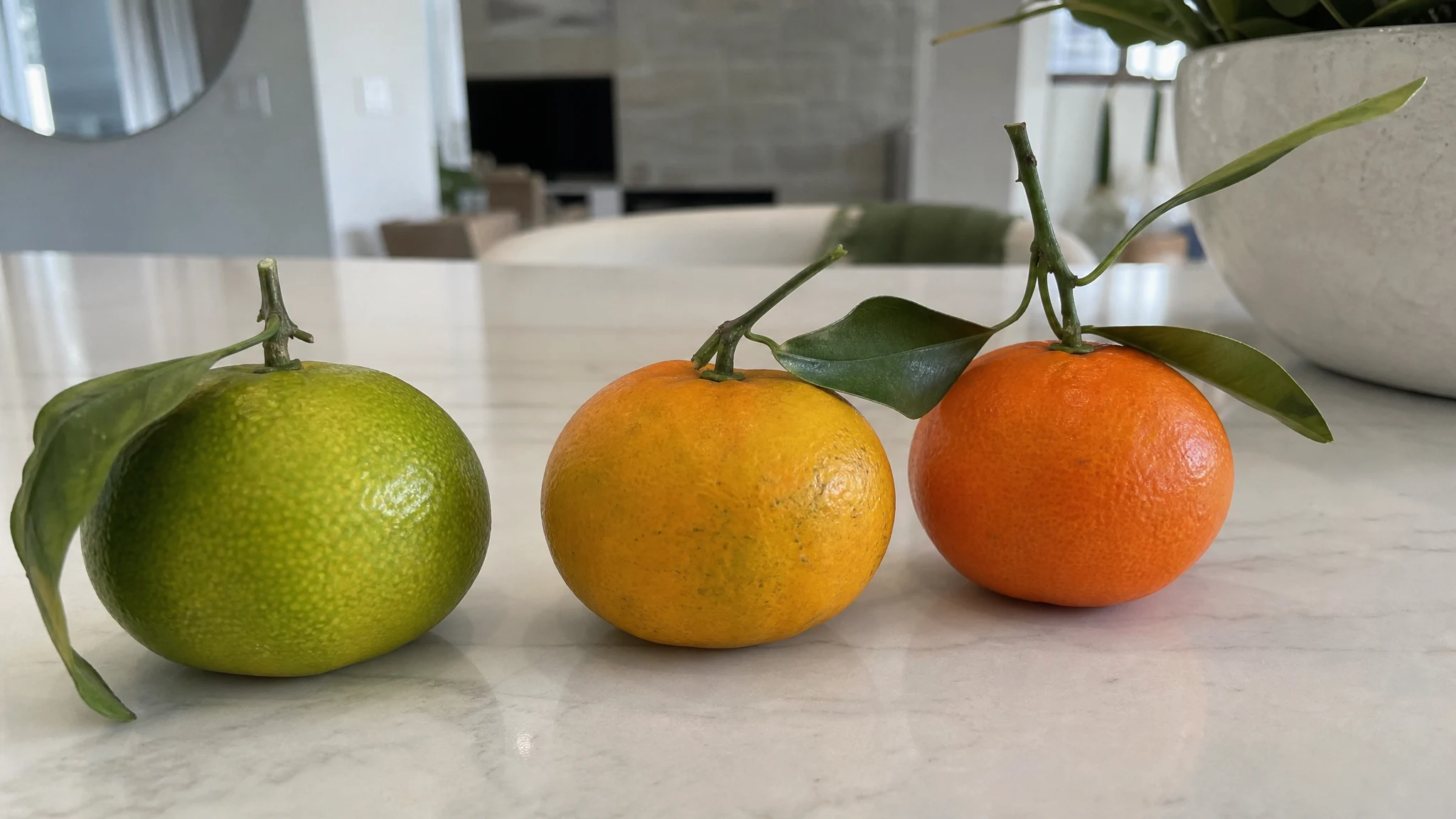
Mandarin vs Lemon Oil: Which Citrus Suits You?
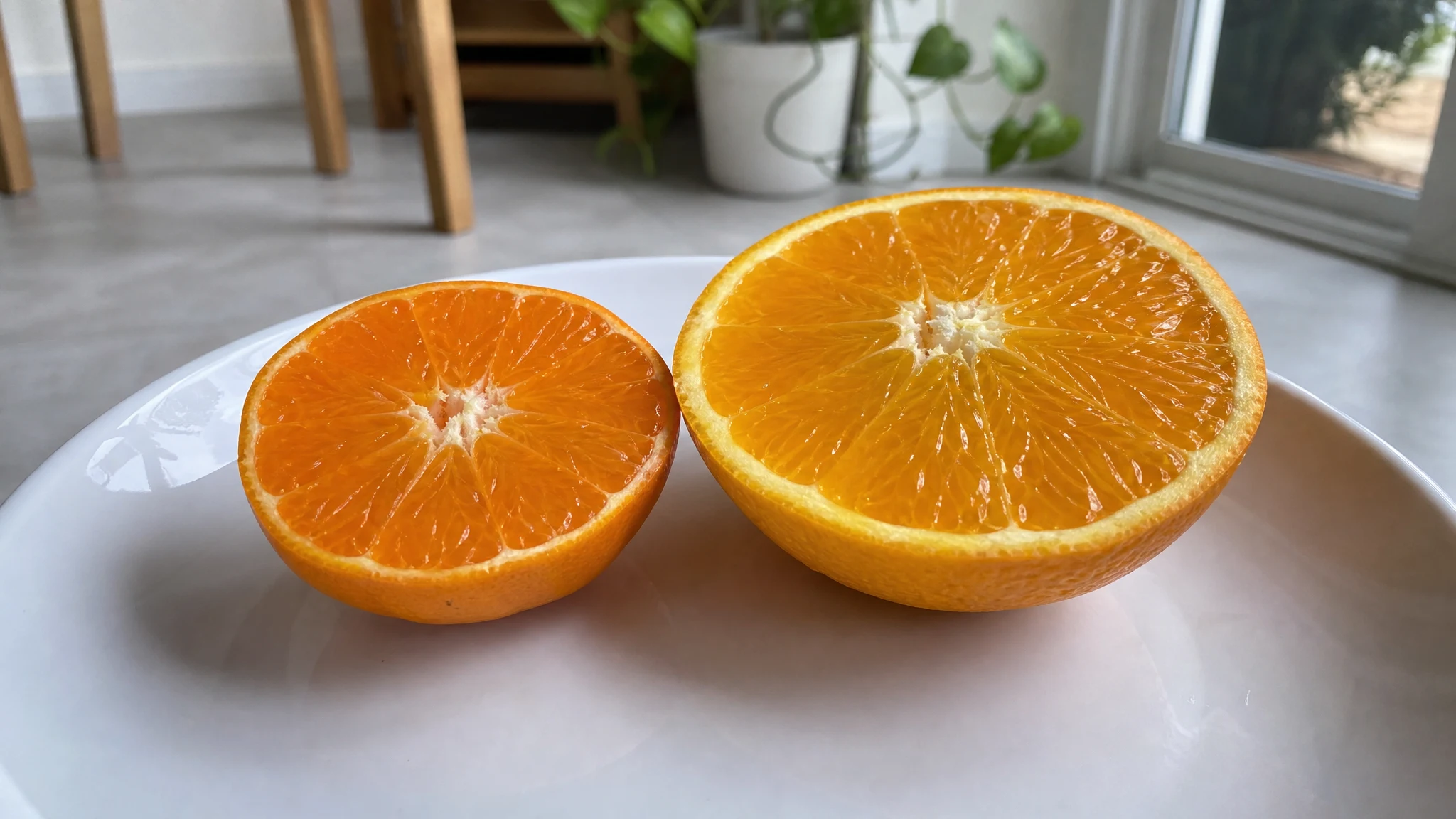
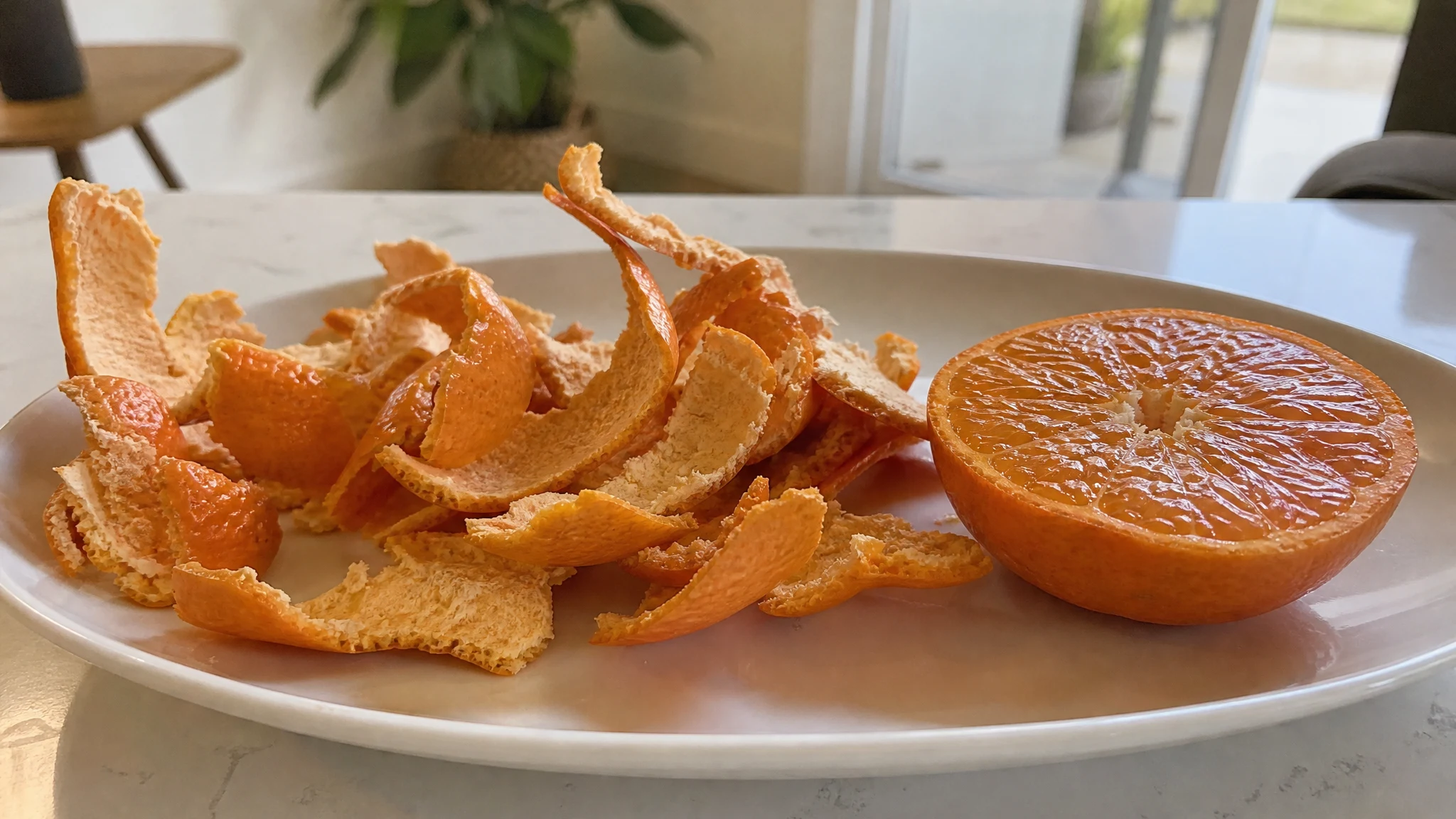
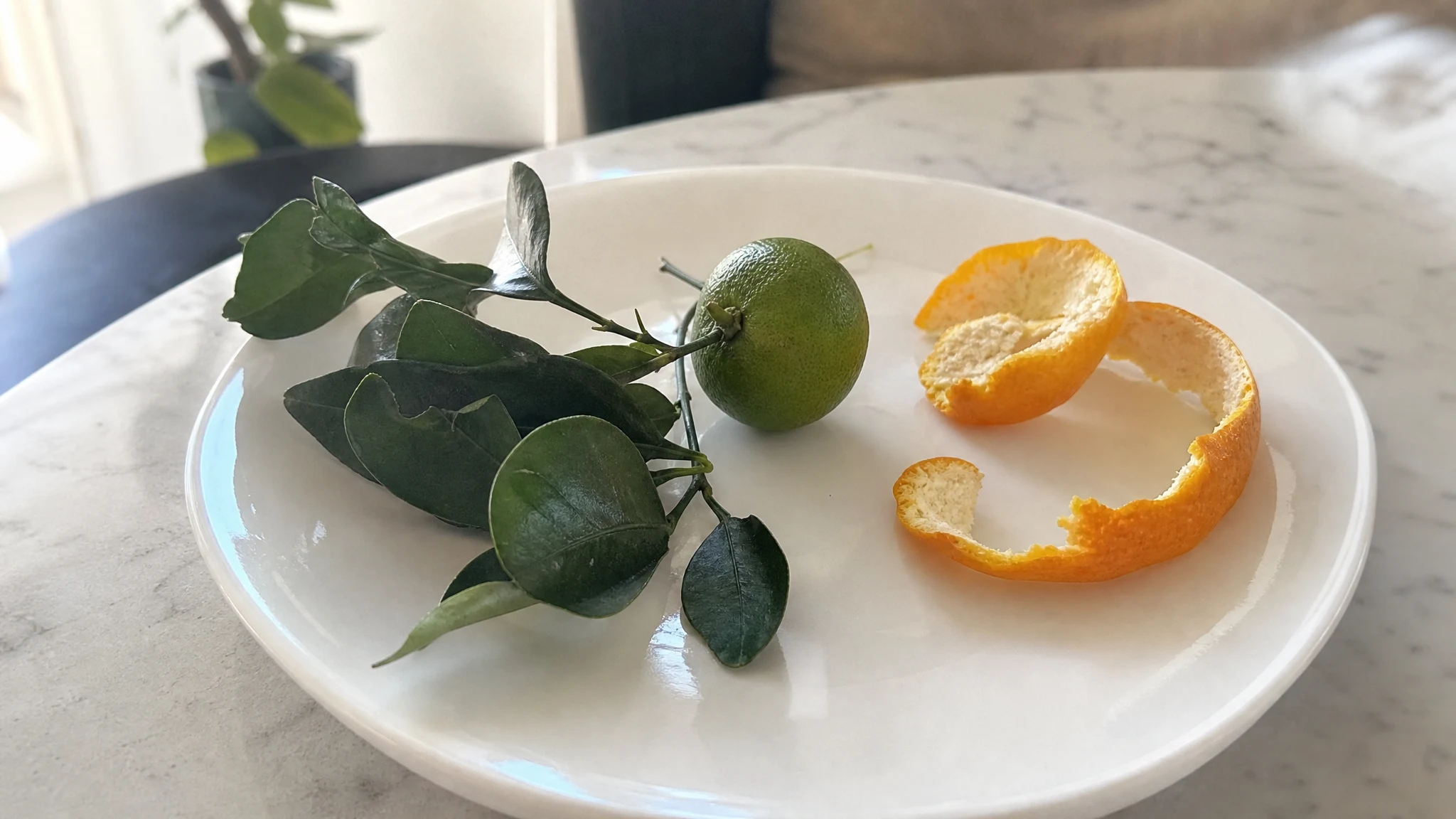
Hold a freshly cut mandarin under your nose and then a freshly cut lemon. One is soft, sweet and almost sherbet-like. The other is sharp enough to make you blink. Both oils come from pressing citrus peel, so what is it in the bottle that makes them so different?
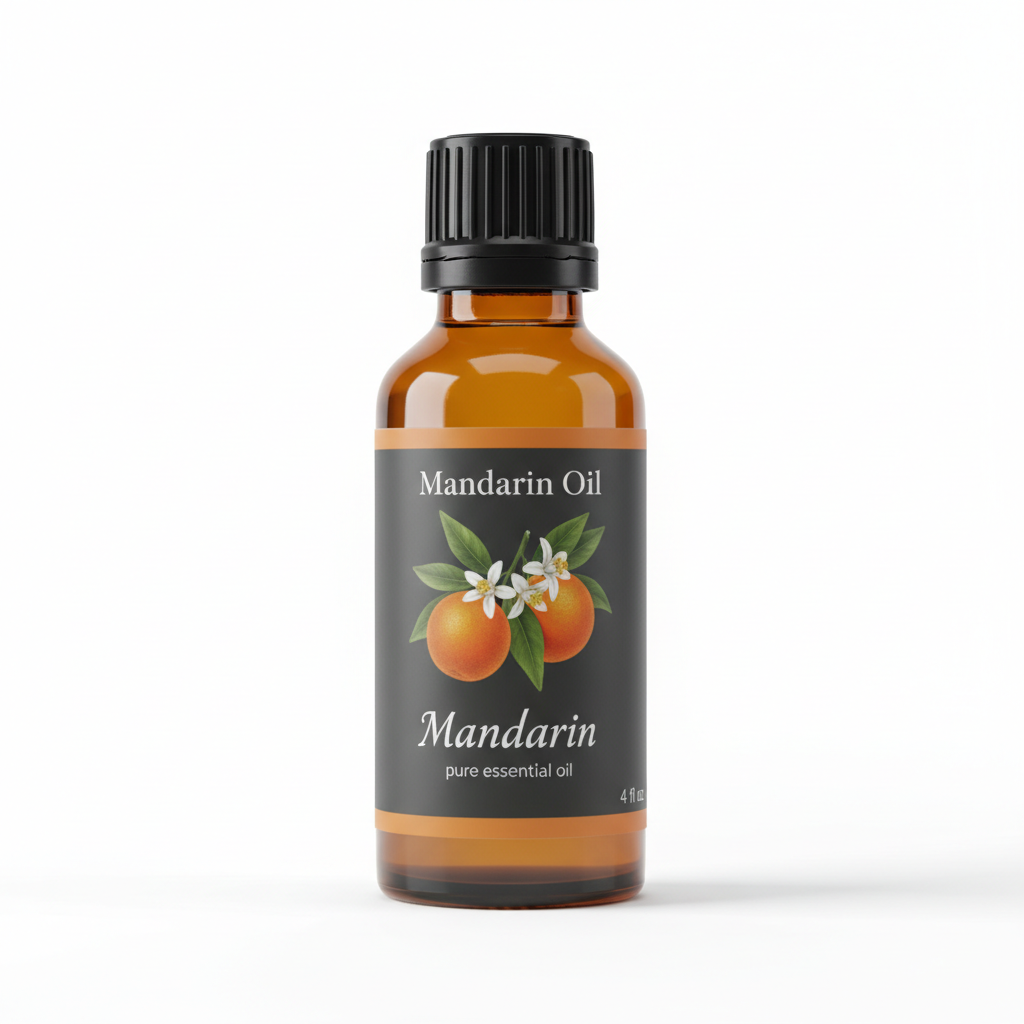
Mandarin Essential Oil
Our own Mandarin Essential Oil, in sizes from 0.5 oz to bulk.
From $12.99
Shop Now →Two oils, two fingerprints
A laboratory study of cold-pressed peel oils from three citrus species gives us a useful side-by-side (Lu and colleagues, 2019). Each figure below is one fruit lot, so it shows how the species can differ, not a specification for any commercial oil.
| Cold-pressed peel oil | Limonene | Beta-pinene | Gamma-terpinene | Citral |
|---|---|---|---|---|
| Ponkan mandarin | 74.9% | 1.3% | 9.7% | none listed |
| Eureka lemon | 55.5% | 16.9% | 11.8% | 1.1% |
The gap that jumps out is beta-pinene, which is about thirteen times higher in the lemon. Add a measurable share of citral, the compound behind lemon-peel zing, and you have a good explanation for the sharpness. This is our reading of the table, not a smell panel. The mandarin, meanwhile, is mostly limonene with a gentler supporting cast, which fits the sweet, mellow and juicy aroma we describe for our oil, with its faint floral hum.
The same paper found that distilling lemon peel gave more citral than pressing it. So a lemon from a distiller is not quite the same oil as one from a presser, and it is worth asking which you are buying.
What the two share
Both are pressed peel oils built mostly on limonene, and that gives them common ground in how they behave.
- They are fast to fade. Both belong to the top-note family, so in a perfume or room scent they open the blend and leave before the heart does.
- They are happiest fresh. The Tisserand Institute notes that oxidation is encouraged by heat, light and moisture, that citrus oils sometimes go cloudy as they oxidise, and that refrigeration about doubles an oil's useful life. We suggest buying small, reordering often and keeping the bottle tightly capped in a cool, dark place.
- They both need dilution. Neither should go on skin neat. Our guidance for mandarin is 0.5% to 2% in a carrier oil, a patch test first, and starting at the low end if citrus oils are new to you.
Why people love the pairing
Plenty of citrus lovers end up with both, because they do such different jobs. Lemon gives a blend its sparkle, and mandarin gives it a soft landing. If you like layered scents, try a drop of each on one strip and watch how the sharpness settles into sweetness as the minutes pass.
The sun question
Expressed citrus oils are the family that sun guidance focuses on. IFRA's rule for citrus oils containing furanocoumarins is that they should not be used in leave-on products such that the bergapten level goes above 15 ppm, and the Tisserand Institute lists expressed mandarin among oils with extremely small amounts of these compounds. That is a general statement about expressed mandarin, not a measurement of our batch, and our certificate does not include furocoumarin data. If you plan a leave-on product for sun-exposed skin, ask us in writing for what we can provide, and keep that area out of strong sun until you have a figure. Lemon is a separate case and its limits come from your lemon supplier's paperwork.
Side by side on a paper strip
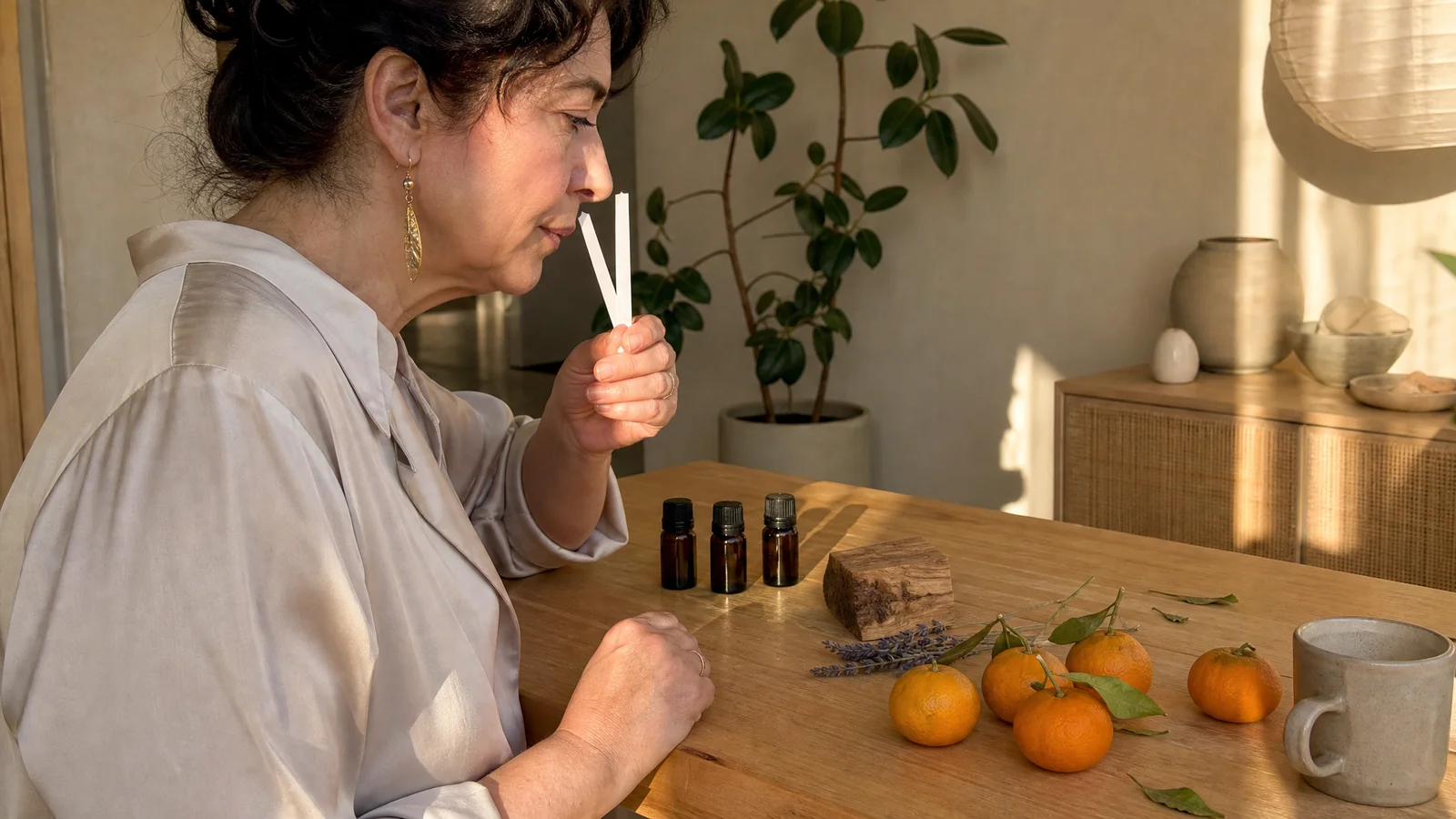
If you have both oils, try this. Put a drop of each on a separate strip and sniff them one after the other. Lemon hits first and hard: clean, sharp, a little zesty. Mandarin arrives more slowly, sweet and rounded, and you may notice the faint floral shading beneath it. Wait a few minutes and smell again. Both fade, but the lemon's snap leaves earlier and the mandarin's softness lingers a little longer.
Where each one shines
Lemon suits a kitchen or a room you want to feel fresh. Mandarin suits places where you want a softer welcome: a diffuser in the evening, a linen spray, a bath oil or a diluted massage blend. They are not rivals, just different moods, and plenty of people keep both on the shelf.
If you are only picking one to start with, ask yourself what you will reach for on an ordinary Tuesday evening. That usually settles it.
Which to reach for
If you want the room to smell bright and awake, lemon does that job. If you want something softer and rounder, with a sweetness that suits evening scenting, bath oils and scrubs, mandarin is the one. They also sit well together in a blend, with lemon adding the snap and mandarin cushioning it.
We sell mandarin only, cold-pressed from the peel and sold neat, from 0.5 oz to 400 lb. Lemon is something to pick up from an aromatherapy or soap supplier. When you do, ask whether it is pressed or distilled and whether the paperwork covers sun use. For more of the family, see our citrus comparison and mandarin and bergamot, and for the details of aroma, what mandarin oil smells like. To keep a bottle at its best, read how to store mandarin oil.
Two peels, two personalities: one makes a room sparkle, the other makes it feel like a warm afternoon.
Mandarin Essential Oil
Mandarin Essential Oil from our own shop, in sizes from 0.5 oz to bulk.
From $12.99
Shop Now →Sources & Further Reading
- Lu Q. and colleagues, 2019. Peel oils from three Citrus species: volatile constituents, antioxidant activities and related contributions of individual components. Journal of Food Science and Technology. PubMed Central
- Tisserand Institute. Phototoxicity: essential oils, sun and safety. tisserandinstitute.org
- Tisserand Institute. Is my bottle of essential oil oxidized or no longer good to use? tisserandinstitute.org