Mandarins at Lunar New Year: Why They Mean Gold and Luck
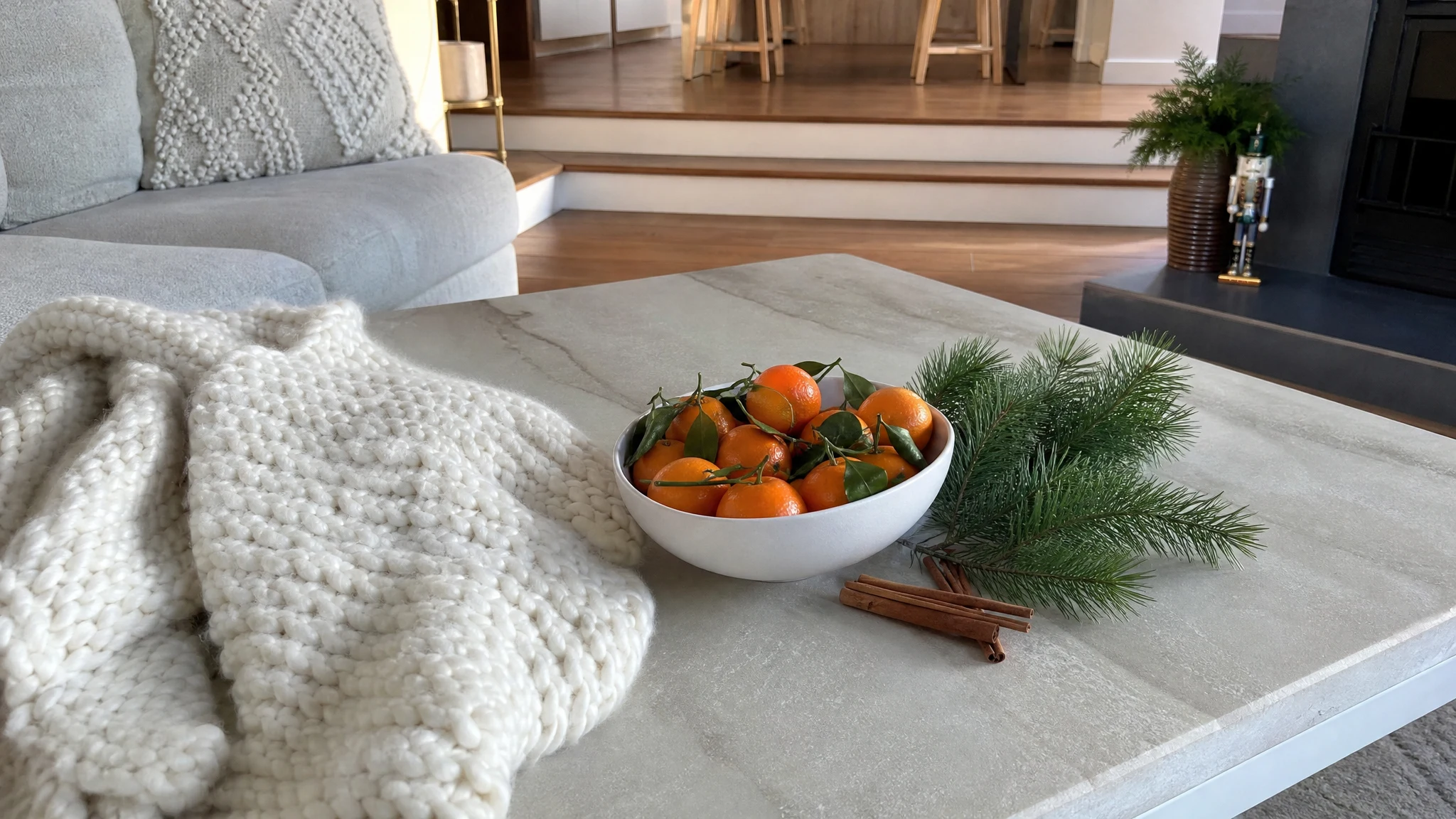
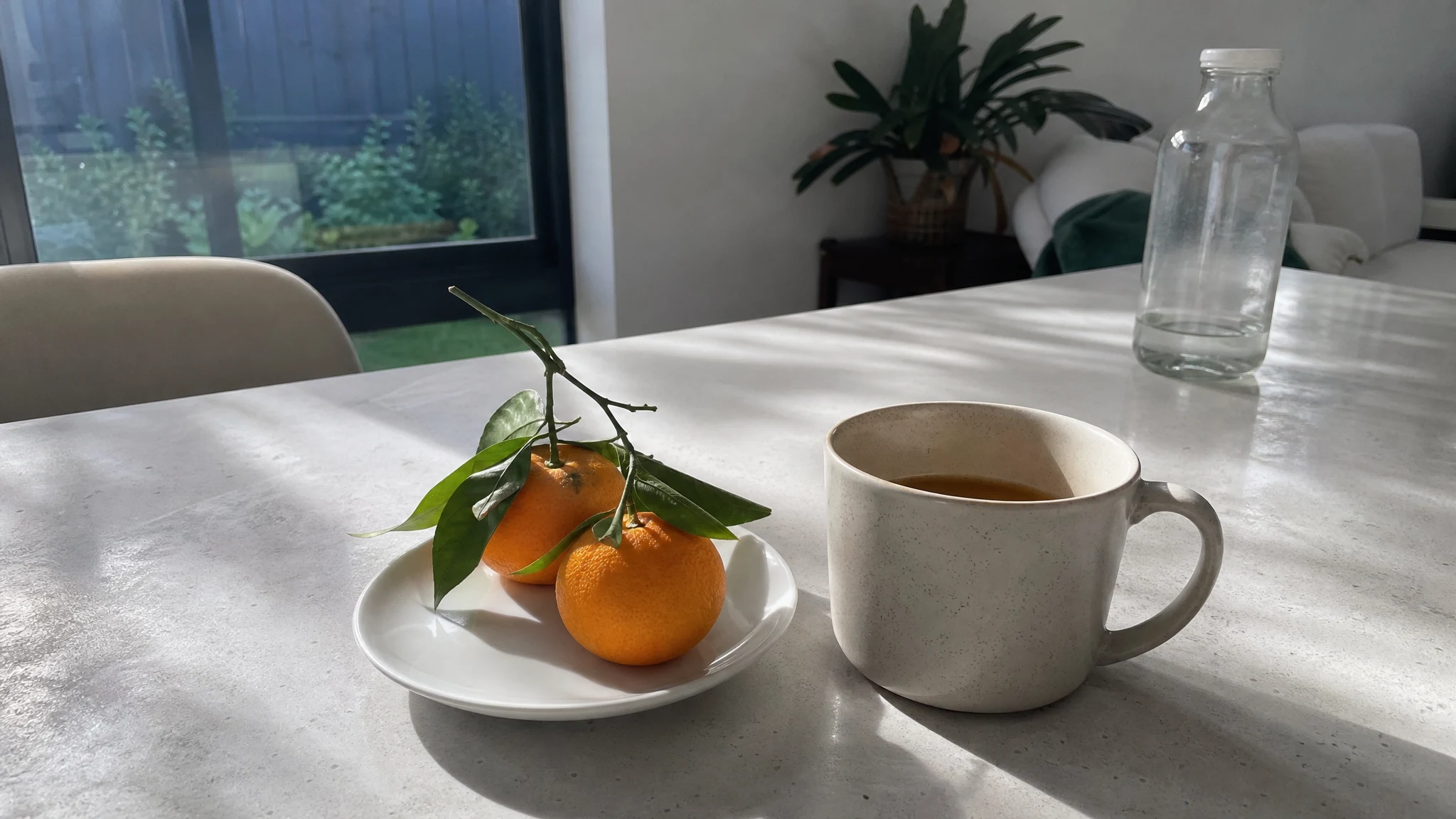
Walk into a home during Lunar New Year and you will likely see mandarins piled in a bowl or stacked in a gift box. It is not just because they are in season and easy to peel. The fruit is a pun, and which pun depends on the dialect you speak.
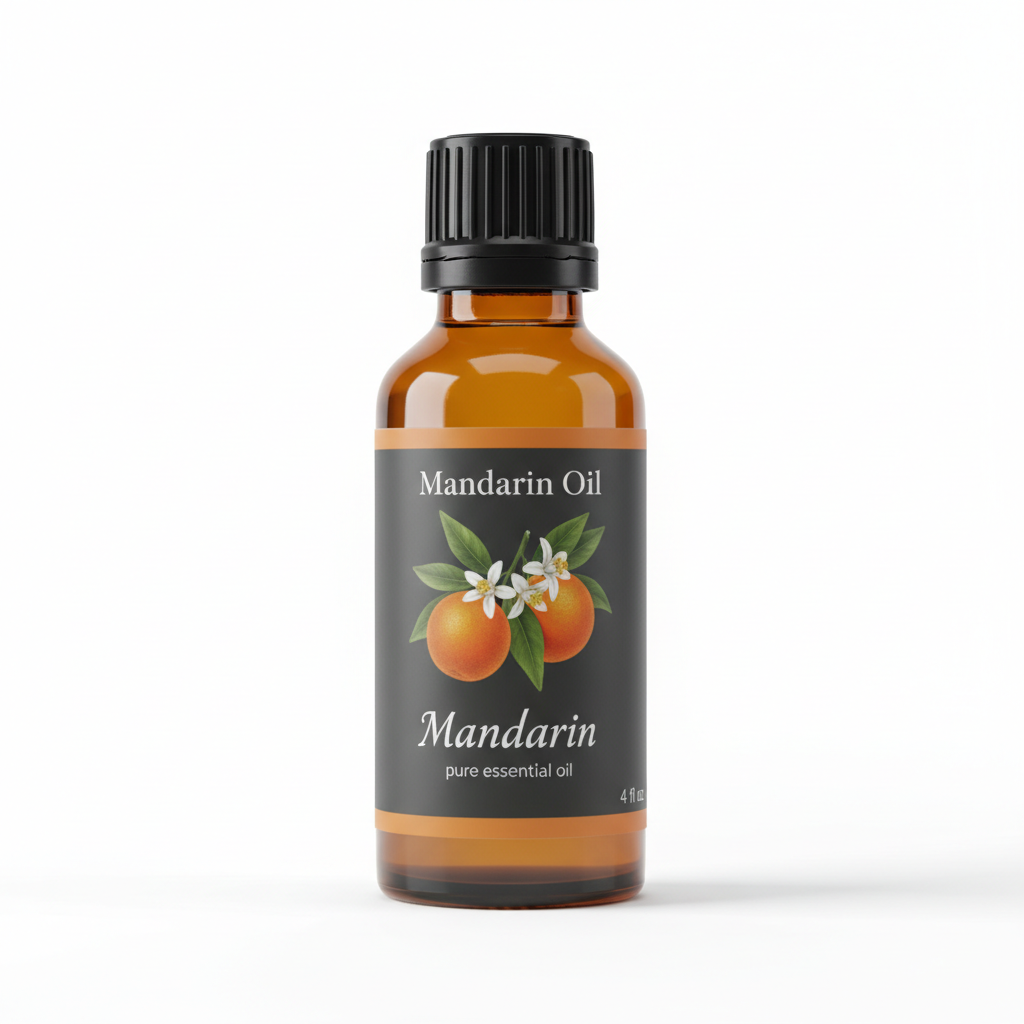
Mandarin Essential Oil
Our own Mandarin Essential Oil, in sizes from 0.5 oz to bulk.
From $12.99
Shop Now →A fruit that looks like money
The simplest explanation is the one that is hardest to argue with. The Horniman Museum in London, describing a Hong Kong paper offering, notes that mandarin oranges are the most popular and abundant fruit during Chinese New Year. The anthropologist David K. Jordan, writing about oranges as symbols of happiness, puts the visual side plainly: at New Year, pretty much any round, yellowish fruit is thought to look like money. That is why oranges, tangerines and kumquats all turn up as decoration.
Gold in Cantonese
The best known pun is Cantonese. Jordan explains that the word gam for a mandarin or tangerine (柑) is exactly homonymous with another Cantonese word, gam, meaning gold. So giving or displaying mandarins, and the more the better around the New Year, reads as a wish for gold. Kumquats take the joke one step further: in Cantonese they are called gamgam (金柑), which is why they are known as money oranges.
Luck and wishes in other dialects
Different languages find different puns in the same fruit. The Horniman's catalogue record points out that the Teochew word for orange, gik (橘), is a homophone of the words for luck or fortune. In Mandarin the syllable ju (橘) is heard by some speakers as close to zhu (祝), meaning wish, which evokes the greeting that translates as blessings on you. Jordan is careful to say that this works only for some speakers.
So when someone tells you that mandarins mean luck, they are usually compressing several separate wordplays, gold in Cantonese, luck in Teochew, wishes in some Mandarin speakers, into one tidy line. The stories are all pleasant and all real in their own dialects. If your family or region does things a particular way, such as how many fruit to give or whether to keep the leaves on, that tradition is the one to follow. We have not found a source that standardises those rules.
A bowl worth setting out
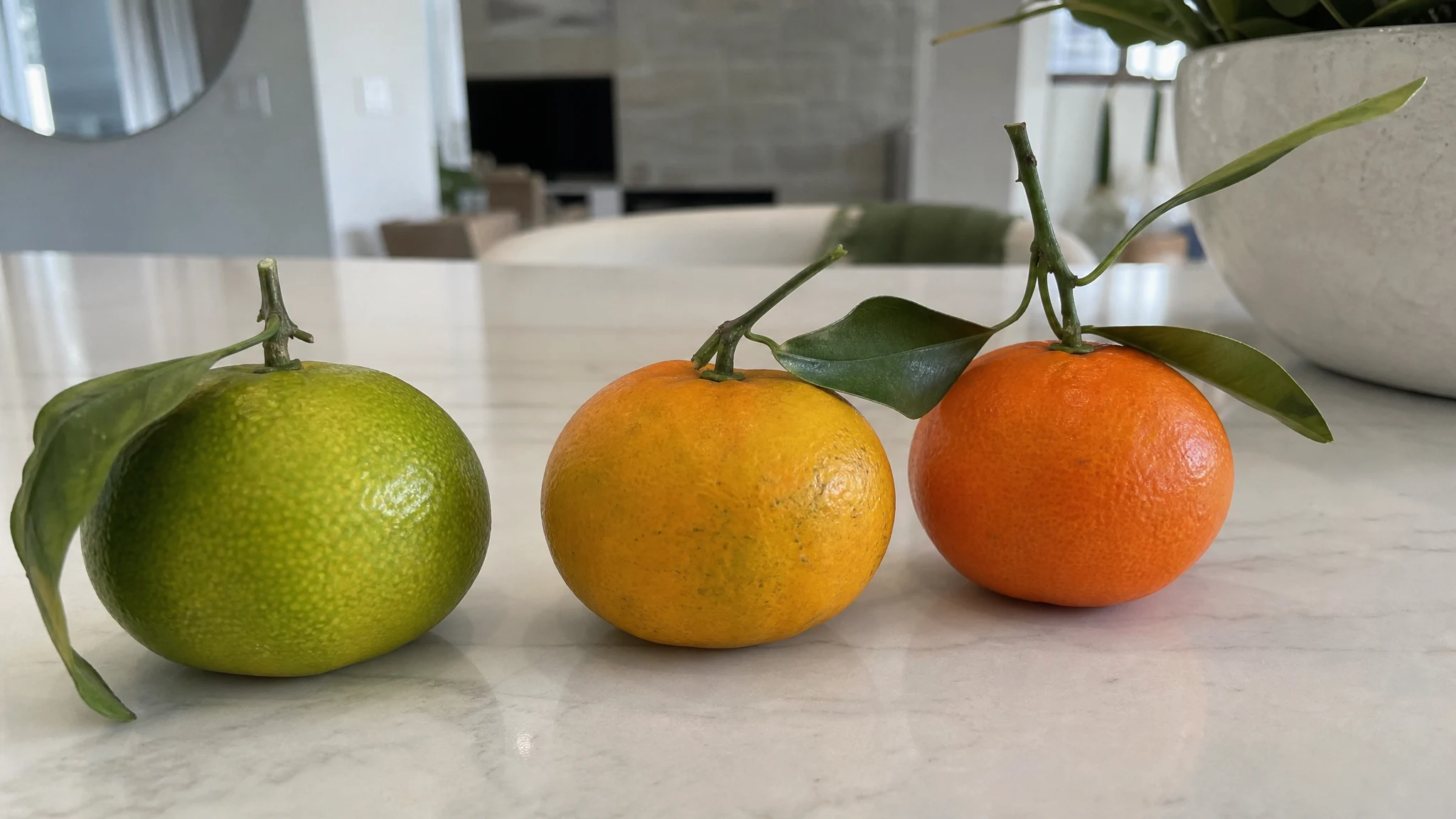
If you are putting fruit out for the holiday, a few practical touches make the bowl look and smell better. Choose fruit that feels heavy for its size and has a bright, even colour, and wipe each one gently so the skins shine. Keep the bowl out of direct sun and away from the heater, since warm rooms ripen fruit faster than you expect, and check the bottom layer every day or two.
Peel one slowly
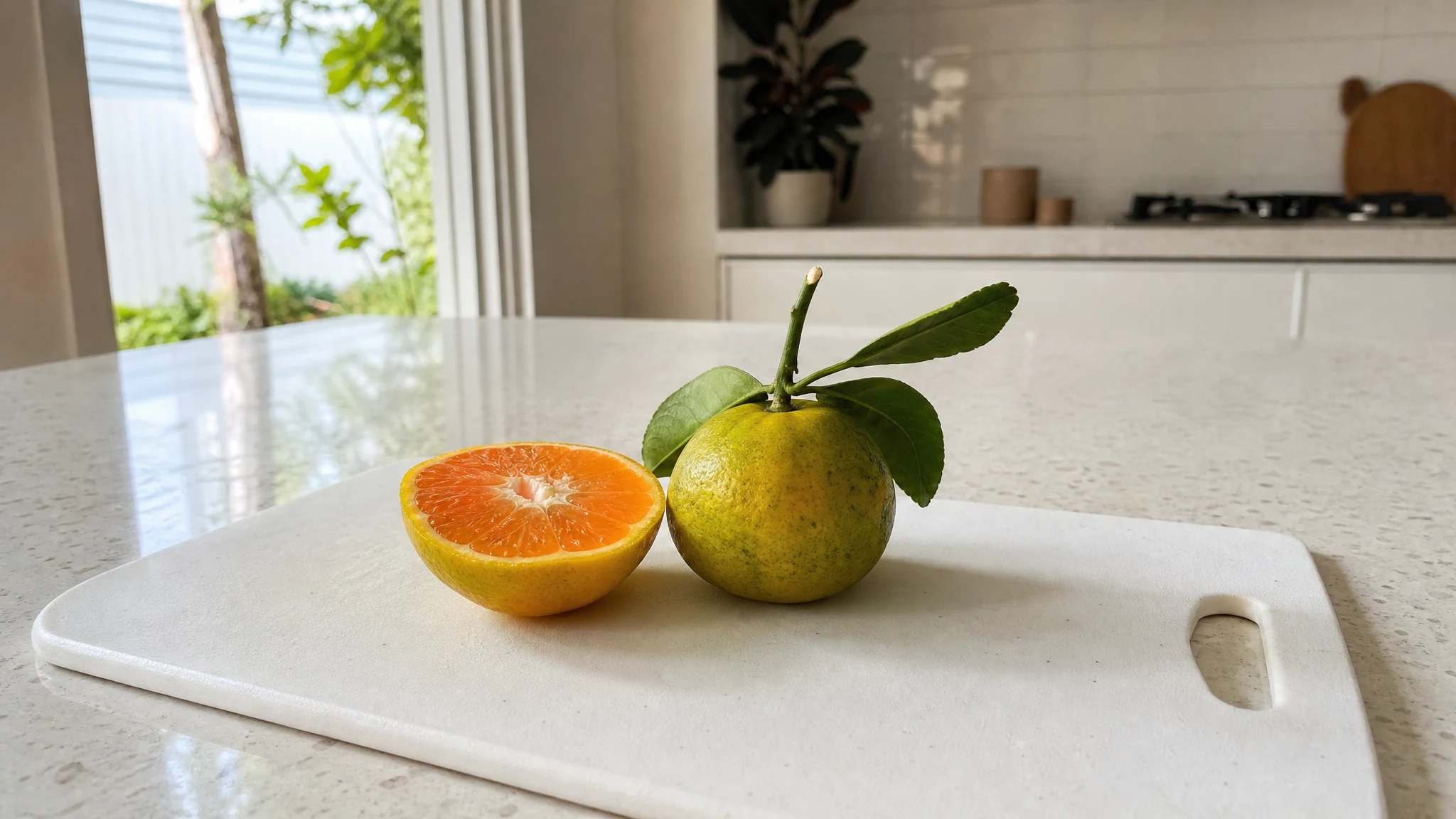
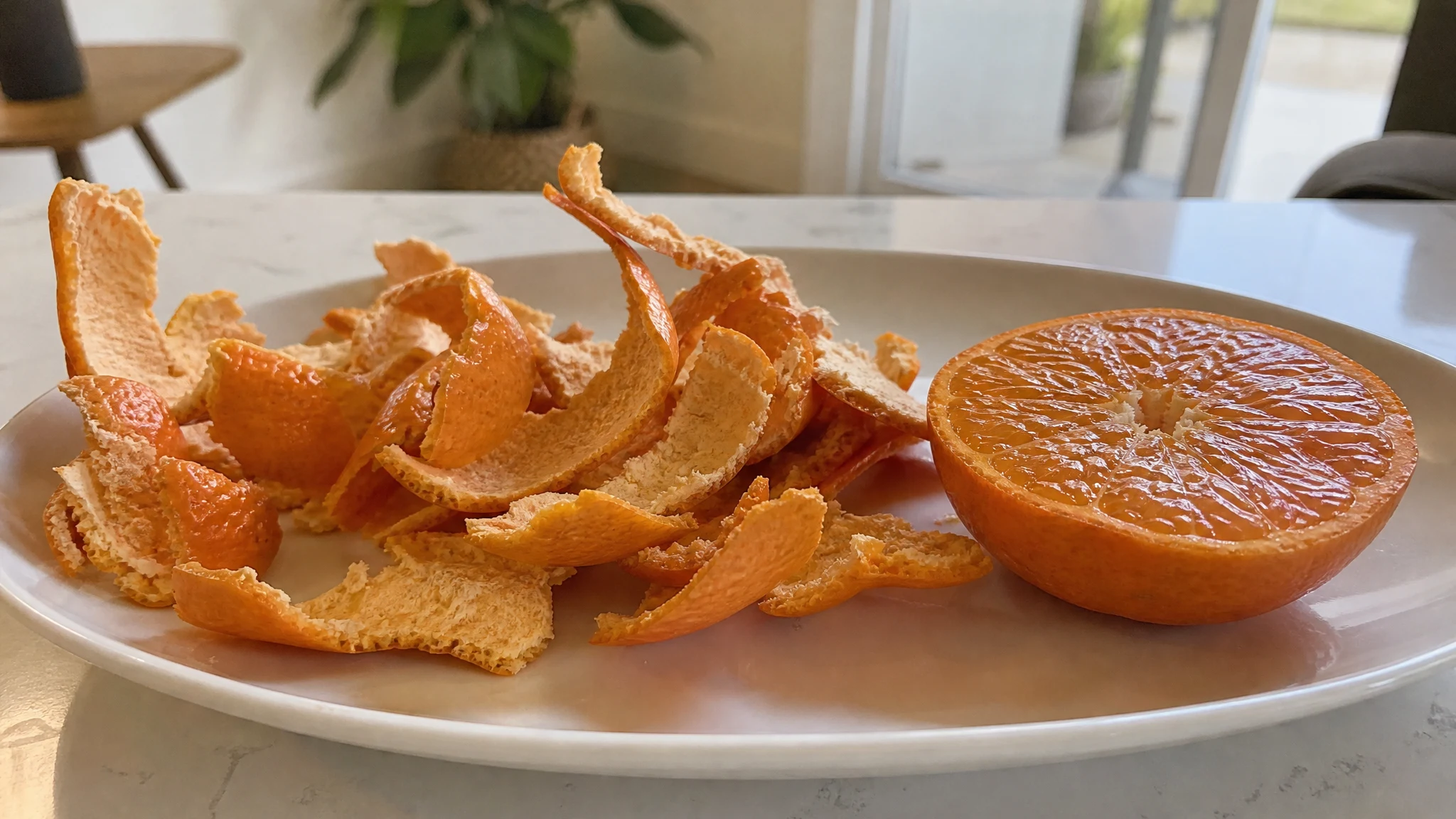
Before you eat the first one, press your thumb into the peel and breathe in. That cloud of scent is the oil in the rind, released as you break it. You will notice it is brightest right at the start and then settles into a softer sweetness, which is the same top-note behaviour we describe for the oil itself.
Where the scent comes in
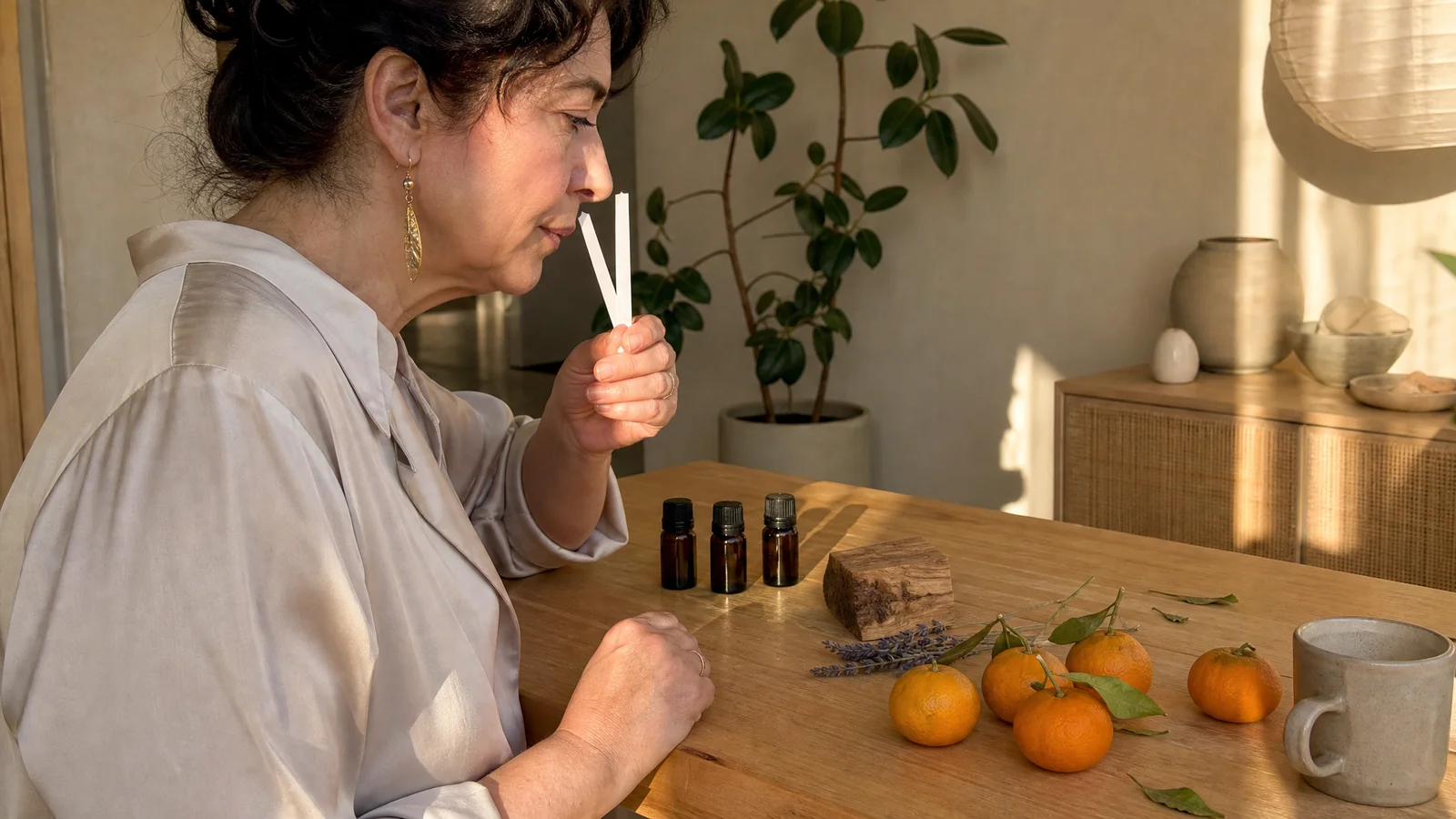
Peel a mandarin and the room fills with its aroma before you take a bite. That is the part of the fruit we know best. Our mandarin essential oil is cold-pressed from the peel and sold neat. We describe its scent as sweet, mellow and juicy, with a faint floral hum, and it sits in perfumery as a top note, which is a fancy way of saying it is the first thing you notice and the first to drift away.
We would not say the oil carries any of the symbolism. The custom belongs to the fruit: its color, its name, the act of giving it. But if you like a little more of that peel-just-opened smell in the house, a diffuser is one gentle way to do it, and our home use guide covers the practical side. Keep the oil away from eyes, children and pets, never take it by mouth, and dilute to 0.5% to 2% in a carrier with a patch test first if it is going on skin; the safety basics walk through it. The fruit remains the gift, and the oil is simply a way to keep the aroma around a little longer.
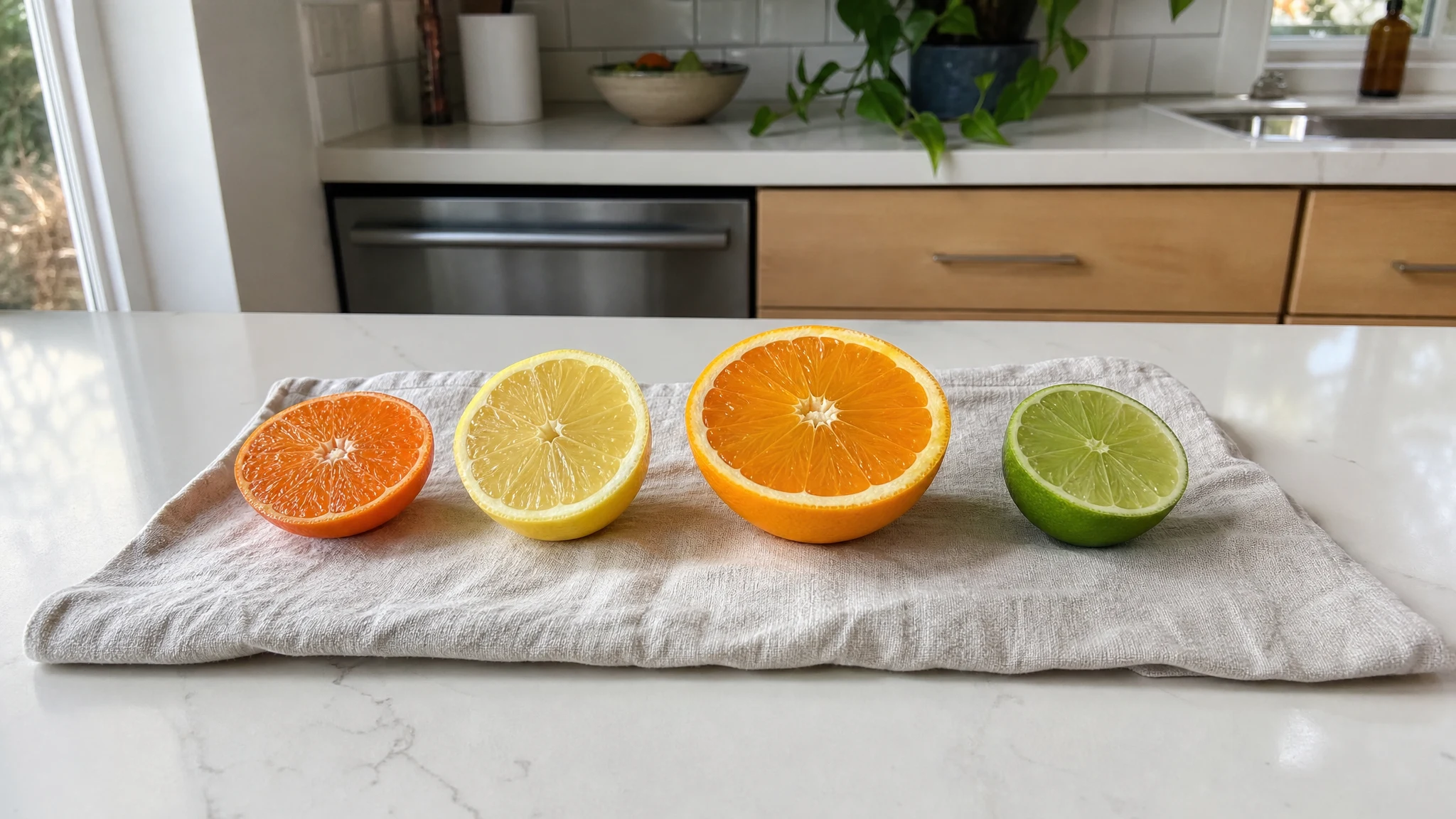
There is one more thing worth knowing about the fruit itself. Mandarins, tangerines and satsumas are close relatives, and the English names blur together, just as the Chinese names do. That is part of why the puns vary so much from place to place: the same orange-coloured fruit has gone by different words in different kitchens for a very long time. It makes the custom feel less like a single rule and more like a conversation that every region carries on in its own accent. If you are choosing fruit for a gift, there is no wrong answer in the bowl, only the local custom to ask about, and a friendly question to an elder or a neighbour will tell you more than any list.
If you enjoy the story behind the fruit, a short history of the mandarin traces where it came from, and our scent profile describes the aroma in more detail.
Whichever pun your family prefers, a bowl of bright fruit on the table is a nice way to start the year.
Mandarin Essential Oil
Mandarin Essential Oil from our own shop, in sizes from 0.5 oz to bulk.
From $12.99
Shop Now →