Mandarin Oil Around Cats and Dogs: What Vets Say
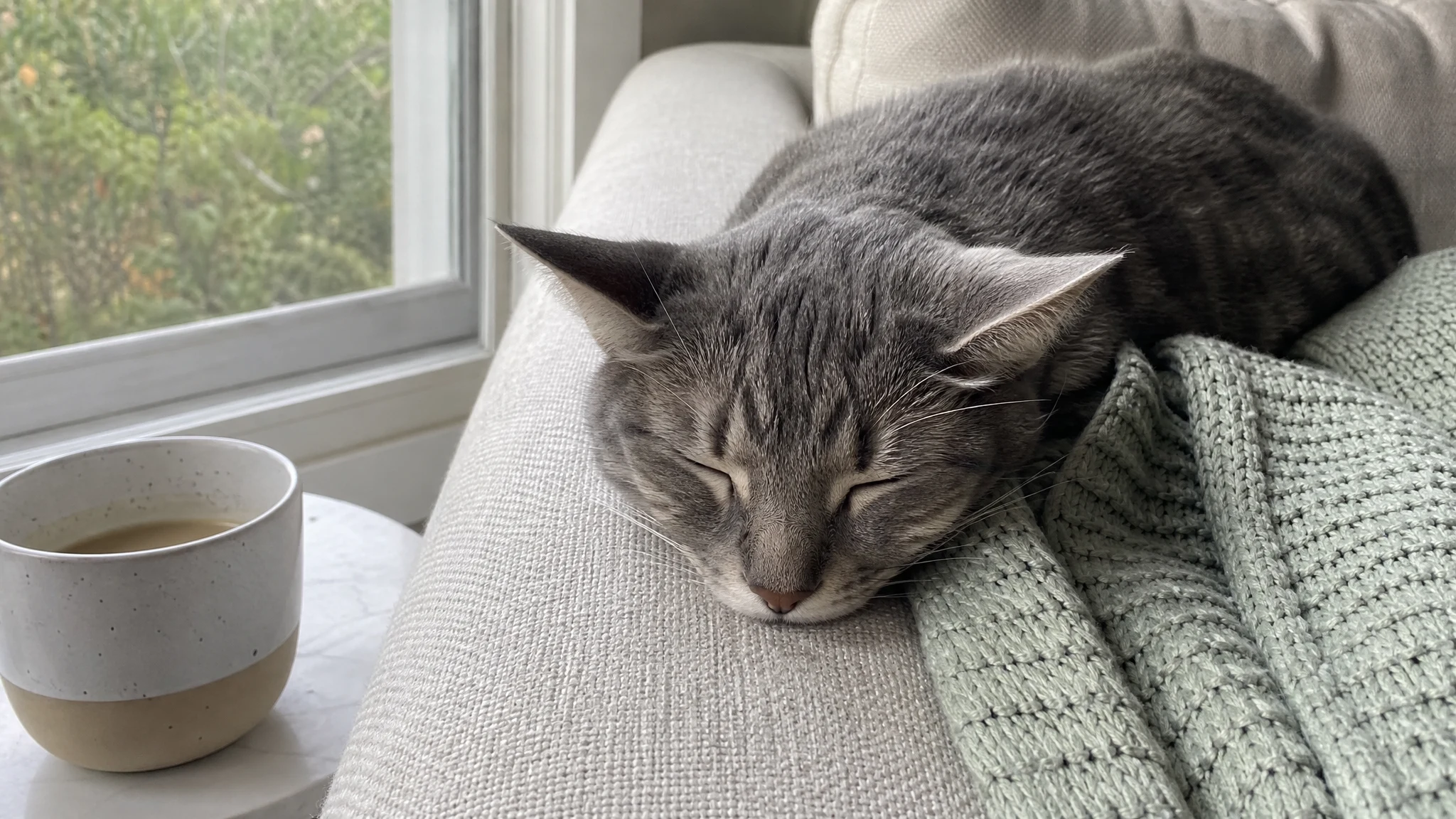
A cat curled on the sofa arm is about the most contented sight in a home, and it is also the reason many of us pause before filling the room with citrus. Mandarin oil smells like a warm, sweet, juicy peel, and it is natural to wonder whether the animals sharing the house feel the same about it. The honest answer comes from veterinary toxicologists, and it is more careful than most blog posts let on.
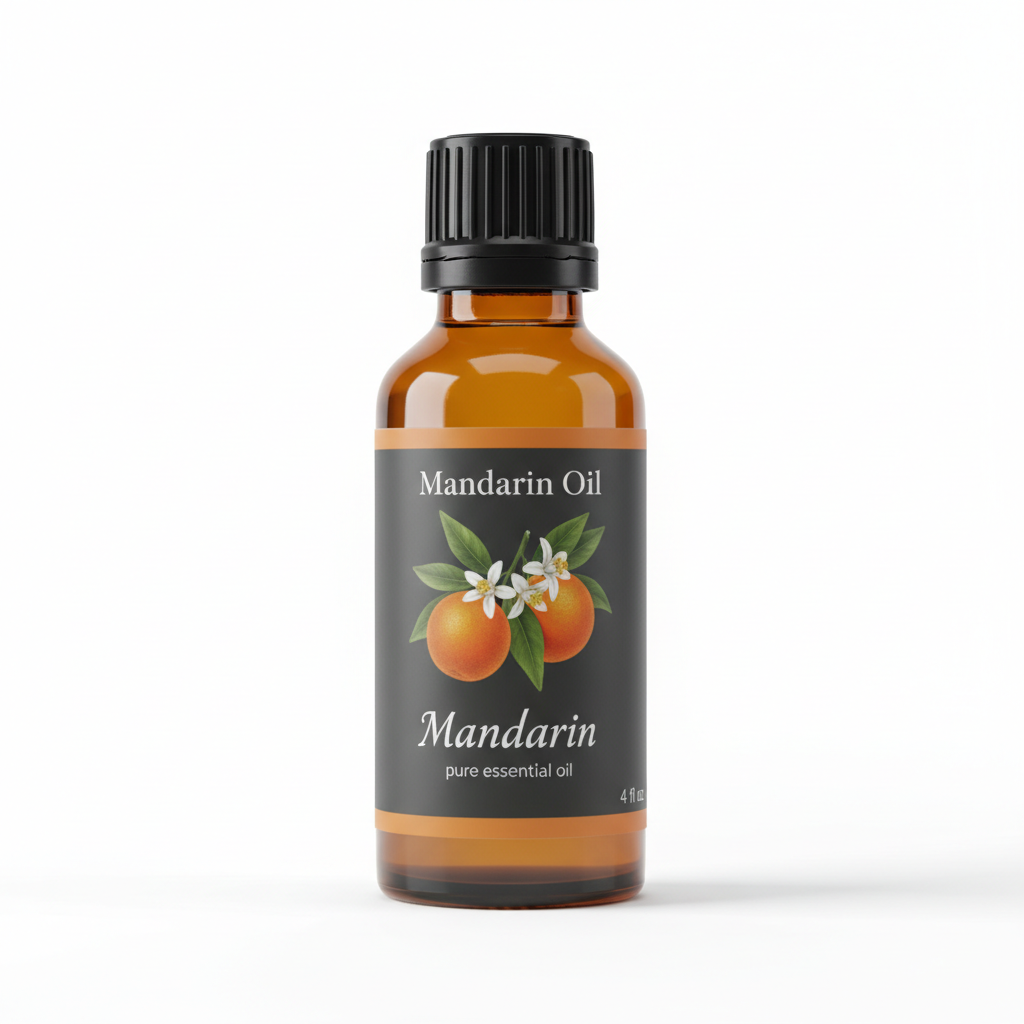
Mandarin Essential Oil
Our own Mandarin Essential Oil, in sizes from 0.5 oz to bulk.
From $12.99
Shop Now →We sell an aroma oil, and animals are not its audience
Our mandarin oil is an external aroma and cosmetic oil, cold-pressed from the peel and sold neat. It is not a remedy for anyone, and we do not describe any oil, ours or anyone else's, as safe for cats, dogs or any other animal. That is not hedging for its own sake. The best veterinary reference we found on the subject, the Merck Veterinary Manual's chapter on essential oil toxicosis, written by a veterinarian at Pet Poison Helpline and checked by a veterinary toxicologist, treats essential oils as a class and never hands out an all-clear.
Our own shop guidance says to keep the oil away from eyes, children and pets, and that is the line we would hold to as well.
Why animals are not small people
The manual makes three points worth knowing. First, essential oils are absorbed quickly through the gut, skin, lungs and mucous membranes, and the higher the concentration, the greater the risk. A bottle of neat oil is about as concentrated as it gets, which is why the manual says concentrated oils should never be applied directly to pets.
Second, cats are the species to think about first. The manual explains that cats lack enough of an enzyme called glucuronyl transferase, which other animals use to clear certain compounds, and that their grooming habit adds a route in: oil that lands on fur can end up swallowed. Dogs do not share that specific deficiency, but the manual is clear that they are still at risk.
Third, birds are described as being at high risk because of their respiratory tract, and any animal with feline asthma, allergies or chronic bronchitis is more vulnerable to inhaling aroma. So a household with a budgie or an asthmatic old cat deserves extra caution before anything is diffused.
How the oil gets into the air matters
The manual draws a useful line between passive and active diffusion. Passive methods, such as a reed diffuser or a candle, release scent without throwing out droplets, so unless one is knocked over the main concern is airway irritation. Active diffusers, the ultrasonic and nebulizing kinds, release fine droplets that can settle on fur or feathers, where an animal may absorb them or lick them off. That is an extra risk for cats and birds in particular.
It follows that a scented room is a different thing from a scented animal. If you are curious about what a diffuser session looks like for people, our evening diffuser tips cover the people side, and the pet side is a matter of the habits below.
Habits that follow from the advice
- Keep animals out of the room while a diffuser runs, and air the room afterwards, as the manual advises.
- Run a diffuser for short periods only, never all day.
- Never put oil on an animal, and never leave a bottle where a paw, nose or beak can reach it. Our storage guide suits this anyway: capped, upright, cool and dark.
- Wipe up spills at once, including on floors and sills an animal walks across.
- Skip the diffuser entirely if you share your home with birds or an animal that coughs or wheezes.
Our everyday safety habits cover the human end of the same rules.
If an animal is exposed
The manual says signs usually appear within minutes to hours. After swallowing or skin contact the common ones are vomiting, lethargy, drooling, wobbliness and loss of appetite; after breathing it in, you might see watery eyes, a runny nose, coughing or laboured breathing. Do not try to make the animal vomit, because of the risk of aspiration. Call your veterinarian or the ASPCA Animal Poison Control Center at (888) 426-4435 right away, and take the bottle with you so they can see what it was.
A veterinarian is also the right person to ask whether any scent at all suits your particular animal. Until you have that answer, the simplest scented room is the one the cat is not sleeping in.
Mandarin Essential Oil
Mandarin Essential Oil from our own shop, in sizes from 0.5 oz to bulk.
From $12.99
Shop Now →Sources & Further Reading
- Toxicoses From Essential Oils in Animals, Merck Veterinary Manual (Benson, full review March 2025)