Does Mandarin Oil Go Bad? Signs and What to Do
Open a bottle of mandarin oil that has sat in a warm cupboard for a long time and you may notice the sweet, juicy peel smell has gone flat, or faintly sharp, like orange rind left on a radiator. Nothing dramatic happened. The oil simply reacted with the air, which is what citrus oils do more readily than most. Knowing what that looks like, and what it means for the skin, is more useful than any date on a label.
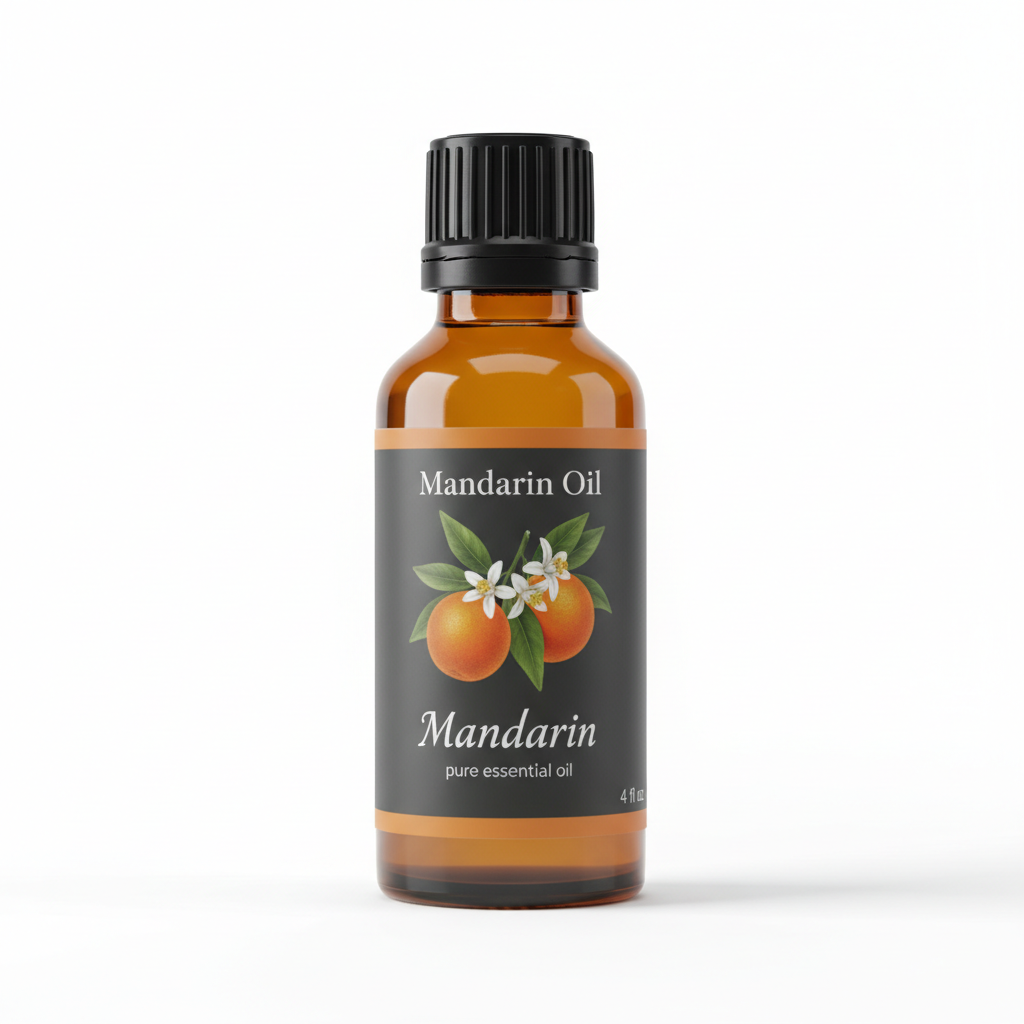
Mandarin Essential Oil
Our own Mandarin Essential Oil, in sizes from 0.5 oz to bulk.
From $12.99
Shop Now →What is happening inside the bottle
Mandarin peel oil is mostly limonene and a handful of other light, airy molecules called terpenes. Terpenes react with oxygen, and heat, light and moisture speed that up. The chemistry is called oxidation. The Tisserand Institute's page on whether a bottle is oxidized puts it plainly: most essential oils keep well for at least one to two years, heat, light and moisture are what shorten that, and refrigeration roughly doubles the lifespan. Cold-pressed citrus oils tend to sit at the shorter end of any range, because limonene is so reactive.
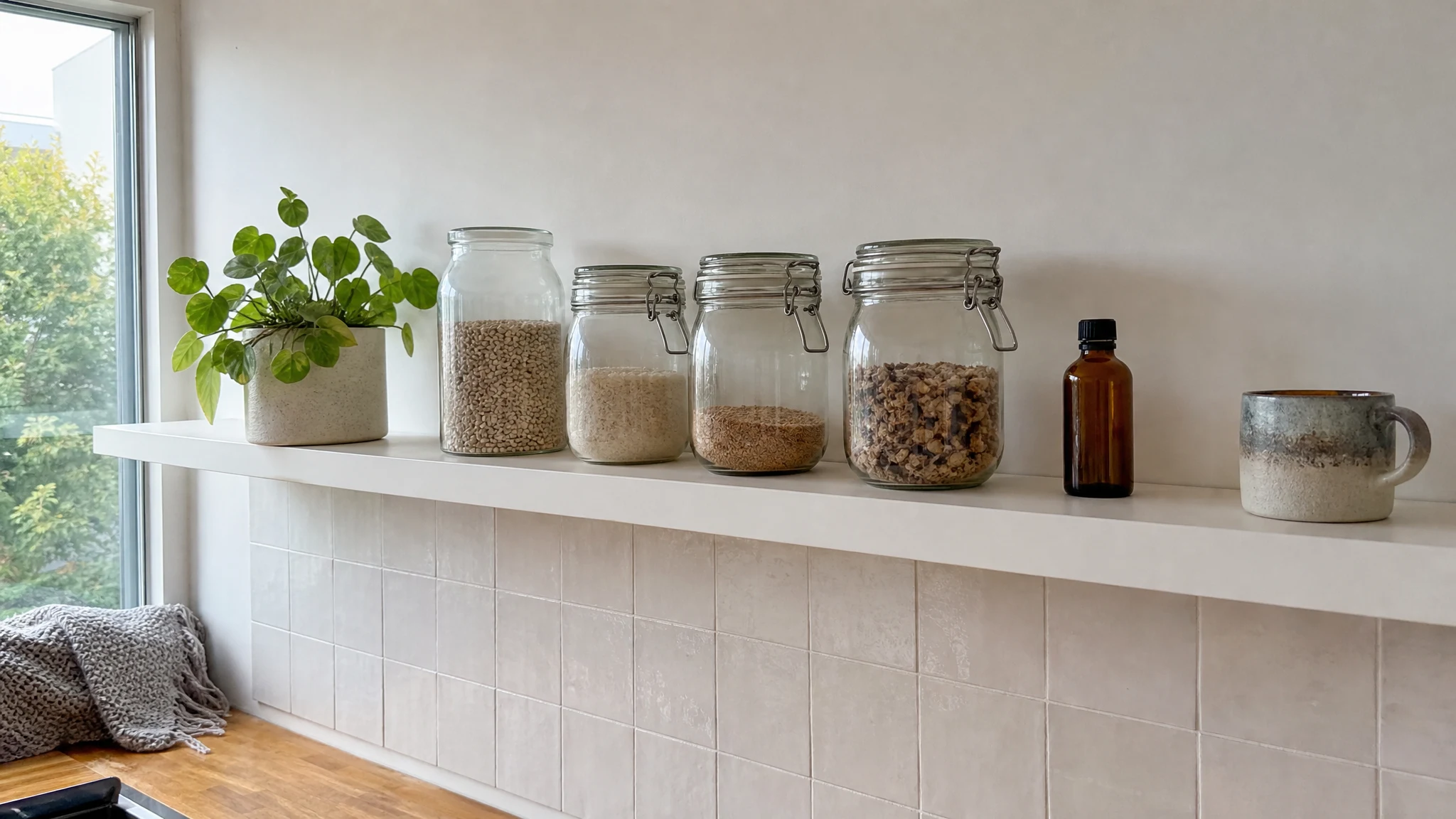
How long a bottle lasts depends on how it is kept more than on the calendar, so here is our advice instead of a number: pressed citrus oils are best used fresh, so buy small, reorder often, and keep the bottle tightly capped in a cool, dark place. We sell mandarin oil in amber glass, which helps keep light out. For larger containers, we suggest decanting a working amount into a small airtight bottle and resealing the main container, since heat and sunlight speed up oxidation in citrus oils and every opening lets in fresh air.
Signs an oil has turned
Treat these as practical rules of thumb, drawn from how oxidation behaves rather than from a lab test you can do at home.
- The smell shifts. The bright, sweet top fades, and what is left smells dull, harsh or a little like turpentine or old varnish.
- It thickens. The oil feels slightly sticky or tacky between your fingers, or leaves a gummy ring around the bottle neck.
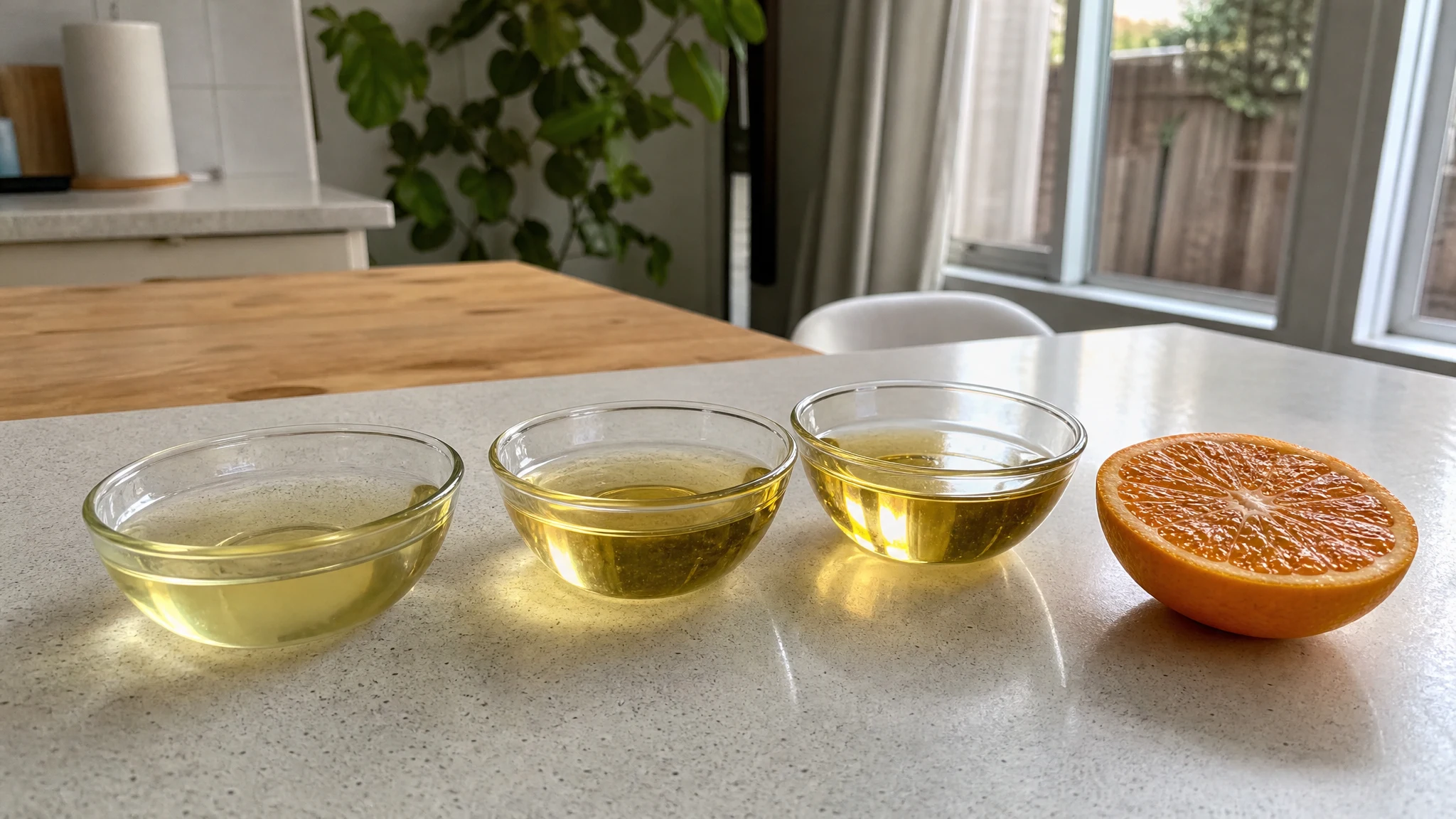
- The colour moves. A noticeably darker shade than when you opened it is worth noticing.
- It goes cloudy. According to the Tisserand Institute, cloudiness in citrus oils can point to moisture getting in, which is one more reason to keep the cap tight and avoid decanting in a steamy bathroom.
An oil can be slightly oxidized and still smell reasonable, so the smell test catches the obvious cases and not all of them. That is part of why the next section matters.
Why it matters for skin
Fresh limonene is a modest skin allergen at best. Its oxidation products are a different story. A multicentre patch-test study of nearly 2,900 dermatitis patients in six countries found that 5.2 percent reacted to air-oxidized R-limonene (Bråred Christensson and colleagues, 2013). A later study of 821 consecutive patients found 9.4 percent reacted to limonene hydroperoxides at 0.3 percent (Dittmar and Schuttelaar, 2019). These were people already being patch-tested for suspected allergy, so they do not describe the general public, but they show why old citrus oil is not something to dab on skin out of thrift.
Our guidance for skin is 0.5% to 2% in a carrier oil and a patch test first. We would add a simple house rule on top: if an oil has changed smell, thickness or colour, keep it away from skin. Our dilution and patch test guide walks through the arithmetic.
Slowing it down, and what to do with an old bottle
The habits are the ones you would guess: a tight cap, a cool dark spot, and as little air in the bottle as you can manage. A kitchen shelf near the cooker is a poor home for it; a closed cupboard is a good one. Our guides on storing mandarin oil and on hot-weather storage go into the details, and the fridge is a reasonable choice for a bottle you use slowly, as long as the cap is tight.
An oil that has clearly turned is best kept for jobs that never touch skin, such as scenting a bin or a drawer liner with a drop on a cotton pad, or retired altogether. Ask your local council about disposal rather than pouring it down the drain, and buy a smaller bottle next time. A fresh half ounce used up is better than a large one fading on a shelf.
Mandarin Essential Oil
Mandarin Essential Oil from our own shop, in sizes from 0.5 oz to bulk.
From $12.99
Shop Now →Sources & Further Reading
- Is my bottle of essential oil oxidized or no longer good to use?, Tisserand Institute
- An international multicentre study on the allergenic activity of air-oxidized R-limonene, Contact Dermatitis, 2013
- Contact sensitization to hydroperoxides of limonene and linalool: Results of consecutive patch testing and clinical relevance, Contact Dermatitis, 2019