
Summer Citrus Refresh: Mandarin Oil Ideas for Warm Weather Homes
Something shifts in the air around late May. Windows stay open longer. Bare feet find cold floors. And the heavy, resinous scents of winter feel suddenly out of place on the shelf. This is the season when citrus comes into its own, and mandarin oil earns its place at the center of any warm-weather fragrance routine.
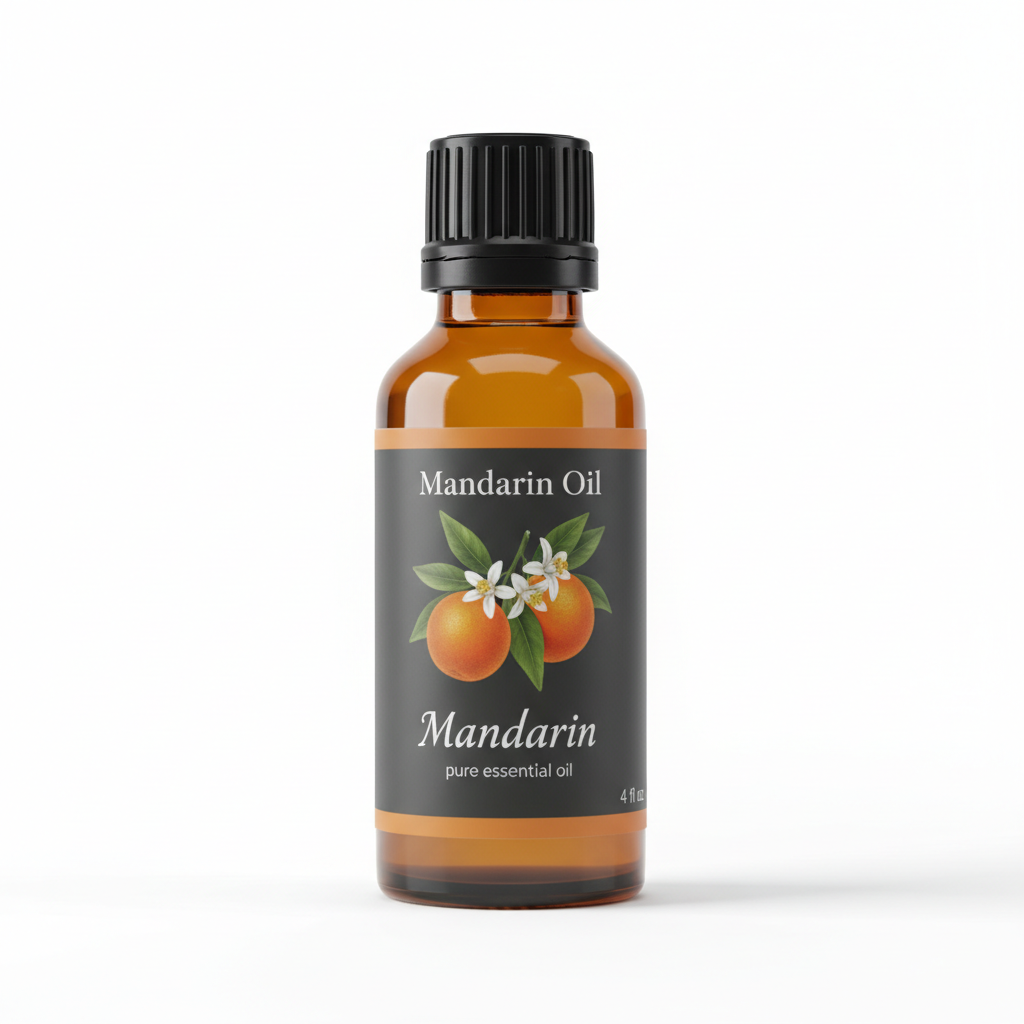
Mandarin Essential Oil
Our own Mandarin Essential Oil, in sizes from 0.5 oz to bulk.
From $12.99
Shop Now →Mandarin essential oil is cold-pressed from the outer peel of Citrus reticulata fruit. Its scent is softer than lemon and less sharp than grapefruit: a rounded, almost candy-sweet brightness that layers beautifully with florals, herbs, and woods. For summer, that quality makes it endlessly useful. Whether you are refreshing a stuffy bedroom, setting a mood for an outdoor dinner, or simply making the kitchen smell like a better version of itself, mandarin oil fits the moment.
Below you will find practical ideas for weaving mandarin oil summer fragrance into your home, room by room and moment by moment.
Why Mandarin Oil and Summer Belong Together
Seasonal relevance is real. The citrus family reaches peak cultural resonance in summer, when markets overflow with stone fruit, citrus drinks, and outdoor gatherings. Mandarin oil taps into that collective mood without being obvious about it.
Compared to orange oil, mandarin carries slightly more floral character, often described by perfumers as having a petitgrain-adjacent quality. Compared to lime, it is gentler and less aggressive. That balance makes it a versatile base for summer diffuser blends: you can push it toward the tropical, the green and fresh, or the warm and woody, depending on what you pair it with.
There is also a practical dimension. Heavier fragrance notes like vetiver, patchouli, and labdanum can feel oppressive when temperatures climb. Lighter top notes evaporate quickly in warm air. Mandarin occupies a useful middle position. It diffuses well in heat, holds its character for a reasonable time, and does not overwhelm the way some sharper citruses can.
For a thorough grounding in how to use this oil across your home year-round, our guide on how to use mandarin essential oil at home covers the full picture.
Room-by-Room Ideas for Summer
The Living Room: Setting a Daytime Mood
Open windows and afternoon light call for something cheerful and grounding at once. A diffuser running in the living room during the day can anchor the whole atmosphere of a space.
Try this simple summer diffuser blend as a starting point:
- 4 drops mandarin
- 3 drops bergamot
- 2 drops cedarwood
The bergamot adds a slightly smoky, Earl Grey quality. The cedarwood pulls it toward warmth without weight. Run it for 30 to 60 minutes at a time. Continuous diffusion dulls the nose to a scent faster than intermittent use does.
For a greener, more garden-like variation, swap the cedarwood for two drops of basil. Fresh basil oil has an anise edge that reads as genuinely outdoor, and it pairs with mandarin surprisingly well.
The Kitchen: Citrus Fragrance Without Overpowering Cooking Smells
Kitchens in summer carry the residual scent of everything: grilled corn, ripe tomatoes, charred peppers. That is pleasant in the moment and sometimes less so an hour later. A passive diffusion method works better here than a powered ultrasonic diffuser, which can compete with food aromas in confusing ways.
A small terra cotta diffuser or a few drops on an unglazed ceramic coaster near the sink keeps the scent subtle and airy. Mandarin with a single drop of rosemary creates what some describe as a Mediterranean kitchen impression. It is not trying to mask anything; it simply lifts the overall register of the room.
If you prefer a sprayable option for the kitchen, our DIY mandarin room spray recipes include a version well-suited to high-traffic spaces with adjustable intensity.
Bedrooms and Sleep Spaces: The Wind-Down Ritual
Summer evenings are their own category. The light lingers. The air stays warm. A bedroom can feel stuffy well into the night, even with a fan running. A light citrus fragrance can make the space feel fresher without adding to the sensory load of a room where you want to wind down.
Mandarin is widely used in evening routines specifically because its character sits at a softer frequency than morning-oriented citruses like lemon or grapefruit. Anecdotal evidence from aromatherapy practitioners suggests that people often find it more conducive to a calm evening atmosphere than sharper citrus varieties.
A bedtime diffuser blend to try:
- 3 drops mandarin
- 3 drops lavender
- 1 drop vetiver
Run the diffuser for 20 to 30 minutes before you intend to sleep, then switch it off. Most ultrasonic diffusers have an automatic shut-off; use it. Diffusing throughout the night is unnecessary and uses oil faster than the experience warrants.
Outdoor Spaces: Patios, Porches, and Garden Tables
Essential oil diffusers do not perform well outdoors. Open air disperses the scent before it has any presence. For porches and patios, a mandarin room spray or a DIY linen spray on outdoor cushions is a more practical approach.
Mandarin oil also blends beautifully into candle-making projects if you work with compatible waxes and follow proper fragrance load guidelines for your specific wax type. A simple mandarin and clove candle, kept for evening use, creates a citrus warmth that reads well against summer dusk.
One note on citrus oils and sunlight: mandarin expressed (cold-pressed) oil is generally considered low in furocoumarin compounds compared to bergamot or cold-pressed lime, but any skin application near sun exposure warrants caution. See the section below on skin use for more detail.
Five Summer Diffuser Blends to Try This Season
These blends are designed around what is in season aromatically, not just what is trending. Each one uses mandarin oil as the backbone and builds from there.
| Blend Name | Drops | Character |
|---|---|---|
| Poolside | 4 mandarin, 3 coconut fragrance, 2 lime | Tropical, sweet, bright |
| Garden Morning | 4 mandarin, 2 geranium, 2 basil | Green, floral, herbal |
| Citrus and Sand | 3 mandarin, 3 amyris, 2 ylang ylang | Warm, creamy, exotic |
| Farmstand | 4 mandarin, 3 grapefruit, 1 black pepper | Sharp, fresh, lively |
| Evening Terrace | 3 mandarin, 3 jasmine absolute, 2 cedarwood | Romantic, warm, soft citrus |
Drop counts assume a standard 100ml diffuser water capacity. Adjust proportionally if your diffuser is larger or smaller. Start at the lower end and add drops until the intensity suits your space.
Mandarin Oil on Skin in Summer: What to Know
Warm weather skin routines shift. Heavier carrier oils can feel uncomfortable in heat; lighter options like jojoba, squalane, and sweet almond become more appealing. Mandarin oil works well in both facial and body applications when properly diluted.
The standard dilution guidance for adults in a body oil or lotion context is 1 to 2 percent. That translates to roughly 6 to 12 drops of essential oil per ounce (30ml) of carrier. For facial applications, stay at the lower end of that range or below.
Safety note: Always perform a patch test before applying any new essential oil blend to a larger area of skin. Apply a small amount to the inner forearm, wait 24 hours, and check for any reaction before broader use. Consult a qualified healthcare provider if you have any concerns about skin sensitivity or if you are pregnant, nursing, or managing any health condition.
Mandarin expressed oil is considered low-risk for phototoxicity compared to some other cold-pressed citrus oils, but steam-distilled mandarin carries even less concern in that regard. If you are unsure which type you have, check the label or contact your supplier. For body oils applied before sun exposure, the distilled version is the more cautious choice.
Summer skin routines built around citrus home fragrance often extend naturally into topical use. Our article on using mandarin essential oil for skin walks through carrier oil pairings, dilution guidance, and seasonal adjustments in more detail.
Sourcing Notes for Summer Buying
Mandarin oil quality varies considerably by origin, harvest timing, and extraction method. Sicilian and Calabrian mandarin oils are widely regarded for their quality, with a richer aromatic profile than some Asian-sourced alternatives. The fruit is typically harvested in autumn and early winter, which means summer buyers are working with the previous season's production.
This matters because storage conditions affect oil quality over time. When purchasing in summer, look for suppliers who store their inventory in cool, dark environments and who can provide batch testing documentation (GC/MS reports). Good citrus oil should smell vivid and clean, with no off-notes that suggest oxidation. Oxidized citrus oil loses much of its brightness and may be more likely to cause skin sensitivity.
Buy in quantities you will use within six to twelve months, store your bottles in a cool location away from direct sunlight, and keep lids tight. A small investment in a dedicated dark storage box pays off in oil longevity.
Making It a Ritual, Not a Task
The practical case for mandarin oil in summer is easy enough to make: it smells good, it layers well, it works in multiple formats. But the deeper reason people return to seasonal citrus fragrance is less clinical than that.
Scent is one of the fastest ways to shift the atmosphere of a space without changing anything visible. A diffuser blend running for 30 minutes before guests arrive does something a candle takes an hour to do. A linen spray on the guest room pillows communicates care without announcing it. Mandarin oil, in particular, has a lightness that feels generous rather than assertive.
Summer is full of heat and noise and movement. A well-chosen citrus home fragrance does not compete with any of that. It simply makes the room feel like somewhere you want to stay.
Start with one blend from the table above. Keep it simple this week, then adjust. Seasonal fragrance routines grow best when you treat them as ongoing experiments rather than fixed recipes.