How to Use Mandarin Essential Oil for Skin: A Gentle Glow Routine
Mandarin oil has a quietly devoted following among people who take their skincare seriously. Cold-pressed from the rind of Citrus reticulata, it carries a soft, honeyed citrus scent that sits somewhere between sweet orange and tangerine. Beyond fragrance, it brings a profile of naturally occurring compounds that make it worth understanding for anyone building a considered skin routine.
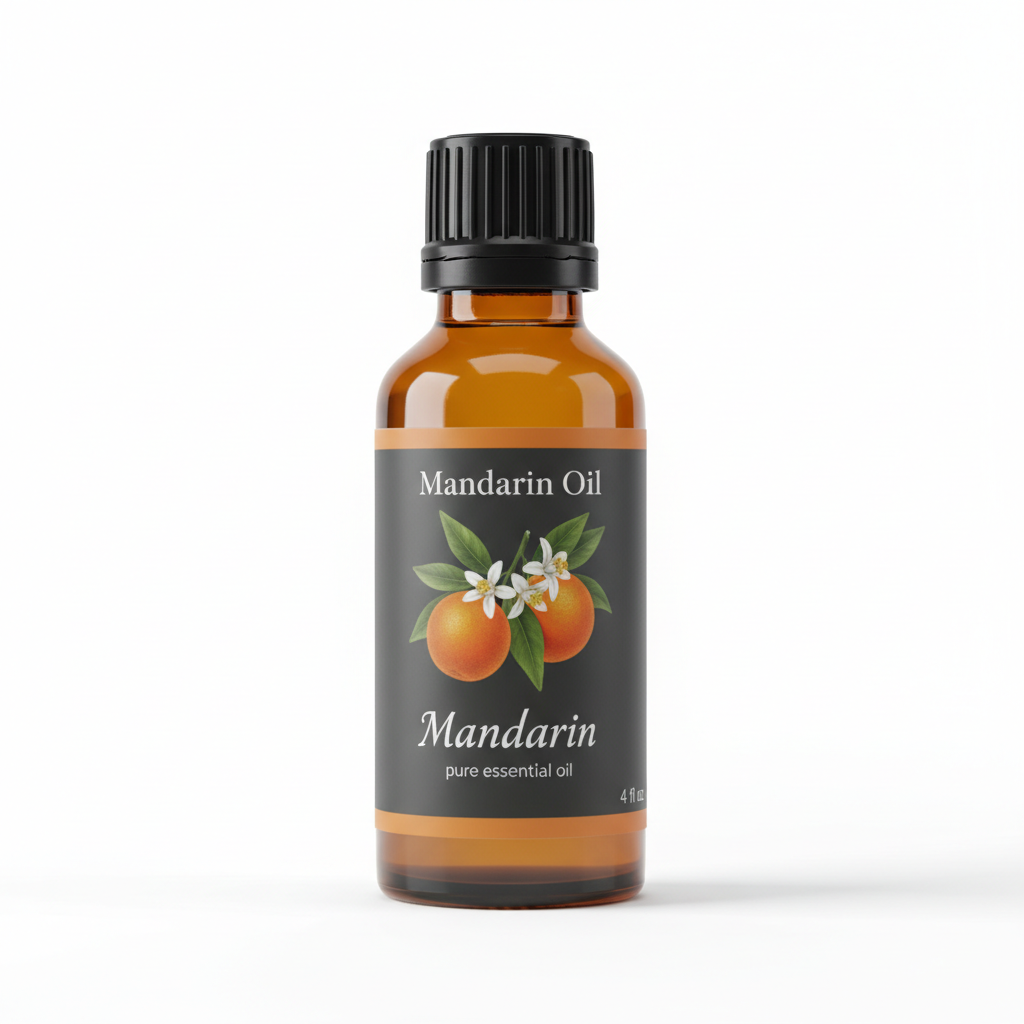
Mandarin Essential Oil
Our own Mandarin Essential Oil, in sizes from 0.5 oz to bulk.
From $12.99
Shop Now →This guide walks you through exactly how to use mandarin essential oil for skin: which carrier oils pair well with it, how to build a simple glow-focused ritual, what proportions to use, and where most beginners go wrong. The steps are practical, the recipes are accessible, and the safety guidance is woven throughout rather than tucked into a footnote.
If you are curious about broader uses for this oil beyond skincare, the ultimate guide to using mandarin essential oil at home covers diffusing, linen sprays, and more.
Why Mandarin Oil Works Well in a Skin Routine
Mandarin essential oil is rich in limonene, a naturally occurring compound found in citrus rinds. Some research suggests limonene may interact with surface skin processes, and many formulators choose mandarin oil specifically because it tends to sit well even on skin that finds other citrus oils a little sharp.
One important distinction: there are two main types of mandarin oil. Cold-pressed mandarin oil is expressed directly from the rind and retains the full aromatic and chemical profile of the fruit. Steam-distilled mandarin oil has a slightly more subdued scent. For skincare, both can be used, but cold-pressed versions are more common in cosmetic applications. Just note that cold-pressed citrus oils carry a higher potential for photosensitivity, which is addressed in the safety section below.
People who incorporate mandarin oil into their routines often report that their skin looks more radiant and that the ritual itself feels grounding. That second point is worth acknowledging. Skincare is not only about what goes on the skin. The act of applying something with a pleasant scent, slowly, intentionally, is part of why so many people maintain these routines long-term.
Materials and Ingredients You Will Need
Before you begin, gather everything. Working with essential oils goes more smoothly when you are not hunting for a carrier oil with wet hands.
Essential Oils and Carriers
- Mandarin essential oil: Look for 100% pure, single-origin oil. The label should list Citrus reticulata as the botanical name. Avoid blends sold as "mandarin fragrance oil," which are synthetic and behave differently on skin.
- A carrier oil: Jojoba oil is a popular first choice because its composition is close to the skin's natural sebum. Rosehip seed oil, sweet almond oil, and squalane are also excellent options depending on your skin type.
- Optional second essential oil: Mandarin pairs beautifully with neroli, lavender, or frankincense if you want a more layered scent.
Tools and Vessels
- Dark glass dropper bottles (10 ml or 30 ml work well for facial blends)
- A small glass measuring cup or beaker
- A label and pen (always label your blends with the date and contents)
- A clean, dry surface to work on
Patch Test Supplies
- A small amount of your finished blend
- A bandage or medical tape (to secure the patch if needed)
- 48 hours of patience before applying to your face
Safety First: Dilution, Photosensitivity, and Patch Testing
Essential oils are highly concentrated. Mandarin oil applied directly to skin without a carrier oil can cause irritation, and cold-pressed versions carry a real photosensitivity risk. Here is what you need to know before you begin.
Dilution Ratios for Facial Use
For facial skin, a 1% dilution is the standard recommended starting point. This means:
| Carrier Oil Volume | Drops of Essential Oil (1%) | Drops of Essential Oil (2%) |
|---|---|---|
| 10 ml (approx. 2 tsp) | 2 drops | 4 drops |
| 30 ml (approx. 6 tsp) | 6 drops | 12 drops |
| 50 ml (approx. 10 tsp) | 10 drops | 20 drops |
Body blends (arms, legs, chest) can go up to 2%, but stay at 1% for the face, especially when starting out. If you have sensitive skin, begin even lower and adjust.
Photosensitivity Warning
Cold-pressed mandarin oil contains furocoumarins, compounds that can cause a reaction when exposed to UV light. If you use a cold-pressed blend, apply it in the evening and avoid sun exposure on that skin for at least 12 hours. Steam-distilled mandarin oil has a significantly reduced photosensitivity risk and is a safer choice for morning routines. Always check the spec sheet or product description before using a citrus oil in daytime skincare.
Patch Testing Steps
- Prepare your diluted blend at the intended concentration.
- Apply a small amount to the inside of your forearm or behind your ear.
- Cover lightly and leave for 24 to 48 hours without washing.
- If you notice redness, itching, or any discomfort, rinse thoroughly and do not proceed with facial use.
- If no reaction occurs, you can move forward with the routine below.
Note for specific groups: Pregnant individuals, nursing parents, and those with known skin sensitivities should consult a qualified healthcare provider before incorporating essential oils into their routine. Children require lower dilution rates and different guidelines altogether.
The Gentle Glow Routine: Step-by-Step
This is an evening routine, which sidesteps the photosensitivity concern with cold-pressed oil and fits naturally into a wind-down ritual. It has four steps: cleanse, tone (optional), apply your mandarin blend, and finish with moisturizer if desired.
Step 1: Make Your Mandarin Facial Oil Blend
Do this before the rest of your routine so the blend is ready to use. You only need to make it once and it will keep for several weeks when stored properly.
- Choose your carrier oil. For a first blend, jojoba is a forgiving, versatile option. For drier skin, rosehip seed oil adds richness. For oily skin, squalane or a lighter jojoba works well.
- Measure 10 ml of carrier oil into your glass dropper bottle using the measuring cup.
- Add 2 drops of mandarin essential oil. This gives you a 1% dilution. If you want a slightly stronger scent, add a third drop, which takes you to roughly 1.5%.
- Optional: add 1 drop of neroli or frankincense for a more complex profile.
- Cap the bottle and roll it gently between your palms to combine. Do not shake vigorously.
- Label the bottle with the date, contents, and dilution percentage.
- Store in a cool, dark place away from direct light. A bathroom cabinet works if it does not get very humid or hot.
Step 2: Cleanse
Start with a clean face. Use your usual gentle cleanser suited to your skin type. Pat dry with a clean cloth rather than rubbing. You want the skin slightly damp, not wet, when you apply the oil blend. A little residual moisture helps the carrier oil spread more evenly.
Step 3: Apply the Mandarin Blend
- Dispense 3 to 5 drops of your blend into one palm. The exact amount depends on your skin's current state and the size of your face and neck area.
- Rub your palms together gently to warm the oil slightly.
- Press your palms to your face (rather than wiping) and then begin to smooth the oil outward from the center of your face. Work in gentle upward strokes.
- Include your neck and décolletage if you like. These areas often get overlooked in skincare routines and respond well to the same attention.
- Take a moment to breathe in the scent as you apply. The aroma of mandarin oil is part of what makes this a worthwhile evening ritual.
- Allow the oil to absorb for at least two minutes before applying anything else over the top.
Step 4: Seal with Moisturizer (Optional)
Some people find the facial oil blend sufficient on its own. Others prefer to follow with a light moisturizer, particularly in drier seasons. If you layer a moisturizer on top, apply it after the oil has had time to begin absorbing. This locks in hydration without disrupting the oil layer.
A Simple Mandarin Body Oil Recipe
The same principles apply to a body blend, with a slightly higher dilution. This recipe is designed for the body only, not the face.
What You Need
- 30 ml sweet almond oil or jojoba oil
- 12 drops mandarin essential oil (gives a 2% dilution)
- Optional: 6 drops lavender essential oil
- A 30 ml dark glass bottle
Method
- Pour the carrier oil into your bottle.
- Add the essential oil drops.
- Roll to combine and label.
- Apply after a shower to slightly damp skin for best absorption.
This is a lovely addition to a calming evening routine. Apply to the arms, legs, and shoulders with slow, deliberate strokes. People who use body oils regularly often report that their skin feels noticeably softer within a couple of weeks.
If you enjoy making citrus-based body products, you might also want to explore the DIY mandarin sugar scrub and body oil recipes for a complete at-home spa approach.
Tips for Better Results
Source Quality Oil
The quality of mandarin oil varies significantly between suppliers. Look for oils that come with a gas chromatography/mass spectrometry (GC/MS) report, which confirms the chemical composition and rules out adulteration. Italian mandarin (from Sicily) and Chinese mandarin are the two most common origins. Italian tends to have a slightly more complex, floral quality. Both can be excellent when sourced well.
Store Blends Carefully
Citrus oils oxidize faster than most other essential oils. Once opened, a bottle of mandarin oil should ideally be used within 6 to 12 months. Keep it away from heat and light. Finished blends in carrier oil should also be used within 6 to 8 weeks, particularly if your carrier oil is something like rosehip seed oil, which has a shorter shelf life. Adding a small amount of vitamin E oil to your blend can help extend it slightly.
Adjust Seasonally
Skin changes with the seasons. A 1% dilution in squalane might be perfect in summer. In winter, you might switch to rosehip seed oil at the same dilution for added richness. Paying attention to how your skin responds each month and adjusting accordingly is one of the clearest markers of a thoughtful routine.
Common Mistakes to Avoid
- Using undiluted oil directly on skin. Essential oils are concentrated plant extracts, not finished skincare products. Always dilute before applying to skin.
- Skipping the patch test. Even gentle oils can cause reactions in some people. The 48-hour patch test is a small investment of time that can prevent a much larger problem.
- Using cold-pressed mandarin oil in a daytime routine without SPF awareness. If you want to use your mandarin blend in the morning, choose a steam-distilled version and apply sunscreen over the top.
- Expecting overnight results. Skin responds to consistent routines over time. Some people notice a difference in radiance within a week or two. For others it takes longer. Consistency matters more than intensity.
- Making large batches you cannot use quickly. A 10 ml bottle is a good starting point. Make small amounts more frequently rather than a large batch that sits and oxidizes.
- Storing blends in plastic. Many essential oils can degrade plastic over time. Always use glass or stainless steel vessels.
What to Expect from a Consistent Routine
Managing expectations is a genuine part of any honest skincare guide. Mandarin oil is not a shortcut to perfect skin. What people who use it consistently often report is a gradual improvement in how their skin looks in everyday light: a bit more even, a bit more luminous, less dull. Some also mention that the evening application ritual itself becomes something they look forward to, which makes it easier to maintain.
Some research suggests that the limonene and other naturally occurring compounds in citrus oils may support surface-level skin processes, but these are research observations rather than confirmed cosmetic claims. What can be said with confidence is that a well-formulated mandarin blend in a quality carrier oil, applied consistently to clean skin, is a reasonable and pleasant addition to an evening routine.
For other ways to bring mandarin oil into your home beyond skincare, the DIY mandarin room spray recipes are worth a look. And if you want to go deeper into the full spectrum of ways to use this oil day-to-day, the ultimate home guide is a good companion to this article.
A Note on Sourcing
The best mandarin oil for skin use comes from fruit grown without pesticide residue on the rind, since the rind is what gets pressed. Ask suppliers about their sourcing practices and whether they can provide batch-specific testing documentation. Reputable suppliers are generally happy to share this. If a supplier cannot tell you where their oil comes from or what is in it, that is reason enough to look elsewhere.
Building a mandarin oil skin routine does not require a large collection of products or a complicated protocol. A quality oil, a good carrier, clean glass vessels, and a consistent approach in the evening are genuinely all you need to start.