
DIY Mandarin Room Spray: Three Sweet Citrus Recipes for Every Room
A well-made room spray does something a candle cannot: it works instantly. One or two spritzes and the atmosphere shifts. The air feels different. That quality makes a mandarin room spray recipe one of the most satisfying DIY projects in the citrus-scent world, and mandarin essential oil is particularly well-suited to the format.
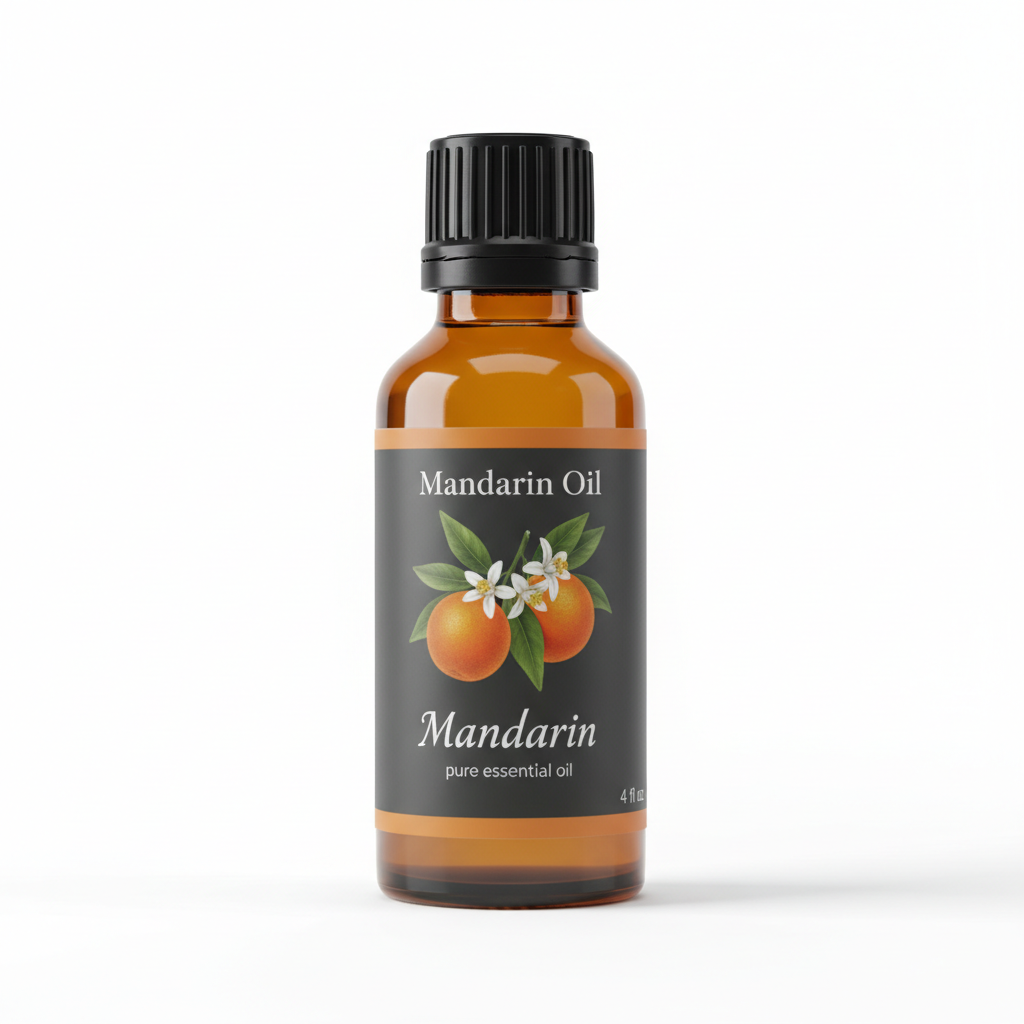
Mandarin Essential Oil
Our own Mandarin Essential Oil, in sizes from 0.5 oz to bulk.
From $12.99
Shop Now →Mandarin (Citrus reticulata) carries a softer, rounder scent profile than lemon or grapefruit. Its top notes are bright and sparkling, but the heart of the oil settles into something almost honeyed. That gentleness makes it blend naturally with woody bases, floral midnotes, and spiced accents. You can take it in many directions depending on which room you have in mind.
This guide gives you three distinct diy citrus room spray formulas, a full explanation of the base ingredients, step-by-step instructions, and every safety detail you need to make these confidently at home.
Before You Start: Understanding the Base
All three recipes share the same foundational structure. Once you understand why each component is there, substituting and scaling becomes straightforward.
Distilled Water
Tap water introduces minerals and microbes that shorten shelf life and can leave residue on fabrics. Use distilled water every time.
High-Proof Alcohol (Perfumer's Alcohol or 190-Proof Grain Alcohol)
Essential oils do not dissolve in water. Alcohol acts as the emulsifier, dispersing the oils evenly so you get a fine, consistent mist rather than an oily film. Perfumer's alcohol (available from fragrance supply retailers) is purpose-built for this and leaves no scent of its own. Vodka works in a pinch, but its lower alcohol percentage (typically 40%) reduces both efficacy and shelf life.
Mandarin Scented Oil vs. Essential Oil
You have two options at the ingredient stage. Cold-pressed mandarin essential oil is the real thing: extracted from the peel, full of naturally occurring constituents, and highly volatile. A quality mandarin scented oil (fragrance oil) is a more stable, often more affordable alternative that delivers consistent scent. Either works in these recipes. If you use a fragrance oil, confirm it is skin-safe and rated for spray applications, as formulations vary by manufacturer. For a deeper look at sourcing and quality differences, see our guide on how to use mandarin essential oil at home.
Optional: Solubilizer
Some makers add a small amount of polysorbate 20 (a gentle solubilizer) alongside the alcohol to improve oil-water mixing. It is especially useful in lower-alcohol formulas. The recipes below are written for high-proof alcohol only, but you can substitute: for every 1 ml of essential oil, use 4 ml of polysorbate 20, then reduce your alcohol by the same volume.
Essential Safety Information
Please read this section fully before you begin. These are not optional precautions.
- Dilution ratios: The recipes below use a 1 to 2 percent dilution of essential oil relative to total liquid volume. This is considered a safe range for home fragrance sprays. Do not increase concentrations beyond what is listed.
- Citrus photosensitivity: Cold-pressed mandarin essential oil contains furanocoumarins that may cause photosensitivity on skin. These sprays are formulated for the air and fabric surfaces, not direct skin application. If any spray contacts skin, avoid direct sun exposure on that area for several hours. Steam-distilled mandarin oil has significantly lower furanocoumarin content; check your supplier's GC/MS report if this is a concern.
- Fabric and surfaces: Mist from a distance of at least 12 inches. Avoid saturating delicate fabrics, raw wood, or polished surfaces. Test on an inconspicuous area first.
- Children and pets: Keep sprays out of reach of children. Cats and some birds are particularly sensitive to concentrated citrus compounds. Do not spray directly around pets or in enclosed spaces where they rest. Consult a veterinarian if you have concerns about your household.
- Pregnancy and nursing: If you are pregnant, nursing, or have any underlying health concern, consult a qualified healthcare provider before using essential oil products at home.
- Alcohol flammability: High-proof grain alcohol is flammable. Mix and store away from open flame or heat sources. Do not spray near a lit candle or stovetop.
- Eye irritation: Avoid spraying toward the face. If contact with eyes occurs, flush with clean water and seek medical advice if irritation persists.
Recipe 1: The Living Room Lift (Mandarin and Cedarwood)
Difficulty: Beginner
Prep time: 5 minutes
Yield: One 4-ounce (120 ml) spray bottle
This is the foundational formula. Cedarwood grounds the bright citrus top note and gives the blend staying power. The result is uplifting in the top notes, warmer in the dry-down. Ideal for living rooms, entryways, and home offices.
Ingredients
| Ingredient | Amount |
|---|---|
| Distilled water | 90 ml (3 fl oz) |
| Perfumer's alcohol (or 190-proof grain alcohol) | 28 ml (approx. 2 tbsp) |
| Mandarin essential oil (or mandarin scented oil) | 30 drops |
| Cedarwood essential oil (Atlas or Virginian) | 12 drops |
| Bergamot essential oil (bergapten-free preferred) | 8 drops |
Instructions
- Pour the alcohol into your spray bottle first.
- Add all essential oils directly to the alcohol. Cap the bottle and swirl gently for 30 seconds. This step is important: the oils need to disperse into the alcohol before water is added.
- Add the distilled water slowly.
- Cap tightly and shake well for one full minute.
- Label the bottle with the formula name and date.
- Allow to rest for 24 hours before first use. The scent will integrate and deepen slightly.
Recipe 2: The Bedroom Wind-Down (Mandarin and Lavender)
Difficulty: Beginner
Prep time: 5 minutes
Yield: One 4-ounce (120 ml) spray bottle
Lavender pairs intuitively with mandarin. The floral softness of lavender meets the sweet citrus note and the two seem to disappear into something new entirely. Many people use this blend as part of an evening wind-down ritual, spritzing linens or pillowcases a few minutes before bed. The scent lingers gently on fabric without being heavy.
Ingredients
| Ingredient | Amount |
|---|---|
| Distilled water | 90 ml (3 fl oz) |
| Perfumer's alcohol | 28 ml (approx. 2 tbsp) |
| Mandarin essential oil | 25 drops |
| Lavender essential oil (true lavender, Lavandula angustifolia) | 20 drops |
| Roman chamomile essential oil (optional, for added softness) | 5 drops |
Instructions
- Add alcohol to the spray bottle.
- Combine all essential oils into the alcohol. Cap and swirl for 30 seconds.
- Add distilled water slowly.
- Cap and shake for one minute.
- Label and date. Rest for 24 hours before use.
- To use as a linen spray, hold the bottle at least 12 inches from fabric and mist lightly. Allow to dry fully before sleeping.
Note on Roman chamomile: This oil is expensive and optional. The blend works beautifully without it. If you skip it, add 5 more drops of lavender to maintain volume.
Recipe 3: The Kitchen Refresh (Mandarin, Ginger, and Mint)
Difficulty: Beginner to Intermediate
Prep time: 8 minutes
Yield: One 4-ounce (120 ml) spray bottle
Kitchens accumulate lingering food odors. This sharper, more energetic blend is built for that environment. Ginger adds a warm, spiced edge. Peppermint cuts through with clean, crisp top notes. The mandarin keeps everything from tipping into harshness. Spray 20 minutes after cooking rather than while food is on the stove.
Ingredients
| Ingredient | Amount |
|---|---|
| Distilled water | 90 ml (3 fl oz) |
| Perfumer's alcohol | 28 ml (approx. 2 tbsp) |
| Mandarin essential oil | 28 drops |
| Ginger essential oil (steam-distilled) | 10 drops |
| Peppermint essential oil | 12 drops |
Instructions
- Add alcohol to the bottle.
- Add essential oils to the alcohol. Swirl for 30 to 45 seconds. Peppermint in particular benefits from thorough initial mixing.
- Add distilled water.
- Cap and shake for one full minute.
- Label and date. Allow 24 hours before first use.
Caution with peppermint: Peppermint oil is strong. Do not increase the drop count beyond what is listed. Keep this spray away from young children and do not use in enclosed spaces where infants are present.
Storage Instructions and Shelf Life
Properly made, these sprays last four to six weeks at full scent intensity. The alcohol preserves the formula somewhat, but citrus essential oils are among the most volatile in the plant kingdom and they do fade.
- Store in amber or cobalt glass bottles away from direct sunlight and heat. UV light degrades citrus oils quickly.
- Keep caps tightly sealed between uses.
- If you notice a change in scent (flatness, off-notes, or a faint rancid quality), discard the batch and make a fresh one.
- You can extend shelf life slightly by storing in a cool, dark cabinet. Refrigeration is not necessary but does help.
- Do not store in clear plastic bottles. Certain essential oil constituents degrade plastic over time and may leach compounds into your formula.
Variations and Substitutions
Swapping the Citrus Base
If you run out of mandarin oil midway through a batch, sweet orange essential oil is the closest substitution in scent character. Tangerine also works well. Lemon and grapefruit are sharper and will change the personality of the blend significantly.
Adjusting Scent Intensity
The recipes above sit at approximately 1.5 percent dilution. If you prefer a lighter scent, reduce all essential oil drop counts by 20 to 25 percent and increase distilled water by the same volume. Do not increase concentration beyond the listed amounts.
Using a Mandarin Scented Oil (Fragrance Oil)
If you are working with a mandarin scented oil rather than a true essential oil, the drop count remains the same. Fragrance oils tend to project more strongly and may last longer in the bottle. Check the fragrance oil's usage rate guidelines from your supplier and confirm it is rated for room spray applications.
Adding a Fixative
A small amount of sandalwood or vetiver essential oil (three to five drops, replacing an equal number of base-note drops) gives citrus blends more staying power in the air. The scent will read differently, but sandalwood in particular pairs gracefully with mandarin.
Equipment Checklist
- 4-ounce amber or cobalt glass spray bottles (one per recipe)
- A small glass beaker or graduated cylinder for measuring liquids
- A dropper or pipette for precise essential oil measurement
- Labels and a marker
- Distilled water (available at most grocery stores)
Plastic funnels are fine for pouring water. Use glass or stainless steel for anything that contacts undiluted essential oils directly.
Going Further with Mandarin at Home
Room spray is just one way to work with this oil. If you enjoy making your own citrus-scented products, there is a lot more you can do. Our DIY mandarin sugar scrub and body oil guide walks through a full at-home citrus ritual with proper skin dilution guidelines. And if you want to explore mandarin scent in a different format entirely, the mandarin candles and wax melts guide covers the wax-blending process in detail.
Each format has its own rhythm. Room sprays are immediate and adjustable. Candles build slowly. Scrubs are tactile. A small collection of these projects gives you a lot of flexibility in how you bring mandarin into different parts of your home and your day.
Start with Recipe 1. Once you have the base technique in hand, the variations become intuitive.