Reading a Mandarin Oil Label: Botanical Names, Origin, and Extraction Claims
Picking up a mandarin essential oil bottle and actually understanding what the label is telling you are two very different things. Most labels are small, crowded, and written in a mix of Latin, marketing language, and abbreviated certifications that can feel more like a puzzle than a purchasing guide. This guide cuts through that confusion so you can shop with confidence, comparing products on substance rather than packaging aesthetics.
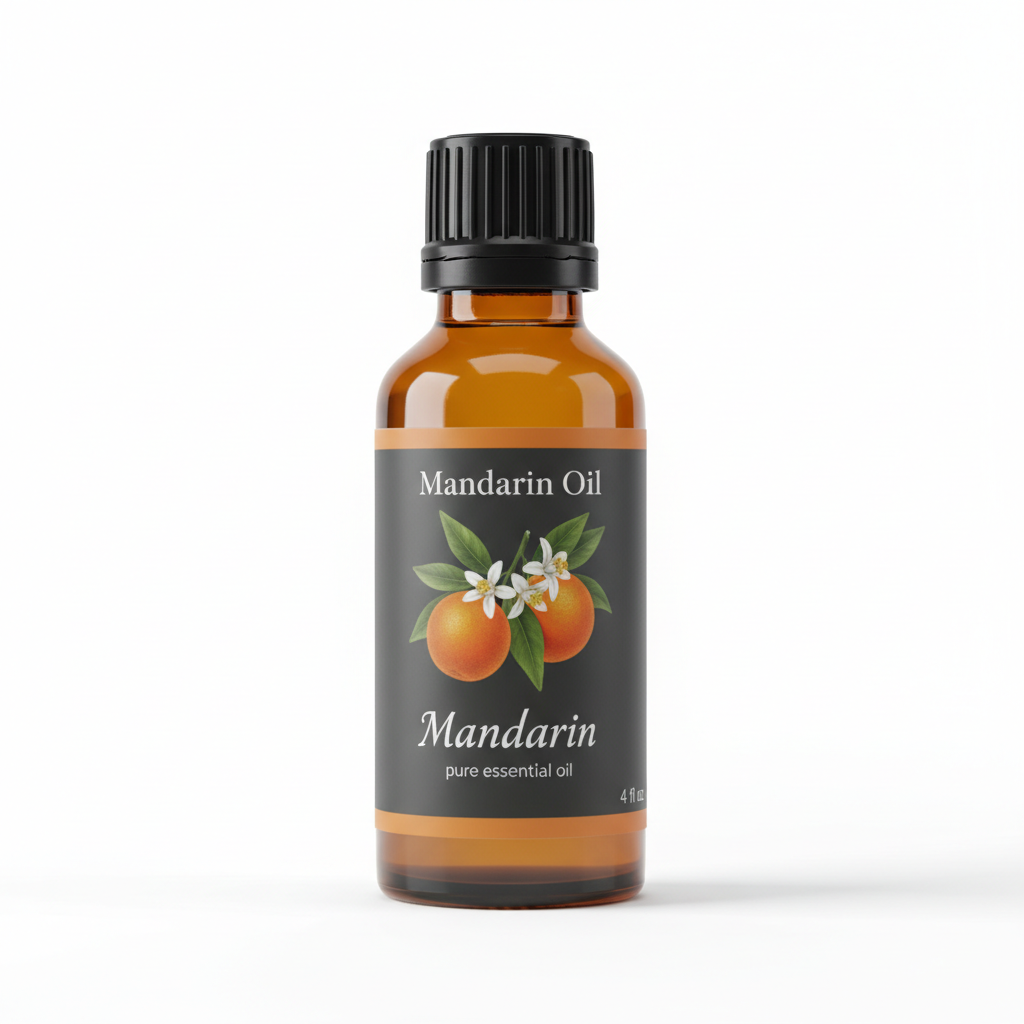
Mandarin Essential Oil
Our own Mandarin Essential Oil, in sizes from 0.5 oz to bulk.
From $12.99
Shop Now →Why the Label Matters So Much
Essential oils are unregulated in many markets when it comes to labeling standards. Unlike food or pharmaceutical products, there is no single global body that verifies every claim printed on a mandarin oil bottle. That gap means some brands invest in genuine transparency while others rely on vague language that sounds impressive but tells you very little.
A well-written label is a brand's handshake. It signals that the company understands its supply chain, respects its customers, and has nothing to hide about sourcing or production. A poorly written label often signals the opposite.
Before you buy, plan to spend sixty seconds reading the bottle carefully. The following sections explain exactly what to look for.
The Botanical Name: Your First Quality Checkpoint
The single most important item on any essential oil label reading checklist is the botanical (Latin) name. For mandarin oil, the correct species designation is Citrus reticulata. If you do not see those two words somewhere on the bottle, move on.
Why does the Citrus reticulata label entry matter so much? Because the citrus family is large, and terms like "mandarin," "tangerine," and "clementine" are used loosely in commerce. Some suppliers blend these fruits or substitute one for another without disclosure. The Latin name anchors the product to a specific botanical source that can be verified through testing.
You may also encounter cultivar designations such as Citrus reticulata Blanco, which simply references a historical taxonomic authority and is perfectly standard. Occasionally a label will specify the variety: Satsuma, Dancy, or Ponkan, for example. This level of detail is a positive sign of sourcing knowledge.
Quick rule: No Citrus reticulata on the label? No purchase.
Country of Origin: What It Tells You About Quality
Geographic origin shapes aroma profile more than most buyers realize. Mandarin oil is produced in several regions, and each carries distinct characteristics worth knowing before you compare bottles.
| Origin | Aroma Character | Notes for Buyers |
|---|---|---|
| Sicily, Italy | Deep, almost honeyed citrus; slightly floral base notes | Often considered the benchmark; commands a higher price |
| Spain | Bright, clean, sharper top notes | Widely available; good quality-to-price ratio |
| Brazil | Fresh and slightly grassy undertone | Often used in larger commercial batches; reliable but less nuanced |
| China | Variable; can be excellent or quite thin | Third-party testing becomes especially important here |
A label that lists "Country of Origin" or "Distilled in" is being transparent. A label that says only "Made in USA" on a mandarin oil is almost certainly describing the bottling location, not the fruit origin. Those are two different things, and the distinction matters when you are evaluating scent character and traceability.
If you want to explore how origin interacts with price across different bottle sizes, the guide on best mandarin oil bottle sizes and which one you should order covers this well.
Extraction Method Claims: Cold Pressed vs. Steam Distilled
Mandarin peel oil is almost always cold pressed, also called expression or cold expression. This mechanical process presses the outer rind to release the oil without heat, preserving the bright, volatile top notes that define the scent. Steam distillation is used for some citrus oils but is less common for mandarin because heat degrades the most delicate aromatic compounds.
What to look for on the label:
- "Cold Pressed" or "Cold Expression": The standard and preferred method for mandarin peel oil.
- "Steam Distilled": Less typical; the scent profile will differ noticeably, often flatter and less vivid.
- No extraction method listed: A gap worth questioning. Reputable brands include this information because it affects product character.
Some labels use the phrase "expressed from the peel," which is correct and specific. That language suggests the brand understands the production process and is not simply copying generic label templates.
Purity Statements and Certifications: Reading Past the Marketing
Words like "pure," "natural," "100% pure essential oil," and "unadulterated" appear on labels across every price point. By themselves, they are marketing language, not verified claims. What backs them up is what counts.
GC/MS Testing
Gas chromatography/mass spectrometry testing, usually abbreviated GC/MS, analyzes the chemical composition of an oil. A brand that publishes GC/MS reports, either on the bottle via a QR code or on its website, is making its quality data verifiable. Look for batch-specific reports rather than a single generic result representing the whole product line. Batches vary; good brands track that variation.
Organic Certification
USDA Organic certification (in the US) or EU Organic certification (in Europe) indicates the fruit was grown without synthetic pesticides and the chain of custody has been audited. For a cold pressed product where the peel is the source material, this matters. Pesticide residues concentrate in citrus peel during expression.
If the label says "organic" without naming a certifying body, that claim is unverified. Look for the certifier name: CCOF, Oregon Tilth, Ecocert, Soil Association, and similar organizations are credible examples.
Non-GMO
This certification is less consequential for essential oils than for food products, but its presence on a label does suggest the brand has engaged with third-party verification processes, which is a modest positive signal.
Batch Numbers, Lot Codes, and Expiry Dates
A batch number or lot code connects the specific bottle you are buying to a traceable production record. If a quality issue surfaces, the brand can isolate which batches are affected. If a question arises about GC/MS data, the batch number tells you which report applies to your bottle.
Expiry dates matter for citrus oils in particular. Cold pressed citrus oils are among the shorter-lived essential oils, with a typical shelf life of one to two years when stored properly. A bottle with no best-before date or a suspiciously distant one is worth scrutinizing.
What responsible labels include:
- Batch or lot number
- Bottling or production date
- Best-before or expiry date
- Storage instructions (cool, dark place; keep cap sealed)
Red Flags: Labels That Should Make You Walk Away
Some label patterns are reliable warning signs, regardless of how attractive the bottle looks.
- No botanical name. If Citrus reticulata does not appear anywhere, the product cannot be verified as true mandarin oil.
- "Fragrance oil" or "nature identical" in small print. These phrases indicate a synthetic or partially synthetic product, not a genuine cold pressed essential oil.
- Identical price across every oil in a line. Jasmine absolute and mandarin oil should not cost the same. If a brand prices every oil at $7.99 regardless of species, that uniformity suggests blending, dilution, or adulteration.
- No origin listed. Hiding the source is rarely a good sign.
- Carrier oil not disclosed. Some brands sell pre-diluted oils without clearly labeling them as diluted. Check the ingredient list. If you see fractionated coconut oil, jojoba, or sweet almond oil listed alongside the essential oil, the product is a blend and should be priced accordingly.
- Dramatic wellness claims on the label itself. Responsible brands keep label language focused on scent and sourcing.
For a broader look at evaluating quality before you add anything to your cart, the comprehensive resource on how to buy mandarin oil covers sourcing, testing, and value assessment in depth.
Top Picks at Different Price Points
Rather than naming specific brands (availability and formulations change), here is a framework for evaluating what you find at different budget levels.
Budget Range (Under $10 for 10 ml)
At this price, look for correct botanical name, country of origin, and cold pressed designation. Do not expect published GC/MS data or organic certification. Prioritize sellers with return policies and customer reviews that describe the scent accurately (bright, citrusy, not flat or perfume-like). Avoid any product that cannot confirm its extraction method.
Mid-Range ($10 to $25 for 10 ml)
This is where label transparency becomes more available. Look for batch-specific GC/MS access via QR code or the brand website, organic certification from a named body, and Sicilian or Spanish origin for the best scent character. Mid-range buyers often get the best combination of verified quality and reasonable cost.
Premium ($25 and above for 10 ml)
At this level, expect full traceability, Sicilian origin, published third-party testing, and premium glass packaging with UV protection. Some premium producers work directly with specific growers and document that relationship on their website. The scent profile at this tier is often noticeably richer and more complex. Evaluate whether the sourcing story is substantiated by data, not just narrative.
Where to Buy: Channels and What Each Offers
The channel through which you purchase a mandarin essential oil bottle shapes the information you can access before buying.
- Brand websites: Usually the most transparent option. Brands that publish GC/MS reports, sourcing details, and certifications make all of that accessible here. You can also contact customer service with specific label questions.
- Specialty natural retailers (online and physical): Stores that curate their essential oil selection often carry vetted brands. Staff can sometimes answer sourcing questions directly.
- Large online marketplaces: Convenient but requires extra scrutiny. Third-party sellers on marketplace platforms vary widely in quality. Filter for fulfilled-by-brand listings where possible, and read critical reviews carefully.
- Health food stores: Generally carry a curated range. You can read physical labels before purchasing, which is a genuine advantage.
For a detailed breakdown of purchasing channels and what to watch for in each, see the guide on where to buy mandarin essential oil online.
A Label Reading Checklist
Before any purchase, run through these items on the label:
- Does it say Citrus reticulata?
- Is the country of origin listed (fruit origin, not bottling location)?
- Does it specify cold pressed or cold expression?
- Is there a certifying body named for any organic claim?
- Is a batch number or lot code present?
- Is a best-before or expiry date included?
- Is there a path to GC/MS data (QR code, website, or contact information)?
- Is the product clearly labeled as either pure essential oil or a diluted blend?
Eight checkmarks means you are looking at a well-documented product. Fewer than five, and additional research is worth doing before committing.
The Bigger Picture
Learning essential oil label reading is a skill that builds quickly. The first few bottles you evaluate will take some time. After that, the checklist becomes second nature, and you start to notice which brands consistently meet the standard and which ones are coasting on packaging alone.
Mandarin oil is a genuinely delightful raw material: bright, versatile, and beautifully aromatic when it comes from a well-sourced and properly expressed fruit. A label that tells you where the fruit grew, how the oil was extracted, and how that specific batch performed in testing is a label worth trusting. One that offers only pleasant adjectives and a pretty design is asking you to buy on faith alone.
Read carefully. The information is there for brands willing to share it.