Mandarin Oil vs Orange Oil: Scent, Price, and Best Uses Compared
Both sit in the citrus family. Both smell unmistakably sunny. And both show up in perfumery, home fragrance, and skincare formulations with impressive regularity. Yet mandarin orange oil and sweet orange oil are genuinely different materials, and choosing the wrong one for a project can leave your blend smelling flat, too sharp, or simply off-character.
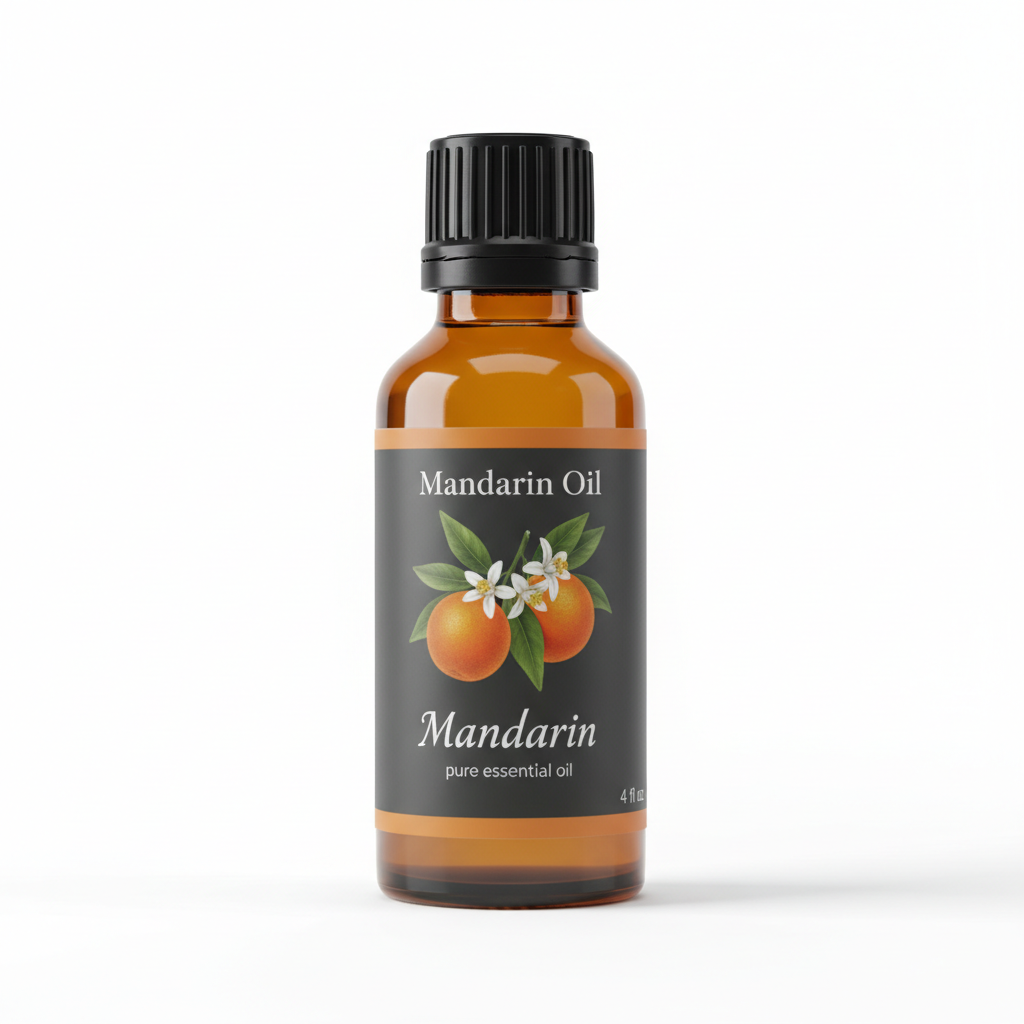
Mandarin Essential Oil
Our own Mandarin Essential Oil, in sizes from 0.5 oz to bulk.
From $12.99
Shop Now →This comparison walks through the real distinctions: where each oil comes from, how each one smells, what you can expect to pay, and which use cases each one handles best. No hype, just practical guidance grounded in sourcing reality and formulator experience.
Where They Come From: Origins and Extraction
Both oils are cold-pressed from citrus peel, which is important to understand upfront. Cold pressing (also called expression) captures the volatile aromatic compounds without heat distortion. The difference lies in the fruit itself.
Sweet orange oil (Citrus sinensis) is pressed from the peel of the common eating and juicing orange. It is one of the highest-volume essential oils produced globally, with major supply chains running through Brazil, the United States, Italy, and Spain. Because the orange industry is enormous, the essential oil emerges almost as a byproduct of juice production. Volume is high. Prices stay low.
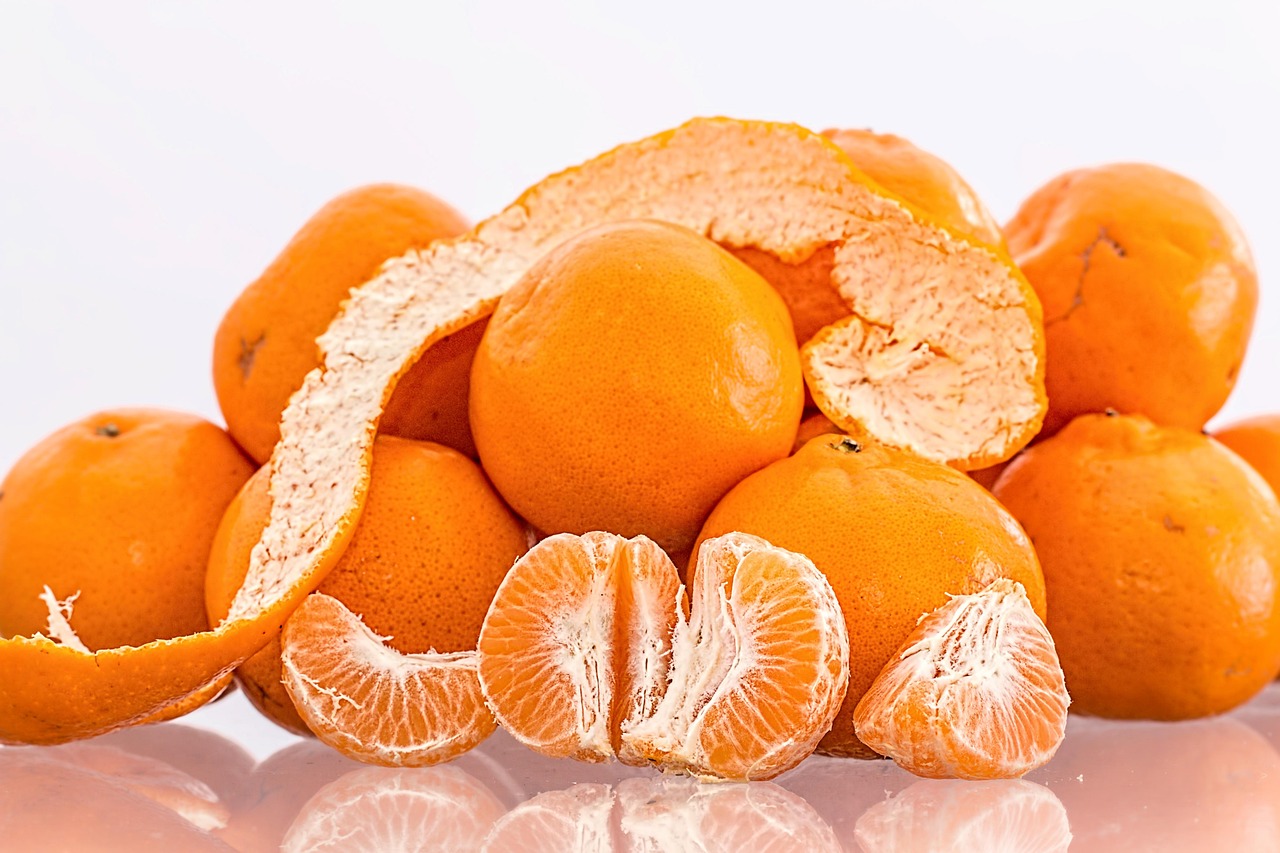
Mandarin oil (Citrus reticulata) is pressed from the peel of the mandarin fruit, a smaller and more delicate citrus with a looser peel. Production is concentrated in Sicily, Calabria, and parts of China, with smaller volumes coming from Spain and South America. The fruit is harvested and processed on a narrower seasonal window, and the yield per kilogram of peel is lower than orange. These factors combine to make mandarin a more specialized, and more expensive, material.
It is also worth noting that mandarin oil comes in three recognized color variants: green (unripe fruit, sharper and more herbaceous), yellow (mid-harvest, balanced), and red (fully ripe, richest and most honeyed). Sweet orange has no comparable color classification in commercial trade. If you want to explore mandarin sourcing in more depth, the ultimate quality and value guide to buying mandarin oil covers what to look for on a supplier certificate of analysis.
Scent Profile: The Most Important Difference
This is where the two oils diverge most clearly, and where many buyers make the wrong assumption.
Sweet orange oil smells like the inside of a freshly peeled navel orange. It is bright, cheerful, and immediately recognizable. The top note is clean and juicy, with a mild sweetness underneath. It is an uncomplicated scent, which is actually one of its strengths. It blends easily, reads as universally friendly, and fills a room without demanding attention.
Mandarin orange oil is a more layered experience. The opening is brighter and almost effervescent, with a floral quality that orange simply does not have. Underneath that brightness sits a warm, slightly honeyed sweetness, and in high-quality red mandarin especially, a faint woody or aldehydic nuance emerges as it dries down. Perfumers describe it as softer and more sophisticated than orange, and that description holds up in practice.
The difference matters for blending. In a diffuser blend, orange functions as a cheerful supporting note that amplifies other ingredients. Mandarin can carry a blend more gracefully on its own, contributing brightness without the slight harshness that orange can develop at high concentrations.
A useful shorthand: orange is the fruit you juice every morning; mandarin is the one you peel slowly and eat in segments. The scent follows the same logic.
Side-by-Side Comparison Table
| Attribute | Mandarin Oil | Sweet Orange Oil |
|---|---|---|
| Botanical name | Citrus reticulata | Citrus sinensis |
| Extraction method | Cold pressing (peel) | Cold pressing (peel) |
| Main producing regions | Sicily, Calabria, China, Spain | Brazil, USA, Italy, Spain |
| Scent character | Bright, floral, warm, honeyed | Bright, clean, juicy, cheerful |
| Complexity | High (especially red variety) | Moderate |
| Variants available | Green, yellow, red | Standard (some organic options) |
| Typical retail price (10 ml) | $8 to $18 depending on variant | $4 to $10 |
| Supply volume | Moderate, seasonal | Very high, consistent year-round |
| Phototoxicity risk | Low (expressed); check supplier data | Low (expressed) |
| Shelf life | 1 to 2 years (store away from light) | 1 to 2 years (store away from light) |
| Best for solo diffusing | Excellent | Good |
| Best for high-volume formulating | Good (budget allows) | Excellent |
| Skincare suitability | Well-regarded in cosmetics | Common in body care |
Price Compared: What You Actually Pay and Why
Sweet orange oil is one of the most affordable essential oils on the market. A 10 ml bottle from a reputable supplier will typically run between four and ten dollars. At wholesale volumes, it drops further. The reason is straightforward: orange oil production is tied to the global juice industry, and enormous quantities of peel are available for pressing every season.
Mandarin oil costs more, and for good reason. The supply chain is smaller, the seasonal window is tighter, and the fruit commands a higher per-unit price. For a quality 10 ml bottle of mandarin oil, expect to pay somewhere between eight and eighteen dollars depending on the variant and the supplier. Red mandarin from a certified Sicilian source sits at the higher end of that range.
For budget-conscious buyers, the price gap is real but not prohibitive at small quantities. Where it matters more is in high-volume cosmetic or candle production, where mandarin oil vs orange oil becomes a genuine formulation cost decision. Our mandarin oil price guide breaks down why the cost varies so much and what fair value looks like across suppliers.
One caution worth raising: unusually cheap mandarin oil should raise questions about adulteration. Because orange oil is so inexpensive and chemically similar, it is sometimes used to extend or substitute for mandarin in lower-grade products. A certificate of analysis with GC/MS data is the reliable way to verify what you have bought.
Pros and Cons: Mandarin Oil
Pros
- More complex, nuanced scent with floral and honeyed depth
- Three distinct variants (green, yellow, red) give formulators options
- Performs exceptionally well as a solo diffuser oil or top note in blends
- Well-regarded in fine fragrance and prestige skincare formulations
- Perceived as a premium ingredient, which can support higher-end product positioning
Cons
- Higher price point than orange at comparable volumes
- More susceptible to supply variability due to seasonal and regional factors
- Adulteration is a known industry issue; sourcing verification matters more here
- Fewer large-scale suppliers compared to orange oil
Pros and Cons: Sweet Orange Oil
Pros
- Highly affordable, especially at volume
- Widely available from many reputable suppliers year-round
- Universally pleasant scent with broad consumer appeal
- Blends easily without overpowering other notes
- Consistent supply makes it reliable for commercial production runs
Cons
- Less complex scent profile; can read as generic in premium applications
- No meaningful sub-variants the way mandarin offers green, yellow, and red
- At high concentrations, can develop a slightly sharp or synthetic-adjacent quality
- Less distinctive for product differentiation in a crowded market
Best For: Recommendations by Use Case
Diffuser Blending for a Calm Evening Atmosphere
Mandarin wins here. Its softer, rounder character fills a room without the bright sharpness that orange can carry when diffused at higher ratios. Red mandarin in particular creates a warm, inviting atmosphere that supports a gentle bedtime wind-down routine. Orange works perfectly well as a supporting player in a blend but tends to dominate less gracefully on its own.
High-Volume Candle or Soap Making
Orange is the practical choice. The price difference becomes significant when you are formulating at kilogram scales, and orange oil performs reliably in both hot and cold process applications. Mandarin is worth using when your product line is explicitly positioned as artisan or premium and the higher formulation cost fits your margin structure.
Skincare and Body Care Formulations
Both oils appear in cosmetic formulations, typically as fragrance contributors rather than active ingredients. Mandarin has a longer association with prestige skincare and is a recognized name in that space. For a mass-market body wash or lotion, orange makes economic sense. For a boutique facial oil or serum where ingredient storytelling matters, mandarin orange oil carries more narrative weight.
Perfumery and Fragrance Development
Mandarin is the professional perfumer's preference in most cases. Its floral nuance and honeyed drydown give it versatility across fragrance families that orange cannot match. Orange remains useful as a bright, clean top note in citrus-forward compositions, but mandarin is more interesting to work with.
Beginners Building a First Collection
Orange is the sensible starting point, purely on price. It lets you experiment with blending ratios and carrier oil dilutions without spending more than necessary while you are still learning. Once you have a feel for citrus oils in formulation, adding a bottle of red mandarin shows you clearly what the fuss is about.
If you are also comparing mandarin to its close relative, the mandarin vs tangerine oil comparison covers a distinction that trips up a lot of buyers.
The Mandarin Oil Comparison Verdict
These are not competing products so much as they are complementary ones with different strengths. The mandarin vs orange essential oil decision comes down to what your project actually needs.
Choose mandarin oil when scent complexity, prestige positioning, or solo performance matters. Its layered character earns its higher price in diffuser use, fine fragrance work, and any skincare application where the ingredient story supports a premium price point. If you are spending carefully and want to maximize value within the mandarin category, reading the quality and value guide before purchasing will help you avoid paying for adulterated product.
Choose orange oil when volume, accessibility, and budget are the primary factors. It is a genuinely good oil that performs reliably across a wide range of applications, and its lower cost makes it the right foundation for high-volume production or exploratory blending.
Many experienced formulators keep both on the shelf. They reach for orange when a blend needs a clean, cheerful citrus lift, and they reach for mandarin when they want something the nose lingers on. That distinction, once you experience it directly, makes the choice straightforward.
Safety Notes for Both Oils
Both expressed mandarin and expressed sweet orange oil carry low phototoxicity risk compared to steam-distilled or expressed bergamot, but it is always worth checking your supplier's safety data sheet for the specific lot you have purchased. For topical use in any formulation, dilute properly in a carrier oil before skin application. A standard starting point for most adult body care applications is 1 to 2 percent essential oil in the finished product, though the appropriate ratio varies by application and individual. Patch testing before broader use is a sensible precaution. Consult a qualified healthcare provider if you have any specific concerns before incorporating new ingredients into your routine.