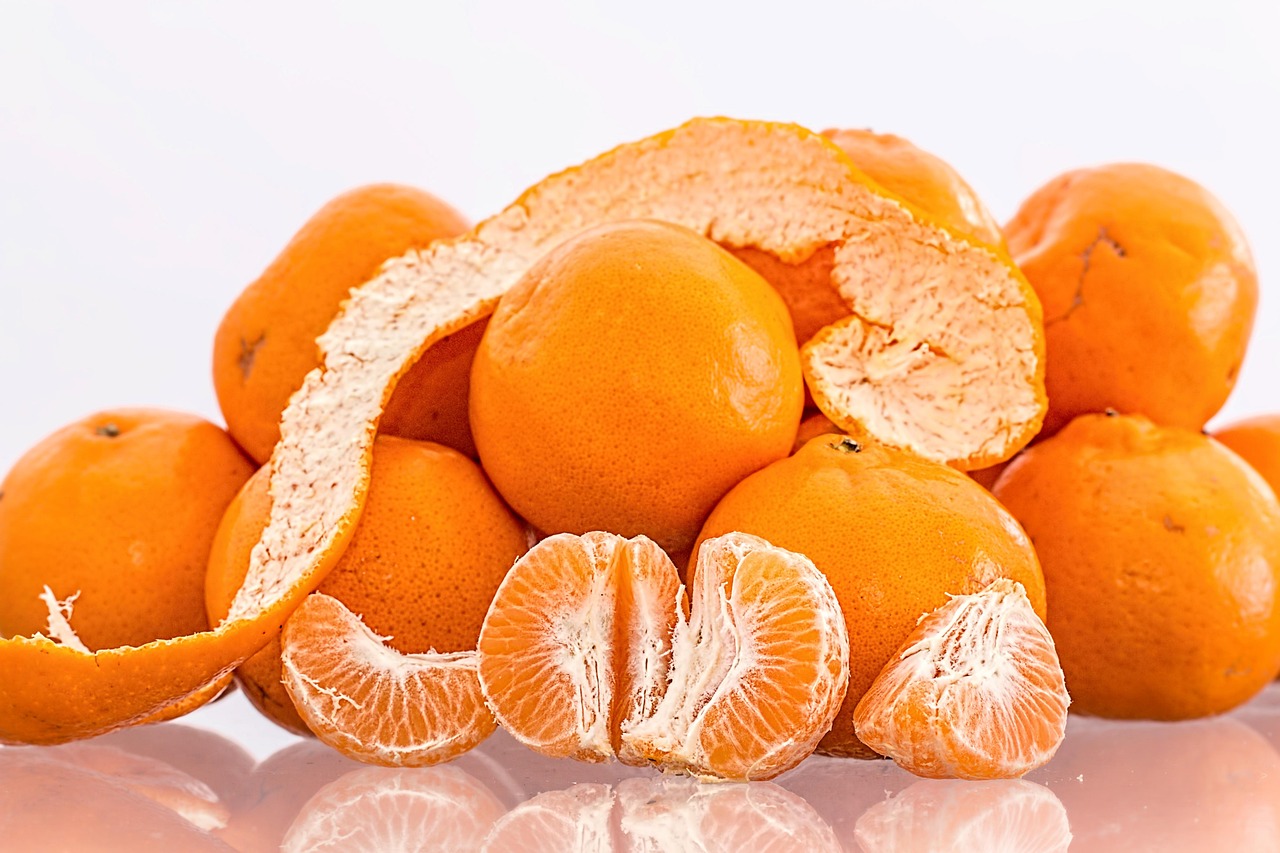
Mandarin Oil in Winter: Cozy Citrus Blends for the Holiday Season
Citrus in winter feels like a small rebellion against the cold. While the season leans toward warming spices and deep balsamic notes, mandarin oil has a quiet way of threading through all of it: bright without being sharp, sweet without tipping into cloying. It is the ingredient that stops a holiday blend from smelling like a candle store and starts making it smell like an actual home.
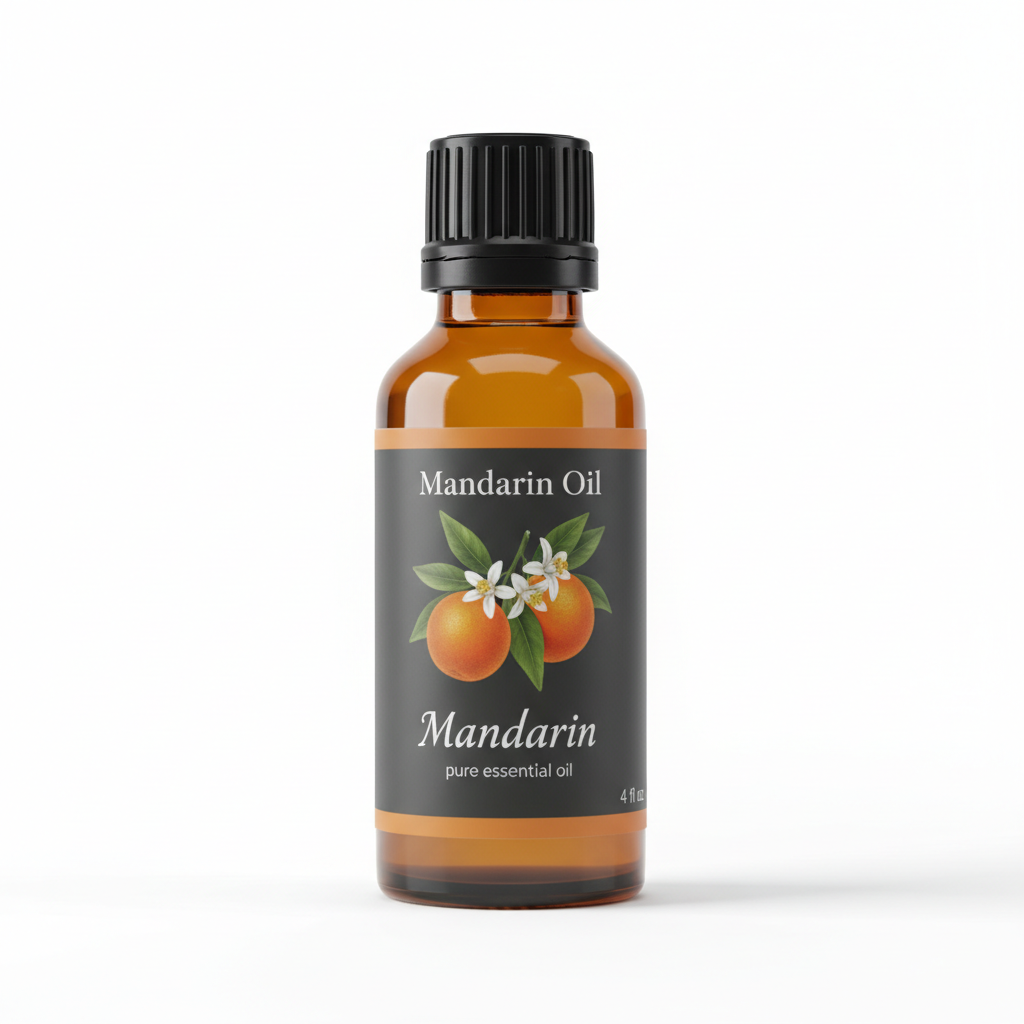
Mandarin Essential Oil
Our own Mandarin Essential Oil, in sizes from 0.5 oz to bulk.
From $12.99
Shop Now →If you have been building your essential oil and fragrance oil collection over the summer (perhaps exploring summer citrus blends with mandarin), you may already know how versatile this oil is across seasons. Winter simply asks different things of it. Instead of pairing it with fresh aquatics or light florals, the cold months invite it to nestle into spice, resin, and fruit. The results are genuinely beautiful.
This guide walks through why mandarin oil earns a place in your winter routine, how to build holiday diffuser blends around it, and where cranberry mandarin fragrance oil fits into the picture.
Why Mandarin Oil Works So Well in Winter
Mandarin essential oil (expressed from the peel of Citrus reticulata) has a softer, rounder character than lemon or grapefruit. It carries natural aldehyde compounds and methyl anthranilate that give it a slightly floral, almost candy-like quality alongside its citrus brightness. That softness is exactly what makes it blend so naturally with the richer notes that dominate winter fragrance: cinnamon, clove, frankincense, cedarwood, and berry accords.
From a purely practical standpoint, mandarin oil is also one of the more affordable citrus oils to keep stocked. Cold-pressing citrus peel is a relatively efficient process compared to steam distillation, and mandarin orchards in Sicily, Spain, and China produce reliably each year. You can use it generously in diffuser blends without watching the bottle drain with anxiety.
One note on shelf life: citrus oils oxidize faster than most. A bottle opened in October should ideally be used up or assessed for freshness by the following spring. Storing it in a cool, dark place (a drawer away from the radiator, not the cabinet above the stove) slows that process considerably.
Understanding Cranberry Mandarin Fragrance Oil
You will see cranberry mandarin fragrance oil featured prominently in seasonal collections, and it deserves a closer look. Fragrance oils are distinct from essential oils. They are blended aromatic compositions that may combine both natural isolates and synthetic aroma chemicals, designed to deliver a specific scent profile with consistency and stability. Cranberry itself has no commercially viable essential oil (the berries do not yield an extractable volatile oil in meaningful quantities), so any cranberry scent you encounter is a fragrance oil creation.
That is not a shortcoming. It is simply how it works. A well-formulated cranberry mandarin fragrance oil captures the tart, jammy quality of the berry and layers it with the brightness of citrus peel. The best versions also carry a slight warmth underneath, which makes them genuinely versatile for winter use.
When shopping for cranberry mandarin fragrance oil, look for suppliers who share their IFRA compliance documentation. IFRA (the International Fragrance Association) sets usage rate guidelines for different applications: leave-on skin products, rinse-off products, candles, and diffuser use all have different parameters. A reputable supplier will list the appropriate usage rate for your intended purpose on the product page.
For diffuser use, most fragrance oils perform well at around 10 to 20 percent of the water volume, though you should always follow the specific guidance for the oil you purchase. For candle making, wick choice and fragrance load interact in ways that take testing to get right.
Holiday Diffuser Blends Built Around Mandarin
These blends use essential oils unless noted. Drop counts are calibrated for a standard 100 ml ultrasonic diffuser. Scale proportionally for larger units.
Blend 1: The Clementine Hearth
This one evokes a fireplace room with a bowl of citrus fruit on the table.
- 4 drops mandarin essential oil
- 2 drops cedarwood (Virginian or Atlas)
- 2 drops sweet orange essential oil
- 1 drop cinnamon leaf essential oil (not bark: bark is harsher and more likely to irritate)
Cinnamon leaf essential oil contains eugenol and should be used conservatively in diffuser blends. One drop in a 100 ml diffuser is sufficient. Do not increase it hoping for a stronger effect: you will likely end up with a sharp, almost medicinal quality rather than a cozy one.
Blend 2: Winter Grove
Cleaner and more resinous. A good choice for the first few weeks of December before the full holiday intensity sets in.
- 4 drops mandarin essential oil
- 3 drops Scots pine or fir needle essential oil
- 2 drops frankincense (Boswellia carterii or sacra)
- 1 drop cardamom essential oil
Frankincense slows down how quickly the mandarin top note disperses, which gives the blend staying power in a room. The cardamom adds a gentle spice that reads as warm rather than sharp.
Blend 3: Cranberry Mandarin Fireside
This blend incorporates cranberry mandarin fragrance oil as the centerpiece, supported by essential oils for depth. Since fragrance oils vary between suppliers, consider the 8 to 10 drop count as a starting point and adjust based on how your specific oil performs.
- 8 to 10 drops cranberry mandarin fragrance oil
- 2 drops black pepper essential oil
- 1 drop vetiver essential oil
Black pepper adds a dry, peppery warmth that lifts the berry note without competing with it. Vetiver is dense and smoky: use it sparingly. Half a drop is a legitimate choice if your dropper allows it.
Blend 4: Spiced Mandarin Wreath
Designed for the diffuser during a holiday gathering. It fills a room without being polarizing.
- 5 drops mandarin essential oil
- 2 drops clove bud essential oil
- 2 drops bergamot essential oil
- 1 drop ginger essential oil
Clove bud (not stem or leaf) has a cleaner aromatic profile for diffuser purposes. Bergamot ties the citrus and spice together. This is a well-balanced winter citrus blend that works as well in a kitchen during baking as it does in a living room.
Seasonal Variations: Adjusting Blends Through the Winter
Early winter (late November into early December) tends to welcome brighter, fruitier profiles. Lean into the citrus-forward blends and hold the heavier resins and woods in reserve.
Mid-winter holiday weeks call for the richest, most layered blends. This is the moment for cranberry mandarin fragrance oil, frankincense, and cedarwood combinations. People associate depth and warmth with celebration, and your diffuser blends can reflect that.
Late December into January shifts again. The decorations come down, and there is often a collective desire for something quieter and cleaner. Mandarin oil pairs well with eucalyptus and lavender during this period: the citrus keeps it from feeling clinical, and the blend supports the sense of a fresh start without any of the seasonal weight.
Beyond the Diffuser: Other Winter Uses
Holiday diffuser blends get most of the attention, but mandarin oil moves through a winter home in other ways too.
Simmering Pots
A small saucepan of water on the stovetop with mandarin peel (fresh or dried), a cinnamon stick, and a few cloves is a traditional approach that predates essential oil diffusers by centuries. You can add 3 to 4 drops of mandarin essential oil toward the end to reinforce the citrus note as the peel's natural oils have largely evaporated. Keep the heat low and top up the water frequently.
Linen and Room Sprays
A simple room spray can be made with distilled water, a small amount of unscented alcohol (such as perfumer's alcohol or high-proof vodka) as an emulsifier, and your chosen blend. A general starting ratio is 10 to 15 drops of essential oil or fragrance oil per 100 ml of liquid, with roughly 20 percent alcohol. Always shake before each use, as water and oil separate.
For bedding and pillowcases, a lighter touch is appropriate. The Clementine Hearth blend above works well in a linen spray for a bedroom wind-down routine. For more ideas on using mandarin oil through your home, the complete guide to using mandarin essential oil at home covers rooms, ratios, and methods in much more detail.
Skin-Focused Winter Rituals
Cold air and indoor heating tend to make skin feel tight and dull through the winter months. Mandarin oil is among the gentler citrus oils for skin use, but it still requires proper dilution. A 1 percent dilution (roughly 6 drops per 30 ml of carrier oil) is a reasonable starting point for a body oil. For facial use, consult our guide on using mandarin essential oil for skin, which addresses dilution rates, carrier oil pairings, and patch testing in full.
One consideration specific to winter: cold-pressed citrus oils carry some potential for phototoxicity, meaning they may increase skin sensitivity to UV light. In the shorter, darker days of winter this is less of a concern than in summer, but if you are using a mandarin-infused body oil before time outdoors (skiing, winter walks), apply it to areas that will be covered by clothing or allow several hours before sun exposure.
Sourcing and Quality Notes for Winter Shopping
The winter holiday season brings a surge of seasonal fragrance products to market, and quality varies considerably. A few things worth looking for:
- Botanical origin: Mandarin essential oil from Sicily is considered a quality benchmark by many in the industry. Sicilian red mandarin has a particularly rich, complex peel character. It costs more than Chinese-origin mandarin oil, and both have legitimate uses, but knowing what you are buying matters.
- GC/MS testing: For essential oils, suppliers who share gas chromatography and mass spectrometry (GC/MS) reports give you visibility into what is actually in the bottle. This is the standard quality verification method in the industry.
- IFRA compliance for fragrance oils: As mentioned earlier, any cranberry mandarin fragrance oil you purchase for skin or candle use should come with IFRA compliance data. If a supplier cannot provide this, look elsewhere.
- Packaging: Citrus essential oils should come in dark glass (amber or cobalt). Clear glass bottles are a red flag for a product that has not been stored well or is being sold by someone who does not understand citrus oil shelf life.
A Note on Blend Storage
If you are making larger batches of a winter citrus blend to use through the season or give as gifts, store the mixture in a dark glass bottle with a tight cap, away from heat. Label it with the date you made it. Citrus-forward blends are best used within three to six months of blending, and sooner if the original mandarin oil was already open for some time before you used it.
Pre-made blends given as gifts are a thoughtful, personal option. A small amber rollerball bottle of a mandarin and cedarwood blend, or a 10 ml bottle of the Winter Grove diffuser blend above, makes a genuinely useful gift for anyone who diffuses at home. Include a small card with the suggested drop count and a note about keeping it away from heat and light.
Getting the Most Out of the Season
Mandarin oil has a particular talent for making a space feel inhabited and warm without any effort at all. A few drops in the diffuser before guests arrive, a simmering pot on the stovetop during an afternoon of wrapping presents, a linen spray on the guest room bed: none of these take more than a minute, and each one does something meaningful to the atmosphere of a winter home.
The holiday season passes quickly. Mandarin oil, at its best, is one of the simplest ways to make it smell the way it should. Stock the bottle, build a few blends, and enjoy every cold week of it.