
How to Store Mandarin Oil: Shelf Life, Bottles, and Keeping Citrus Fresh
Mandarin oil is one of the more delicate members of the citrus family. Its bright, honeyed top notes fade faster than heavier base oils, and its chemical makeup makes it genuinely sensitive to the conditions in your home. Buy a beautiful bottle of cold-pressed mandarin, store it carelessly, and within months you may be left with something that smells flat, slightly soapy, or simply wrong.
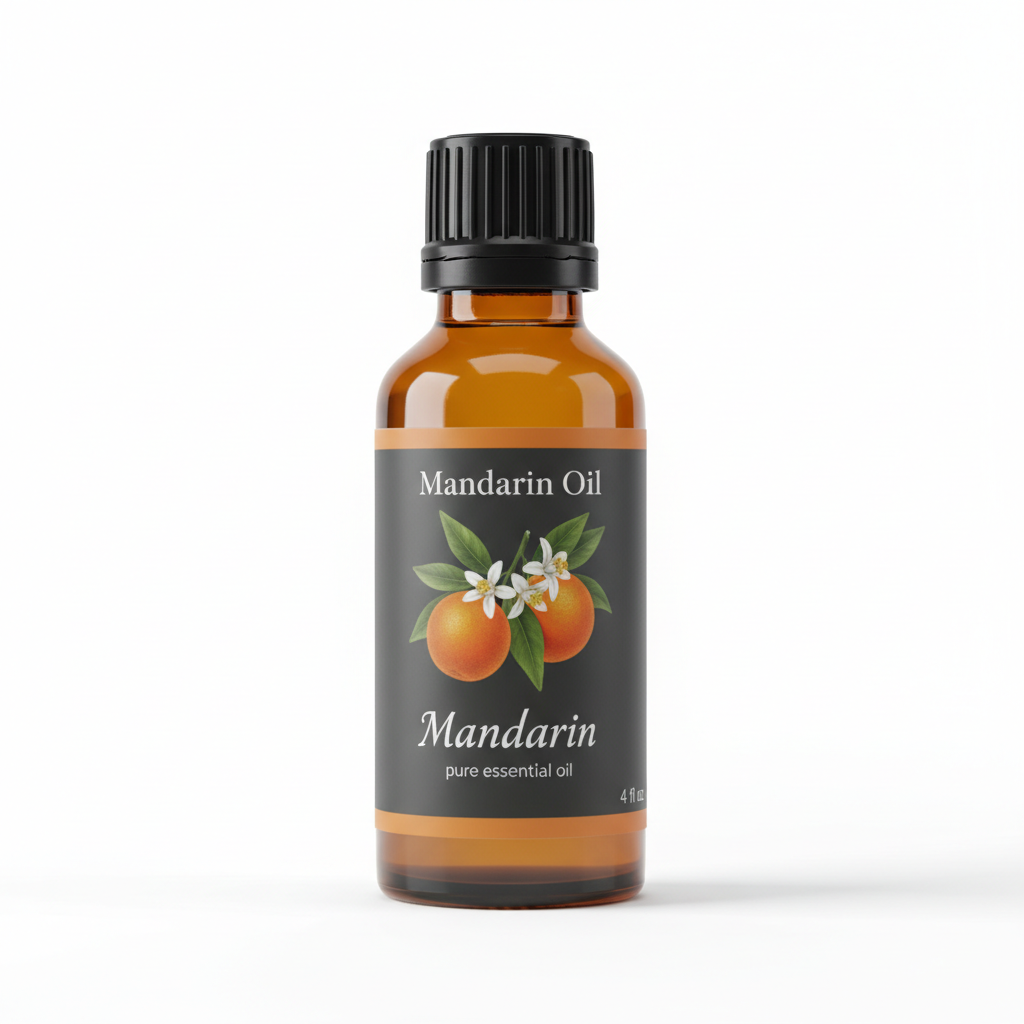
Mandarin Essential Oil
Our own Mandarin Essential Oil, in sizes from 0.5 oz to bulk.
From $12.99
Shop Now →The good news: proper essential oil storage is straightforward once you understand what actually damages citrus oils. This guide walks through everything you need, step by step, so your mandarin oil stays vibrant for as long as possible.
If you are new to this oil and want a broader introduction before diving into storage, start with our complete guide to mandarin oil. And if you are curious about the fruit's long journey from imperial Chinese orchards to modern perfumery, the history of the mandarin is worth a read.
Understanding Mandarin Oil Shelf Life
Most cold-pressed mandarin oil has a shelf life of roughly one to two years when stored correctly. Some sources cite up to three years for steam-distilled versions, which have a slightly different chemical profile. Cold-pressed oil retains more of the peel's natural wax compounds and aromatic top notes, but those same compounds oxidize relatively quickly when exposed to air, light, or heat.
How do you know when mandarin oil has turned? Oxidized citrus oil typically smells sharper, more solvent-like, or simply muted compared to a fresh bottle. The color may also deepen. An oil that has gone off is not worth using in skin-care blends, since oxidized essential oils are more likely to cause irritation on contact with skin.
A practical note on batch dates: Quality suppliers print a batch or distillation date on the label, not just an expiry date. That date tells you when the oil was actually produced. Always check it before purchasing, especially when buying online where stock may sit in a warehouse for months before it reaches you.
What You Will Need
- Dark glass bottles (amber or cobalt blue, 5 ml to 30 ml sizes)
- Orifice reducer caps or dropper inserts
- A cool, dark storage location (a drawer, cabinet, or dedicated box)
- Refrigerator or wine cooler (optional but recommended for long-term storage)
- Labels with purchase or open dates written on them
- A small funnel or pipette for transferring oil between bottles (if decanting)
- Nitrogen gas spray (optional, for advanced preservation)
You do not need expensive equipment. The basics, a dark bottle, a cool shelf, and a habit of keeping lids tight, will get you most of the way there.
Step-by-Step: How to Store Mandarin Oil Properly
Step 1: Check the Bottle It Came In
Many reputable suppliers already bottle mandarin oil in dark amber glass. If yours arrived in a clear glass or plastic bottle, transfer it as soon as possible. Plastic is porous: it absorbs aromatic compounds over time and can leach into the oil itself. Clear glass offers no UV protection, and even indirect light degrades citrus oils faster than most people expect.
Choose a bottle that is roughly the right size for the volume you have. A 5 ml oil rattling around in a 30 ml bottle has too much air space above the liquid. That air accelerates oxidation every time you open the lid.
Step 2: Use the Right Cap and Closure
A standard screw cap is fine for storage, but an orifice reducer (the small plastic insert that controls the flow of drops) also reduces the amount of air entering the bottle each time you open it. This is a small thing that adds up over dozens of uses.
Make sure the cap is tight after every single use. It sounds obvious, but a loosely closed bottle left on a bathroom counter for a week loses noticeable aroma and volume to evaporation. Mandarin oil is particularly volatile, meaning it evaporates faster than thicker oils like sandalwood or patchouli.
Step 3: Keep It Away from Heat
The ideal storage temperature for mandarin oil is between 50°F and 65°F (10°C to 18°C). Room temperature in a cool interior room can work. What absolutely does not work: a bathroom cabinet near a hot shower, a kitchen shelf above the stove, a car glove box, or a windowsill.
Heat speeds up the chemical reactions that cause oxidation. Even a few degrees above the ideal range consistently, over months, meaningfully shortens mandarin oil shelf life.
Step 4: Block the Light
UV radiation is one of the primary culprits in citrus oil degradation. Dark glass helps, but if your storage area gets even indirect sunlight, consider an additional layer of protection. A small wooden box, an opaque drawer, or a dedicated essential oil case all work well. Some enthusiasts wrap individual bottles in black felt pouches. That is probably more effort than most people need, but a closed drawer costs nothing and works just as well.
Step 5: Minimize Air Exposure
Every time you open a bottle, oxygen enters. Over time, those small exposures accumulate. Here are a few practical ways to reduce them:
- Decant your main supply into a small working bottle. Keep the bulk of your oil sealed and only open the small bottle day to day.
- If you have purchased a large quantity, divide it into several smaller bottles immediately and seal the ones you are not actively using.
- For long-term storage, some serious collectors use a quick spray of nitrogen gas (sold in small canisters for wine preservation) into the bottle before sealing. Nitrogen displaces the oxygen without affecting the oil. This is optional and most home users will not need it, but it does extend shelf life noticeably.
Step 6: Consider Refrigeration for Long-Term Storage
If you have bought mandarin oil in bulk, or if you simply use it slowly, a small dedicated refrigerator or wine cooler is an excellent investment. Keep temperatures around 50°F to 55°F (10°C to 13°C). A regular kitchen fridge can work in a pinch, but the repeated temperature fluctuations from opening and closing the door are less than ideal. A wine cooler with a stable set temperature is better.
One important caveat: when you take cold-stored oil out for use, allow it to return to room temperature before opening the bottle. Condensation forming inside the bottle introduces moisture, which is not something you want in your oil.
Step 7: Label Everything
Write the purchase date and the date you first opened the bottle directly on the label or on a small sticker. This habit takes five seconds and saves a lot of guesswork. If you work with several bottles or different batches, add the supplier name and the batch number. When a particular batch smells especially good, you will want to know where it came from for your next order.
Common Mistakes to Avoid
| Mistake | Why It Matters | What to Do Instead |
|---|---|---|
| Storing on a sunny windowsill | UV light degrades the oil rapidly | Use a closed drawer or opaque box |
| Leaving the cap loose | Evaporation and oxidation accelerate | Tighten the cap immediately after each use |
| Using plastic or clear glass bottles | Plastic leaches; clear glass offers no UV protection | Transfer to dark amber or cobalt glass |
| Storing near heat sources | Heat speeds chemical breakdown | Choose a consistently cool location |
| Not tracking open dates | Hard to assess freshness without dates | Label every bottle on first use |
| Keeping oil in a large bottle with excess air space | More oxygen contact per use | Decant into smaller bottles as volume decreases |
How to Tell If Your Mandarin Oil Has Oxidized
Your nose is your most reliable tool. Fresh mandarin oil smells bright, gently sweet, and faintly floral. An oxidized oil smells flatter, sometimes with a sharper, almost turpentine-adjacent edge. It may also smell faintly of orange cleaning products rather than fresh citrus peel.
You can also observe the color. Fresh cold-pressed mandarin oil is typically pale yellow to golden. Significant darkening over time, especially if accompanied by an off smell, is a reliable indicator that the oil is past its best.
Do not use oxidized mandarin oil in skin-care blends or products intended for direct skin contact. It is fine to use in a diffuser if the scent is still pleasant enough, but check it carefully and when in doubt, replace it.
Getting the Most from a Fresh Bottle
Proper storage is only part of the picture. Sourcing a high-quality, genuinely fresh oil from the start makes a significant difference to everything that follows. Look for suppliers who share GC/MS (gas chromatography/mass spectrometry) test results, print distillation or pressing dates clearly, and who can tell you the country of origin and variety of mandarin used.
Sicilian cold-pressed mandarin, for example, often has a richer, more complex aroma profile than oils pressed from other regions. The differences between red, yellow, and green mandarin oil are also worth knowing before you buy. Our article on 20 bright ideas for using mandarin oil at home covers how those profile differences affect practical use in diffusing and skin-care routines.
A Note on Storage When Blending
Mandarin oil blended with a carrier oil, such as jojoba or sweet almond, has a shorter effective shelf life than the neat essential oil. Carrier oils have their own oxidation timelines, often 12 months or less for unrefined versions. Date your blended products carefully and store them with the same care you give neat essential oils: dark glass, cool temperatures, tight closures.
Pre-made blends stored in roller bottles are particularly vulnerable to air exposure from frequent opening. Keep roller bottles small (10 ml is a practical maximum) so you use them up within a reasonable timeframe rather than letting them sit for a year.
Quick Reference: Mandarin Oil Storage at a Glance
- Ideal temperature: 50°F to 65°F (10°C to 18°C)
- Best bottle type: Dark amber or cobalt blue glass with a tight cap and orifice reducer
- Light exposure: None. Store in a drawer, cabinet, or opaque box
- Shelf life (sealed): Up to 2 years for cold-pressed; up to 3 years for steam-distilled, when stored well
- Shelf life (opened): 12 to 18 months is a reasonable working estimate
- Refrigeration: Recommended for bulk storage; use a dedicated cooler if possible
- Signs of oxidation: Flat, sharp, or solvent-like scent; noticeable darkening
A little care at each step, choosing the right bottle, labeling consistently, and keeping heat and light out of the equation, makes the difference between an oil that performs beautifully for two years and one that disappoints after six months. Mandarin is worth the small effort. Its scent is genuinely one of the most uplifting in the citrus family, and it deserves storage that respects that quality.