Green, Red, and Yellow Mandarin Oil: How Harvest Timing Changes the Aroma
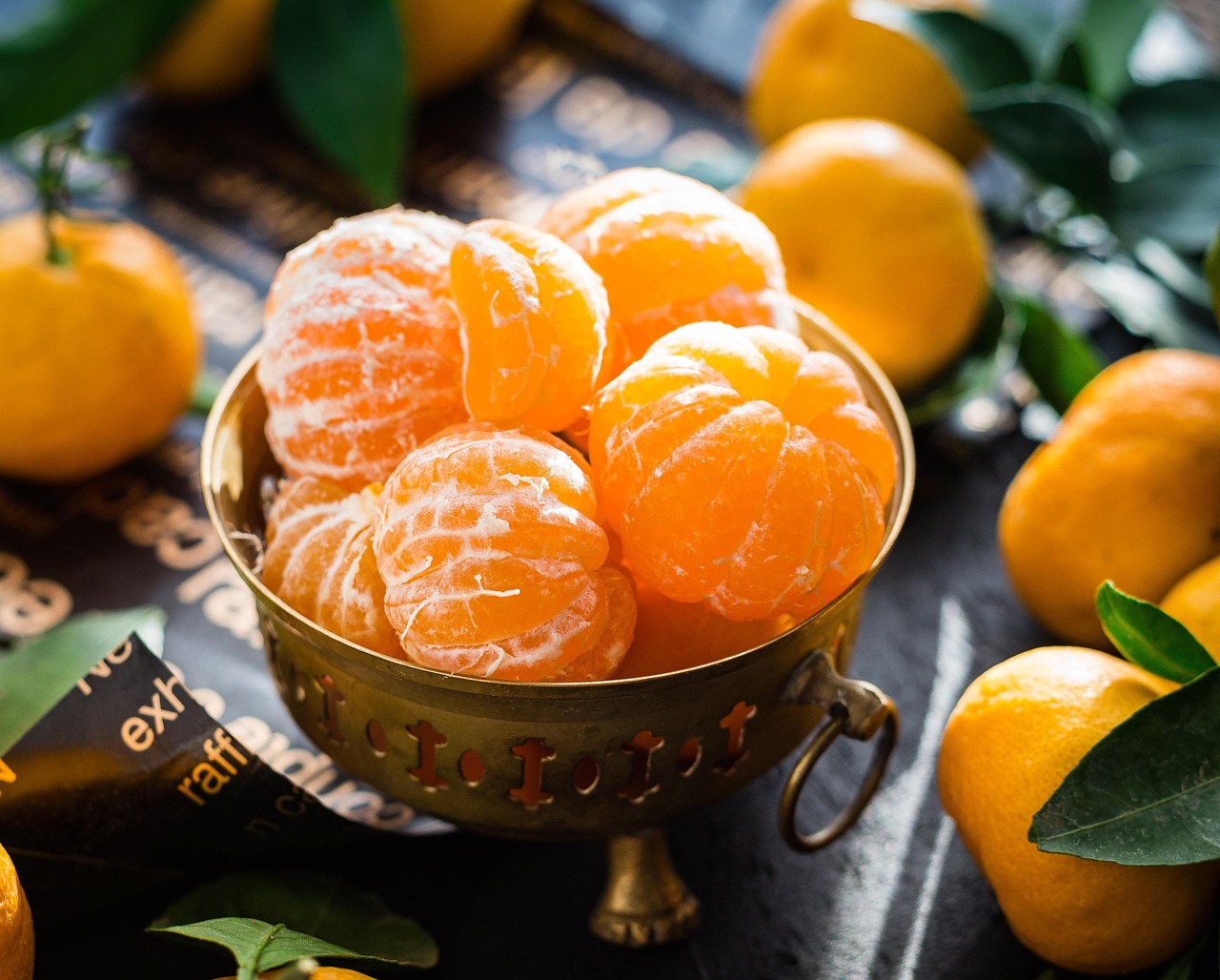
Pick a mandarin from a tree in September and again in December, and you might wonder whether you're holding fruit from the same species. The skin smells different. The color is different. Even the texture of the rind has changed. What's happening inside that peel is a slow biochemical shift that producers, perfumers, and quality-focused buyers have tracked for generations.
Mandarin Essential Oil
Our own Mandarin Essential Oil, in sizes from 0.5 oz to bulk.
From $12.99
Shop Now →Harvest timing is the single greatest variable in mandarin essential oil production. It determines the ratio of volatile compounds in the expressed oil, which in turn shapes everything you notice when you open a bottle: the brightness, the sweetness, the faint green edge, the depth. Understanding this timing helps you choose the right oil for a specific application and helps you recognize quality when you find it.
This deep-dive focuses on the chemistry behind the three main harvest types: green mandarin oil, red mandarin essential oil, and the yellow stage that bridges them. We'll look at key compounds, what current research observations suggest about their behavior, and what to look for when sourcing each one.
The Three Harvest Stages: A Quick Orientation
Mandarin oil comes from cold-pressing or expression of the outer rind, the flavedo. Unlike steam-distilled oils, expressed citrus oils retain a broader range of volatile and semi-volatile compounds, which is part of why the stage of ripeness at pressing matters so much.
- Green mandarin oil is pressed from unripe fruit, typically harvested in late summer to early autumn in the Northern Hemisphere (roughly August through early October in Sicily and Calabria, the two primary Italian growing regions). The rind is still firm, the color ranges from deep green to pale yellow-green, and the oil yield per kilogram of fruit tends to be lower than at later stages.
- Yellow mandarin essential oil comes from fruit harvested in mid-season, often October through November. The skin has begun to change color but the fruit hasn't fully ripened. This stage is sometimes called "turning" and produces an oil considered a middle ground in both scent profile and chemistry.
- Red mandarin essential oil is pressed from fully ripe fruit, harvested from November through January. The deep orange-red color of the rind signals full maturity. Oil yields are generally higher at this stage, and the scent is noticeably rounder and sweeter.
The same botanical species, Citrus reticulata Blanco (and related cultivars), produces all three. Geography, cultivar selection, and year-to-year weather patterns all introduce variation, but the harvest window remains the dominant driver of aromatic character.
Chemical Composition: What Changes and Why
Mandarin oil is dominated by monoterpene hydrocarbons. Across all three harvest stages, limonene typically accounts for somewhere between 65 and 75 percent of total composition, sometimes higher. That figure alone doesn't tell you much about why the oils smell so different. The interesting shifts happen in the minor constituents.
Gamma-Terpinene: The Key Differentiator
Gamma-terpinene is arguably the most discussed compound when chemists compare harvest-stage mandarin oils. In green mandarin essential oil, gamma-terpinene concentrations are consistently observed to be higher, sometimes ranging from 15 to 22 percent of the total volatile fraction, depending on cultivar and origin. Research published in the Journal of Agricultural and Food Chemistry and in Italian agronomic literature has repeatedly noted this pattern across Sicilian and Calabrian harvests.
As fruit ripens, gamma-terpinene levels tend to decline. In fully ripe red mandarin essential oil, the same compound often falls to somewhere between 6 and 14 percent. This shift is significant because gamma-terpinene carries a distinctly fresh, slightly herbal, almost piney quality. Its higher presence in early-harvest oil is a primary reason green mandarin smells sharper and more complex.
Methyl N-Methyl Anthranilate: The Sweet Signal
Methyl N-methyl anthranilate (MMNA) is a nitrogen-containing ester that appears in much lower concentrations than limonene or gamma-terpinene, but it punches far above its weight in terms of aromatic impact. It contributes a characteristic grape-like, floral-sweet note that is strongly associated with ripe mandarin.
Research observations suggest MMNA accumulates as the fruit matures. Green mandarin oil typically contains very little, sometimes below detectable thresholds or as low as 0.1 to 0.3 percent. Red mandarin essential oil can contain anywhere from 0.5 to over 1 percent, a small absolute figure that nonetheless has a pronounced effect on the overall scent profile.
This is part of why red mandarin smells softer and more fruit-candy-like to most noses. The MMNA note can read almost like a gentle floral sweetness sitting underneath the citrus brightness.
Alpha-Terpinene, Terpinolene, and the Supporting Cast
Alpha-terpinene and terpinolene are present in smaller amounts but follow a similar directional pattern to gamma-terpinene: higher in green, lower in ripe. Together with gamma-terpinene, they form what chemists sometimes call the terpinene fraction. This fraction collectively gives green mandarin oil its distinctive lift and slightly resinous edge.
Linalool, a monoterpene alcohol, tends to be present at low levels across all stages but may show slight increases in mature fruit. Citronellal and decanal contribute delicate citrus-floral nuances, and both can shift in relative proportion across the harvest window, though research observations on their directional trends are more variable than those for gamma-terpinene and MMNA.
Thymol and Carvacrol: Trace Compounds Worth Noting
Some chromatographic analyses of green mandarin essential oil report trace amounts of thymol and carvacrol, phenolic compounds that carry distinctly herby, spice-adjacent notes. When present, they may contribute a subtle warmth to the overall profile. Their concentrations are typically too low to dominate, but they add textural interest to a well-sourced early-harvest oil.
Aroma Profiles: How the Chemistry Translates to Scent
For formulators and aromatics enthusiasts, the chemistry above translates into practical scent differences that matter when building a blend or selecting a single-note oil.
| Stage | Primary Aroma Character | Gamma-Terpinene (approx.) | MMNA (approx.) |
|---|---|---|---|
| Green mandarin | Sharp, green-citrus, slightly piney, complex top note | 15 to 22% | <0.3% |
| Yellow mandarin | Bright citrus, transitional, slightly floral with green edges | 10 to 16% | 0.2 to 0.6% |
| Red mandarin | Sweet, ripe, floral-citrus, softer and rounder | 6 to 14% | 0.5 to 1%+ |
The ranges above are approximations drawn from published GC/MS data and should be read as general guidance rather than fixed specifications. Cultivar, microclimate, soil, and processing speed after harvest all introduce variation within these ranges.
Research Observations: What Studies Have Noted
The scientific literature on harvest-stage mandarin oil is fairly specialized, much of it published in Italian, Spanish, and Brazilian food science and agricultural chemistry journals. Here is a summary of what research suggests, framed as observations rather than conclusions.
A study published in Flavour and Fragrance Journal compared multiple cold-pressed mandarin oils harvested across the full season and observed a consistent inverse relationship between fruit maturity index and gamma-terpinene concentration. The authors noted that this relationship was stable enough to potentially be used as a quality marker for harvest-stage identification in commercial batches.
Brazilian researchers analyzing Citrus reticulata cultivars at different ripeness stages observed similar monoterpene shifts and noted that the ratio of gamma-terpinene to limonene may offer a useful fingerprint for distinguishing early-harvest from late-harvest oils without requiring full GC/MS profiling.
Some research suggests that the oxidative stability of green mandarin oil may differ from ripe mandarin oil due to the higher terpene content, which is worth noting for storage and shelf-life purposes. Higher concentrations of reactive monoterpenes can mean faster oxidation if oils are stored improperly.
For more context on how these findings fit into broader mandarin oil research, see our mandarin essential oil FAQ, which addresses common sourcing and quality questions in plain language.
Safety Profile and Contraindications
Mandarin oil across all harvest stages is generally considered to have a favorable safety profile when used appropriately. The following points apply broadly, with notes where harvest stage introduces specific considerations.
Phototoxicity
Cold-pressed mandarin oil is sometimes listed as having low phototoxicity risk compared to other expressed citrus oils such as bergamot or lime. However, some analyses have detected furanocoumarins including bergapten in expressed mandarin oil, particularly from certain cultivars. Research suggestions on this point vary by cultivar and geographic origin, so caution is warranted.
If you are using any expressed (cold-pressed) mandarin oil in a leave-on skin application, avoid direct sun exposure on treated areas for at least 12 hours. Steam-distilled mandarin oils, which are also available commercially, are generally considered free of furanocoumarins, though they sacrifice some aromatic complexity in the process.
Skin Dilution
The International Fragrance Association (IFRA) and Robert Tisserand and Rodney Young's reference work, Essential Oil Safety, are the standard references for dilution guidance. For leave-on skin applications, a dilution of 0.5 to 1 percent in a suitable carrier oil is a commonly cited conservative starting point for most adults. Always conduct a patch test before wider application: apply a small amount of diluted oil to the inner forearm, cover, and observe for 24 hours.
Green mandarin essential oil's higher gamma-terpinene content is worth noting from a sensitivity standpoint. Gamma-terpinene can oxidize over time, and oxidized terpenes are a known source of skin sensitization reactions. This makes proper storage especially important for early-harvest oils.
Storage Recommendations
Store all mandarin oils in dark glass bottles, away from heat and light, with lids tightly closed. Refrigeration extends shelf life, particularly for green mandarin oil with its higher reactive terpene load. Most quality suppliers recommend using expressed mandarin oils within one to two years of distillation date, and sooner once opened.
Who Should Exercise Additional Caution
Citrus oils are generally not recommended for topical use on infants and very young children without specific guidance from a pediatrician or qualified aromatherapy practitioner. People with known citrus sensitivities should proceed carefully with patch testing. If you are pregnant, nursing, or managing any health condition, please consult a qualified healthcare provider before incorporating new essential oils into your routine.
Sourcing and Quality Indicators
The quality gap between a well-sourced, properly cold-pressed mandarin oil and a poorly sourced or adulterated one is significant. Here is what to look for.
Geographic Origin
Sicily (particularly the area around Palermo and the province of Catania) and Calabria in southern Italy are the most historically significant origins for high-quality mandarin oil, particularly for red mandarin essential oil. Sicilian red mandarin from the late harvest is widely referenced in perfumery literature as a benchmark for sweetness and depth.
Green mandarin essential oil of notable quality also comes from Spain (particularly the Valencia region), Brazil, and Argentina. Brazilian production has grown substantially and some suppliers offer well-characterized early-harvest oils with transparent GC/MS documentation.
GC/MS Reports
A reputable supplier should be able to provide a gas chromatography/mass spectrometry (GC/MS) report for each batch. For harvest-stage verification specifically, look at the gamma-terpinene percentage. An oil labeled "green mandarin" with a gamma-terpinene figure below 10 percent should prompt questions. An oil labeled "red mandarin" with gamma-terpinene above 20 percent is similarly worth scrutinizing.
Also check for limonene within the expected range (roughly 65 to 75 percent), the presence of MMNA (expected to be higher in red mandarin), and the absence of synthetic adulterants that sometimes appear in lower-quality batches, including synthetic limonene or added terpineol.
Distillation Method and Date
Cold expression (also called cold-pressing or machine abrasion) is the standard method for mandarin oil and preserves the most complete aromatic profile. Steam-distilled mandarin oil exists and has legitimate uses, particularly in applications where phototoxicity concern is primary, but it has a noticeably different and typically less complex scent.
Always look for a batch production or distillation date on the supplier's documentation. Freshness matters more for green mandarin oil than for most other essential oils due to its oxidative sensitivity.
Smell Before You Commit
No amount of paperwork replaces your nose. A well-sourced green mandarin essential oil should smell genuinely green and bright, with a slight piney complexity underneath the citrus lift. It should not smell flat, solventy, or overly sweet. A well-sourced red mandarin should be warm and rounded, with that characteristic grape-like softness from the MMNA fraction. If it smells thin or primarily of limonene with little complexity, the oil may be of lower quality or the fruit was processed too long after harvest.
For a broader look at how mandarin oil fits into daily routines and what makes each type suitable for different applications, visit our article on mandarin oil in everyday wellness routines.
Choosing Between the Three for Your Application
Each harvest stage has a natural home in both aromatic and cosmetic formulation.
Green Mandarin Essential Oil in Formulation
The sharper, more complex top note of green mandarin oil makes it a useful choice when you want citrus brightness that lingers without reading as candy-sweet. Perfumers use it as a top note that opens with genuine complexity. In diffusion blends, it pairs well with vetiver, cedarwood, and other base notes that would otherwise be dominated by a sweeter citrus. In skincare formulations where a fresh, slightly herbal citrus note is desired, green mandarin can work well in serums and face mists (always at appropriate dilution and with phototoxicity precautions).
Yellow Mandarin in Formulation
Yellow mandarin is the most flexible of the three for general-purpose blending. Its transitional chemistry makes it accessible in a range of formulations without pushing strongly in either the green or the sweet direction. It tends to be a good starting point for people new to working with mandarin oil who want a characterful but not strongly opinionated citrus note.
Red Mandarin Essential Oil in Formulation
Red mandarin essential oil is the classic choice for soft, sweet citrus blends, candles, body butters, and diffuser blends designed for calm evening routines. Its MMNA-driven sweetness blends naturally with floral middle notes like neroli, ylang ylang, and rose. In skincare, its gentler aromatic profile can work well in richer leave-on formulations such as facial oils and balms, again with appropriate dilution and sun avoidance precautions.
"The harvest date is, in effect, a formulation decision made before the oil ever reaches a distillery. Understanding it is understanding the material." A perspective shared by multiple independent perfumers in supplier education materials from Italian producers.
A Note on Blended and Reconstituted Mandarin Oils
It is worth knowing that some commercial mandarin oils are blended across harvest stages to achieve price consistency or to standardize a house note. This is not inherently problematic, but it does mean the oil may not reflect the distinct character of any single harvest stage. If stage specificity matters for your application, ask your supplier explicitly whether the oil is single-harvest or blended, and request documentation.
Similarly, reconstituted or nature-identical mandarin fragrances built from isolated or synthetic components exist in the fragrance supply chain. These are not essential oils and will not behave the same way in formulation or carry the same compositional profile. Reading supplier documentation carefully and sourcing from companies with transparent traceability practices is the most reliable way to avoid this confusion.
The Bigger Picture
Harvest timing in mandarin oil production is a reminder that essential oils are agricultural products before they are anything else. The decisions made in an orchard in Sicily in October, from when to pick to how quickly the fruit reaches the press, show up directly in the bottle you open months later. That connection between land, season, and aromatic character is part of what makes working with high-quality single-origin oils genuinely interesting.
Green mandarin oil, yellow mandarin, and red mandarin essential oil are not simply marketing categories. They reflect measurable chemical differences rooted in the biology of fruit ripening, differences that perfumers, formulators, and informed buyers can learn to recognize and use with intention.