
Bulk and Wholesale Mandarin Oil: A Buyer's Guide for Makers and Small Brands
Sourcing wholesale mandarin oil is one of those decisions that quietly shapes everything downstream. The scent of your finished candle, the feel of your body oil, the customer who repurchases because the fragrance was exactly right: it all traces back to the quality of the raw material you chose. This guide is written for formulators, indie brand founders, and makers who are moving beyond hobby-scale purchasing and need to buy smarter, in larger quantities, with more confidence.
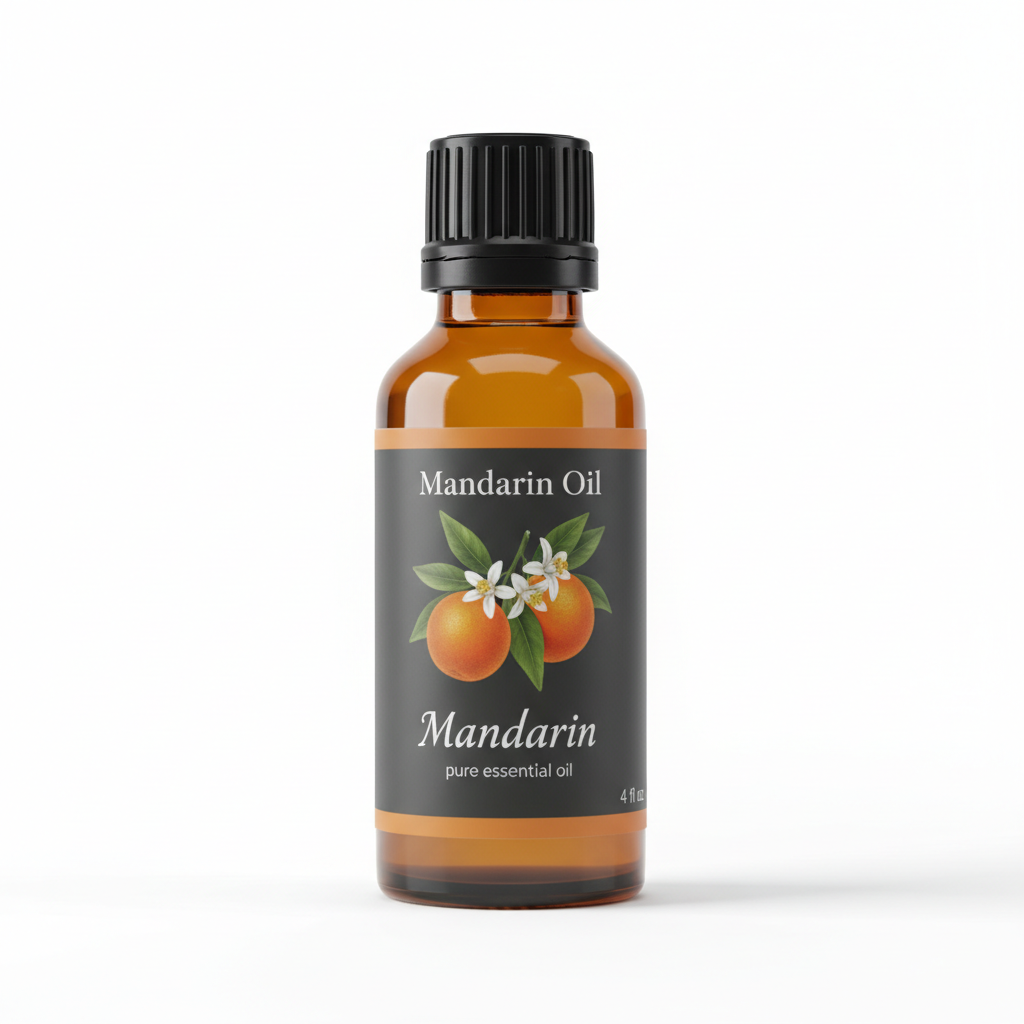
Mandarin Essential Oil
Our own Mandarin Essential Oil, in sizes from 0.5 oz to bulk.
From $12.99
Shop Now →Why Mandarin Oil Is a Smart Bulk Buy
Mandarin (Citrus reticulata) presses beautifully into a wide range of product categories. Candle makers reach for it because it blends without fighting other notes. Skincare formulators value its light, non-greasy profile in facial and body oils. Soap makers appreciate that cold-pressed mandarin holds reasonably well in finished bars when used at appropriate concentrations.
Bulk mandarin essential oil also stores well relative to many other citrus oils. Kept in a cool, dark environment in sealed containers, it typically maintains quality for 12 to 24 months. That longevity makes it practical to buy in larger volumes without worrying about rapid turnover.
Before you commit to any volume purchase, it helps to understand exactly what separates a quality oil from a mediocre one. Our complete guide to buying mandarin oil walks through the full decision-making framework if you want a deeper foundation.
Quality Indicators: What to Look For Before You Order
Botanical Clarity
A reputable mandarin oil supplier will name the species clearly. Citrus reticulata is the standard. Some listings blur the line between mandarin, tangerine, and clementine, either out of carelessness or convenience. These are related but distinct varieties with different aromatic profiles and chemical compositions. Know which one your formula calls for and hold suppliers to that standard.
Extraction Method
Cold-pressing the peel is the correct method for mandarin essential oil. It preserves the volatile top notes that give mandarin its characteristic brightness. Steam-distilled versions exist but produce a noticeably flatter scent. If a listing does not specify extraction method, ask. If a supplier cannot answer, that tells you something important.
Country of Origin
Italian mandarin oil, particularly from Sicily, carries a strong reputation in the perfumery and cosmetics supply world. Brazilian and Argentinian origins are common in the mid-tier market and can offer solid quality at lower price points. Chinese-origin mandarin oil is widely available and can range significantly in quality depending on the producer. Country of origin is one data point, not a verdict. Pair it with testing and documentation.
GC/MS Testing and Batch Documentation
This is non-negotiable for serious makers. A gas chromatography/mass spectrometry (GC/MS) report breaks down the chemical composition of a specific batch. It lets you verify that the oil matches expected mandarin chemistry, and it flags adulterants or synthetic additions. Any wholesale mandarin oil supplier worth working with will provide batch-specific GC/MS reports, either on request or automatically with each order.
Also ask about:
- Country of origin certificates
- Allergen declarations (useful for EU cosmetics compliance)
- Specific gravity and refractive index data
- Safety data sheets (SDS)
Scent Profile Assessment
Request a sample before committing to bulk. Mandarin oil should smell fresh, sweet, and distinctly citrusy with a soft, almost floral undertone. Flat, alcohol-forward, or oddly sharp notes are signs the oil has been cut or has aged poorly. Our guide on spotting pure mandarin oil before you pay covers sensory and practical testing methods in detail.
Key Features to Compare Across Suppliers
| Feature | What to Compare | Why It Matters |
|---|---|---|
| Minimum order quantity (MOQ) | From 1 kg to 25 kg or more | Affects cash flow and storage requirements |
| Batch consistency | Ask for multiple batch reports | Inconsistent batches disrupt your formula |
| Organic certification | USDA, EU Organic, or equivalent | Required for certified organic product lines |
| Container options | Aluminum drums, dark glass, HDPE jerricans | Packaging affects shelf life and handling |
| Lead time | Days vs. weeks, seasonal stock issues | Citrus is seasonal; supply can tighten |
| Sample policy | Free samples, paid samples, no samples | You should always test before bulk ordering |
| Documentation package | GC/MS, COO, allergen, SDS | Required for compliance and traceability |
Price Tiers: What Your Budget Gets You
Entry Level (Budget Sourcing)
Price range: roughly $20 to $35 per kilogram at high volumes, depending on origin and market conditions.
At this tier, you will typically find Chinese or Brazilian-origin mandarin oils from general commodity brokers. Documentation may be limited. GC/MS reports may be generic rather than batch-specific. Scent consistency can vary run to run. This tier is workable for applications where mandarin is a minor note in a complex blend, and where cost is the primary constraint.
The risk is that you may receive adulterated oil cut with synthetic limonene. That affects both scent quality and your ability to make accurate labeling claims.
Mid-Tier (Best Value for Most Makers)
Price range: roughly $40 to $70 per kilogram.
This is where most small and mid-sized brands land for good reason. Suppliers in this tier typically offer batch-specific GC/MS reports, named country of origin, reasonable MOQs (often 1 to 5 kg), and responsive customer service. Scent quality is consistent enough for leave-on skincare, fine fragrance blending, and candle production.
Brazilian and Italian-origin oils both appear at this price point. The better suppliers here also offer allergen declarations, which matter a great deal if you are selling into the EU market.
Premium and Certified Organic
Price range: $80 to $150 per kilogram and above.
Certified organic Italian mandarin from traceable estates. Full documentation packages. Some suppliers at this tier offer direct farm relationships with harvest date transparency. The scent is often noticeably richer and more complex. For brands positioning at the luxury end of the market, or for products where organic certification is a core claim, the premium is justified.
Note that certified organic bulk mandarin essential oil requires that your entire supply chain maintains appropriate certification if you want to carry the claim through to finished products. Verify this with your certifying body before ordering.
Red Flags to Avoid
Buying in bulk raises the stakes. A bad small order is a learning experience. A bad 10-kilogram order is a material problem. Watch for these warning signs:
- No GC/MS reports available. Any supplier unable to provide chemical documentation for a bulk order should not be on your shortlist.
- Vague botanical labeling. "Citrus oil" or "mandarin/tangerine blend" is not acceptable for a product you are labeling and selling.
- Prices that are dramatically below market. Mandarin oil has a cost floor tied to peel yield and processing. Prices well below the market range almost always indicate adulteration or misrepresentation.
- No sample option. Legitimate suppliers want you to test before you commit. Resistance to sample requests is a significant concern.
- Scent that does not match mandarin. If a sample smells flat, synthetic, or more like cheap orange cleaner than fresh citrus peel, trust your nose.
- Generic batch numbers repeated across orders. If the documentation never changes between your orders, the supplier is likely using a template report rather than actual batch testing.
- No clear return or dispute policy. Bulk purchases require some protection if the oil arrives damaged, off-spec, or mislabeled.
A note on fragrance oils: the wholesale market for mandarin oil includes both essential oils (cold-pressed from the peel) and synthetic fragrance oils labeled as mandarin. These are fundamentally different materials with different regulatory considerations and different performance profiles in formulas. Before you order, clarify which you are purchasing. Our article on mandarin essential oil versus mandarin fragrance oil breaks down the differences clearly.
Where to Buy Wholesale Mandarin Oil
Specialty Essential Oil Distributors
Companies focused specifically on essential oils tend to offer the best combination of documentation, scent quality, and knowledgeable customer service. Look for distributors who publish GC/MS reports publicly on their product pages, not just on request. In the US market, established players include Bulk Apothecary, Jedwards International, and New Directions Aromatics, among others. Each has different strengths in terms of origin selection, MOQs, and organic certification availability.
Direct Import and Broker Relationships
Brands doing significant volume sometimes work directly with importers or brokers who source from producing regions. This approach can reduce cost and increase origin transparency, but it requires more due diligence on your end and typically involves larger minimum commitments. It works well once you have established a reliable formula and consistent volume needs.
Online B2B Platforms
Platforms like Alibaba and Global Sources list many mandarin oil suppliers, including direct producers. The range of quality is very wide. Consider these as a sourcing starting point rather than a destination. Always request documentation and samples before any purchase. Read supplier verification details carefully.
Farmers Markets and Regional Producers
For genuinely small-scale brands, some regional distillers and producers sell directly at craft markets or through their own websites. This will not get you competitive bulk pricing, but it can offer exceptional traceability and relationship-based sourcing that aligns with certain brand stories.
Practical Steps Before Your First Bulk Order
- Define your volume needs for a 6-month period and work backward to determine your ideal order size.
- Request samples from at least three suppliers before selecting one.
- Evaluate each sample by scent, and ask for the accompanying GC/MS report.
- Confirm the documentation package your supplier will provide with each order.
- Place a small test order (1 to 2 kg) before committing to a full bulk purchase.
- Assess consistency: does the bulk order match the sample you approved?
- Establish a storage protocol. Citrus oils oxidize when exposed to heat, light, and air. Sealed containers in a cool, dark space are standard practice.
A Word on Seasonal Supply
Mandarin is a seasonal crop. Harvests typically run from late autumn through winter in the Northern Hemisphere. Supply is most abundant in the months following harvest. Pricing and availability can shift meaningfully at other times of year, particularly if a harvest season is affected by weather or regional production issues.
Smart brands plan ahead. If mandarin oil is central to your product line, consider building modest buffer stock before supply tightens. Discuss seasonal patterns openly with your mandarin oil supplier. A good supplier will give you honest lead-time guidance and flag upcoming supply constraints before they become your problem.
Final Checklist for Wholesale Buyers
- Confirmed botanical name: Citrus reticulata
- Confirmed extraction method: cold-pressed peel
- Country of origin documented
- Batch-specific GC/MS report obtained
- Sample tested and approved before bulk order
- MOQ and pricing confirmed in writing
- Storage containers and conditions in place
- Allergen and SDS documentation received
- Supplier return and dispute policy reviewed
Buying bulk mandarin essential oil well is mostly about doing the groundwork before you spend. Suppliers who welcome your questions, provide documentation without hesitation, and offer samples confidently are the ones worth building a relationship with. The oil itself should speak clearly: fresh, bright, and unmistakably mandarin.