How to Make a Solid Mandarin Perfume Balm: A Step-by-Step Recipe
A solid perfume balm is one of the simplest ways to carry a favorite scent with you without a glass bottle in your bag. This mandarin perfume balm recipe uses just a handful of pantry-friendly ingredients: beeswax, a carrier oil, and mandarin essential oil. The result is a small, portable tin of citrus-scented balm you can warm between your fingers and pat onto pulse points whenever you want a bright, sunny note nearby.
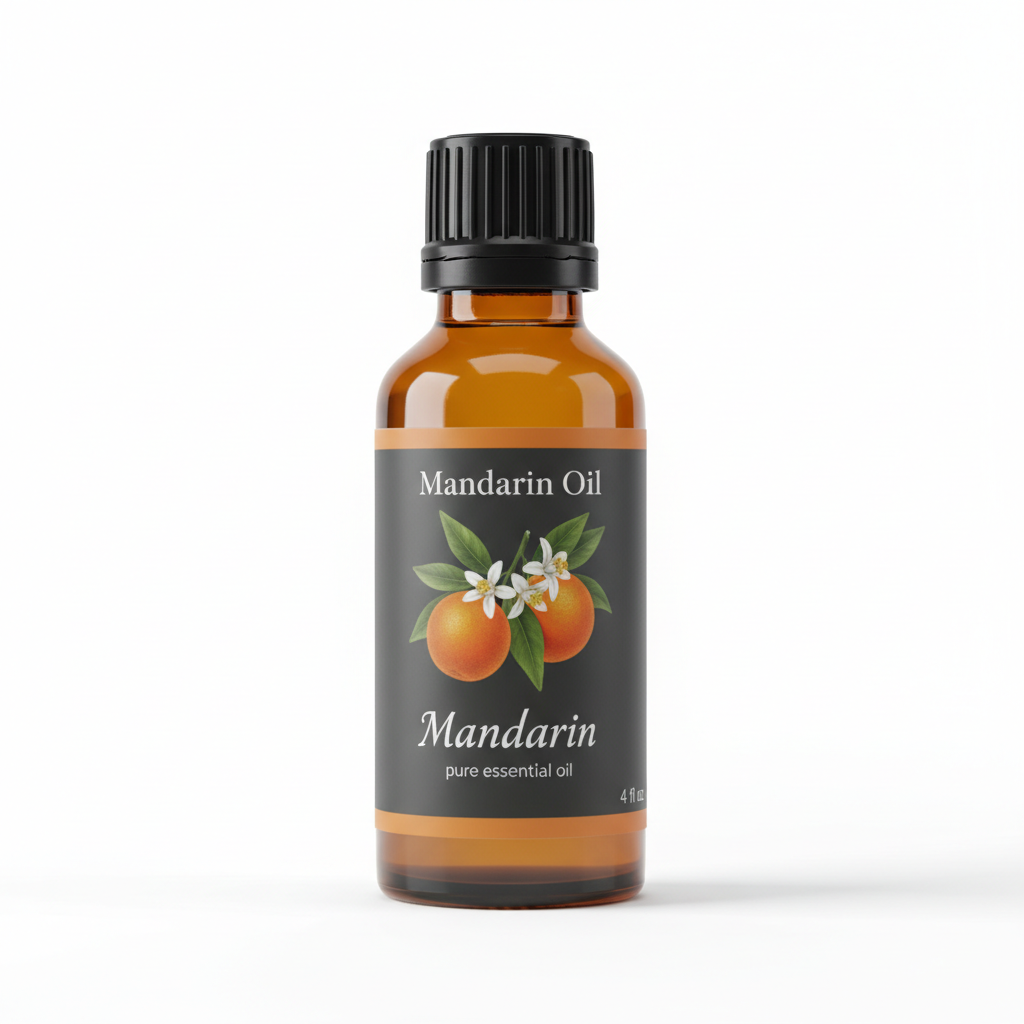
Mandarin Essential Oil
Our own Mandarin Essential Oil, in sizes from 0.5 oz to bulk.
From $10.99
Shop Now →Below we walk through exactly how to make solid perfume with essential oil at home, including ratios, tools, and the small missteps that trip people up the first time. If you're new to working with beeswax and oils together, this is a forgiving project to start with, since mandarin oil blends easily and the batch size is small enough that mistakes cost you very little.
Why Mandarin Oil Works Well in a Solid Perfume Balm
Mandarin essential oil is cold-pressed from the peel of the mandarin fruit, giving it a scent that is sweeter and softer than lemon or grapefruit, with a gentle floral undertone that becomes more noticeable once it's warmed against skin. It blends comfortably with woodsy and floral notes, which makes it a flexible base for a first solid perfume project. Because the scent is light rather than sharp, a beeswax perfume balm made with mandarin oil tends to read as fresh and unfussy rather than heavy, which is part of why it's a popular starting point for solid perfume DIY citrus blends.
Keep in mind that this balm is a cosmetic, aromatic product. It's made to be enjoyed for its scent, not for any medical purpose, and none of the steps below should be read as guidance for managing a health condition.
Materials and Ingredients Needed
This recipe makes roughly 2 ounces of solid perfume balm, enough to fill two to three small 0.5 oz tins with a bit left over. Scale the ratios up or down as needed, since the proportions are what matter, not the total volume.
- 1 tablespoon beeswax pellets (or grated beeswax block)
- 2 tablespoons carrier oil, such as jojoba, sweet almond, or fractionated coconut oil
- 1 teaspoon solid butter (optional), such as shea or cocoa butter, for a creamier texture
- 15 to 20 drops mandarin essential oil
- 5 to 8 drops of a complementary oil (optional), such as sweet orange, vanilla, or sandalwood
Tools You'll Need
- A small heatproof glass measuring cup or a clean glass jar
- A saucepan for a makeshift double boiler
- A stirring utensil (a wooden coffee stirrer or small spoon works fine)
- Two to three small metal or glass tins with lids (0.5 oz size is typical)
- A dropper or small pipette for measuring essential oil
- A kitchen scale (optional, but useful for consistency between batches)
Step-by-Step Instructions
Step 1: Set Up a Double Boiler
Fill a small saucepan with about an inch of water and bring it to a gentle simmer over low to medium heat. Place your heatproof glass measuring cup or jar inside the saucepan so it sits above the water without touching the bottom directly. This indirect heat method keeps the beeswax from scorching, which can happen fast if it hits direct heat.
Step 2: Melt the Beeswax
Add the beeswax pellets to the glass container and let them melt slowly, stirring occasionally. This usually takes 3 to 5 minutes depending on how much beeswax you're using. Resist the urge to raise the heat to speed things along. Beeswax melts at a relatively low temperature, and slow, even heat gives you better control over the final texture.
Step 3: Add the Carrier Oil and Butter
Once the beeswax is fully liquid, add your carrier oil and, if using, your solid butter. Stir until everything is combined into a single, clear liquid. If you're using shea or cocoa butter, give it a moment to fully melt into the mixture; small solid flecks left in the base will show up as a slightly grainy texture in the finished balm.
Step 4: Remove From Heat
Take the container off the double boiler and set it on a heatproof surface, like a folded towel or trivet. Let it sit for about a minute. This cooling window matters more than it might seem, since adding essential oil to a mixture that's still very hot can cause some of the more delicate aromatic compounds to evaporate off before the balm even sets, leaving you with a weaker scent than expected.
Step 5: Add the Mandarin Essential Oil
Once the mixture has cooled slightly but is still liquid, add your mandarin essential oil drop by drop, stirring as you go. Fifteen drops will give you a light, everyday scent; twenty will read as more noticeable. If you're layering in a second oil, such as sweet orange or vanilla, add those now as well, stirring gently to combine.
A safe general guideline for a leave-on skin product like this is to keep total essential oil content around 2 to 3 percent of the overall mixture, particularly for a balm intended for daily use. For a 2-ounce (about 4 tablespoon) batch, that works out to roughly 15 to 25 drops total across all essential oils combined. Going well beyond that doesn't make the scent last meaningfully longer and increases the chance of skin sensitivity.
Step 6: Test the Scent Strength
Before pouring, dip a cotton swab or the stirring utensil into the mixture, let it cool for about 15 seconds, and smell it. Solid perfume balm scents mellow noticeably once fully cooled, so what smells strong in liquid form will read as softer once it hardens. If it seems too faint at this stage, add a few more drops of mandarin oil, stir well, and test again.
Step 7: Pour Into Tins
Working quickly before the mixture starts to set, pour it into your prepared tins. A small funnel or the spout of a measuring cup makes this tidier, though a steady hand works fine for such a small batch. Fill each tin most of the way, leaving a small gap at the top.
Step 8: Let the Balm Set
Leave the tins uncovered and undisturbed at room temperature for at least 2 hours, or until fully solid. Avoid the refrigerator for this step; cooling beeswax too quickly can cause the surface to crack or develop an uneven, frosted look. Once solid, cap the tins and label them with the date and ingredients used.
Common Mistakes to Avoid
- Adding essential oil too early. Pouring it into a mixture that's still hot from the double boiler burns off some of the lighter aromatic notes, leaving a flatter scent.
- Using too little beeswax. A balm that stays soft or oily at room temperature usually needs a slightly higher beeswax ratio. Try increasing it by half a teaspoon and re-melting.
- Skipping the scent test. Because solid balms smell weaker once cooled, judging strength from the warm liquid alone leads to under-scented batches more often than not.
- Storing tins in direct sunlight or a hot car. Beeswax balms soften and can separate in heat above roughly 90°F (32°C), so a cool drawer or cabinet is a better home for them.
- Skipping a patch test. Even natural, plant-derived oils can be irritating to some people's skin. Always patch test a new balm on a small area, such as the inner forearm, and wait 24 hours before applying it more broadly.
Safety Notes for Citrus-Based Solid Perfume
Cold-pressed citrus oils, including mandarin, can increase skin sensitivity to sunlight for some people when applied undiluted or in higher concentrations. Mandarin oil is generally considered milder in this regard than oils like bergamot or lime, but it's still sensible to apply this balm to areas that won't see direct, prolonged sun exposure shortly after application, or to keep total concentration on the lower end of the range above.
Always patch test any new solid perfume balm before regular use, and avoid applying it to broken or irritated skin. If you are pregnant, nursing, or have known sensitivities to citrus oils, it's worth checking with a qualified healthcare provider before adding a new aromatic product to your routine. Keep finished balms and essential oils out of reach of children and pets.
Customizing Your Solid Perfume Balm
Once you're comfortable with the base recipe, mandarin oil is easy to build on. A few combinations worth trying:
- Mandarin and vanilla for a warmer, cozier profile
- Mandarin and sandalwood for a grounded, woodsy base note
- Mandarin and sweet orange for a brighter, more citrus-forward blend
- Mandarin and lavender for a softer, more floral finish
When blending, add your second oil in smaller increments than the mandarin oil itself, since it's easy for a supporting note to take over the whole scent. Start with 5 drops, test, and build from there.
What to Expect From Your Finished Balm
A well-made solid perfume balm should glide on smoothly when you run a finger across the surface, warming slightly from body heat as you apply it. The mandarin scent tends to be most noticeable in the first 20 to 30 minutes after application, then settles into a lighter, close-to-skin presence. Many people report enjoying it as a simple part of a morning routine, dabbed on wrists or behind the ears alongside other grooming products.
As with any personal fragrance product, how long the scent lasts and how it reads on your skin will vary from person to person, and this balm is intended purely for its aromatic and cosmetic qualities rather than any other purpose.
Storage and Shelf Life
Stored in a cool, dry place away from direct sunlight, a beeswax perfume balm mandarin oil recipe like this one typically holds its scent and texture well for 6 to 12 months. The beeswax and carrier oil act as natural preservatives to some degree, but citrus essential oils do oxidize gradually over time, which can shift the scent to something duller or slightly different from the original batch. If a batch starts to smell noticeably different or the texture separates, it's a good sign to mix up a fresh one rather than keep using it.
Label each tin with the date it was made so you can track how it ages, and consider making smaller batches more often rather than one large batch that sits for a year.
Final Thoughts
Making your own mandarin perfume balm is a low-cost, low-equipment project that gives you a genuinely useful, portable result. Once you've worked through the ratios once, the whole process takes well under half an hour from melting the wax to pouring the tins, and the same base recipe scales easily for gifts or for building out a small rotation of scents. Start with the basic mandarin version, get a feel for how the scent behaves once it's cooled and set, and branch out into blends from there.